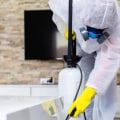
The commercial cleaning industry has emerged as a vital component of the modern economy, driven by an increasing awareness of hygiene and cleanliness in various sectors. As businesses strive to create safe and welcoming environments for employees and customers alike, the demand for professional cleaning services has surged. This trend is not merely a response to the recent global health crises but reflects a broader shift towards prioritising cleanliness in workplaces, educational institutions, healthcare facilities, and retail spaces. Consequently, starting a cleaning business focused on commercial cleaning presents an attractive opportunity for aspiring entrepreneurs.One of the most compelling reasons to consider entering the commercial cleaning sector is its profitability.
With relatively low startup costs compared to many other business ventures, individuals can establish a cleaning company with minimal financial risk. Essential expenses typically include cleaning supplies, transportation, and necessary licenses or insurance. Moreover, as businesses increasingly outsource their cleaning needs to specialised companies, the potential for steady income becomes apparent. This outsourcing trend allows cleaning businesses to scale operations efficiently, catering to a diverse range of clients from small offices to large corporate facilities.Furthermore, the flexibility inherent in running a cleaning business cannot be overstated.
Entrepreneurs can tailor their services to fit their schedules and client needs, making it an ideal option for those seeking work-life balance or additional income streams. By offering tailored packages or subscription services, cleaning businesses can foster long-term relationships with clients, ensuring consistent revenue while enhancing customer satisfaction. As the commercial landscape continues to evolve, the relevance of professional cleaning services will only grow, making now an opportune time to explore this lucrative venture.
Understanding the Demand for Commercial Cleaning Services
The demand for commercial cleaning services has seen a significant surge in recent years, driven by various factors that highlight the industry's potential for profitability. As businesses increasingly recognise the importance of maintaining a clean and hygienic environment, the need for professional cleaning services has become more pronounced.One of the primary drivers of this demand is the heightened awareness surrounding health and safety, particularly in the wake of global health crises.Companies are now more committed than ever to ensuring their workplaces are not only clean but also safe for employees and clients alike. This shift has led to an increase in the hiring of professional cleaning services, as businesses seek to comply with stringent health regulations.According to recent market research, the commercial cleaning industry is projected to grow at a compound annual growth rate (CAGR) of approximately 6% over the next five years. This growth is indicative of a robust market that offers ample opportunities for new entrants. The rise in demand can be attributed to several key trends:
- Increased Focus on Hygiene: The pandemic has shifted priorities, with businesses prioritising cleanliness as a core aspect of their operations.
- Outsourcing Cleaning Services: Many companies are opting to outsource their cleaning needs rather than employing in-house staff, allowing them to focus on their core business activities.
- Diverse Clientele: The commercial cleaning sector serves a wide range of industries, including healthcare, education, retail, and hospitality, each with unique cleaning requirements.
Businesses are increasingly looking for sustainable cleaning solutions that not only meet their hygiene standards but also align with their corporate social responsibility goals.In conclusion, the commercial cleaning industry presents a lucrative opportunity for entrepreneurs willing to invest in this growing market. With increasing demand driven by health concerns, outsourcing trends, and technological advancements, starting a commercial cleaning business can be a profitable venture that meets the evolving needs of various sectors.
Low Startup Costs and High Profit Margins
Starting a cleaning business is an appealing venture for many aspiring entrepreneurs, primarily due to the low startup costs associated with it. Unlike many other business models that require significant capital investment in equipment, inventory, or real estate, a cleaning business can be launched with minimal financial outlay. This low barrier to entry makes it an attractive option for individuals looking to start a business without incurring substantial debt.One of the primary expenses when starting a cleaning business is obtaining the necessary licenses and insurance.Depending on your location, these costs can vary, but they are generally manageable. Additionally, the essential supplies needed for cleaning—such as mops, brooms, vacuum cleaners, and cleaning solutions—can often be purchased at local discount stores or wholesale suppliers at a fraction of the cost of branded products. This allows new business owners to keep their initial investment low while still providing high-quality services.Moreover, many cleaning businesses operate on a mobile basis, meaning that transportation costs are typically limited to fuel expenses. This further reduces overhead costs compared to businesses that require a physical storefront or office space.In terms of profit margins , the cleaning industry is known for its potential to yield high returns on investment.
Once established, cleaning businesses can charge competitive rates for their services while maintaining low operational costs. For instance, average hourly rates for commercial cleaning services can range significantly based on location and service type but often fall between £15 to £30 per hour. Given that the cost of supplies and labour is relatively low, this results in substantial profit margins.Additionally, as demand for cleaning services continues to grow—especially in commercial sectors such as offices and retail spaces—business owners can increase their rates over time without losing customers. Offering packages or discounts for repeat services can also enhance customer loyalty while ensuring a steady stream of income.In conclusion, the combination of low startup costs and the potential for high profit margins makes starting a cleaning business an enticing opportunity for entrepreneurs.
With careful planning and effective marketing strategies, individuals can build a successful enterprise that not only meets the needs of their clients but also provides them with financial stability and growth.
Types of Commercial Cleaning Services to Offer
When considering a venture into the cleaning industry, understanding the various types of commercial cleaning services you can offer is crucial. Each type caters to different client needs and can significantly impact your business's profitability and growth potential.Office Cleaning
One of the most common types of commercial cleaning is office cleaning. This service typically involves regular cleaning tasks such as dusting, vacuuming, sanitising surfaces, and emptying bins. Offices require a clean environment not only for aesthetic reasons but also to promote employee health and productivity.Offering flexible schedules, such as after-hours or weekend cleaning, can attract more clients who prefer minimal disruption during working hours.
Industrial Cleaning
Industrial cleaning
is another lucrative area within the commercial cleaning sector. This type of cleaning involves maintaining cleanliness in factories, warehouses, and manufacturing facilities. The tasks may include removing hazardous waste, deep cleaning machinery, and ensuring compliance with health and safety regulations. Due to the specialised nature of this work, having trained staff and appropriate equipment is essential.
Specialised Cleaning Services
In addition to general office and industrial cleaning, there are numerous specialised cleaning services that can set your business apart from competitors.These include:
- Carpet Cleaning: Regular carpet maintenance is vital for preserving the appearance and longevity of flooring in commercial spaces. Offering steam cleaning or dry cleaning options can cater to various client preferences.
- Upholstery Cleaning: Similar to carpets, upholstery in offices and waiting areas requires periodic deep cleaning to maintain hygiene and aesthetics.
- Window Cleaning: Clean windows enhance the overall appearance of a building. Offering both interior and exterior window cleaning services can attract clients looking for comprehensive solutions.
- Post-Construction Cleaning: After construction or renovation projects, thorough cleaning is necessary to remove dust, debris, and leftover materials. This service often commands higher rates due to its complexity.
Understanding the specific needs of different industries will allow you to tailor your services effectively, ensuring customer satisfaction and repeat business.
Building a Strong Client Base: Strategies for Success
Building a robust client base is essential for the success of any commercial cleaning business. To achieve this, entrepreneurs must implement effective client acquisition strategies and focus on retaining customers through exceptional service and relationship management.Client Acquisition Strategies
- Networking: Attend local business events, trade shows, and community gatherings to connect with potential clients. Building relationships with other business owners can lead to referrals and partnerships.
- Online Presence: Establish a professional website that showcases your services, testimonials, and contact information. Optimise your site for search engines to attract organic traffic.
Consider starting a blog to share cleaning tips and industry insights, which can position you as an expert in the field.
- Social Media Marketing: Leverage platforms like Facebook, Instagram, and LinkedIn to promote your services. Share before-and-after photos of your work, engage with followers, and run targeted ads to reach local businesses in need of cleaning services.
- Local Listings: Ensure your business is listed on Google My Business and other local directories. This increases visibility and helps potential clients find you easily when searching for commercial cleaning services in their area.
- Referral Programs: Encourage satisfied customers to refer new clients by offering discounts or incentives. Word-of-mouth recommendations are powerful in the cleaning industry.
Retaining Customers
Once you have acquired clients, it is crucial to focus on retention strategies to ensure long-term success:
- Consistent Quality: Deliver high-quality cleaning services consistently.
Regularly train your staff to maintain standards and address any issues promptly.
- Customer Feedback: Actively seek feedback from clients after each service. Use surveys or follow-up calls to understand their needs better and make necessary adjustments.
- Loyalty Programs: Implement loyalty programs that reward repeat customers with discounts or free services after a certain number of cleanings. This encourages clients to continue using your services.
- Personalised Communication: Maintain regular communication with clients through newsletters or personalised emails. Share updates about your services, special offers, or cleaning tips that may interest them.
- Flexibility: Be adaptable to your clients' changing needs.
Offering flexible scheduling options can help accommodate their busy lives and make them more likely to stick with your services.
Legal Considerations and Certifications in the Cleaning Industry
Starting a cleaning business involves navigating various legal considerations and obtaining the necessary certifications to ensure compliance and build trust with clients. Understanding these aspects is crucial for establishing a reputable and successful enterprise in the commercial cleaning sector.Cleaning Business Licenses
Before launching your cleaning business, it is essential to acquire the appropriate licenses. The specific requirements can vary significantly depending on your location, so it is advisable to check with your local government or business regulatory authority. Generally, you may need to obtain:
- Business License: This is a fundamental requirement for operating any business legally.
It typically involves registering your business name and paying a fee.
- Employer Identification Number (EIN): If you plan to hire employees, you will need an EIN from the tax authorities for tax purposes.
- Sales Tax Permit: In some regions, cleaning services may be subject to sales tax, necessitating a permit to collect this tax from clients.
Certifications for Cleaners
While not always mandatory, obtaining certifications can significantly enhance your credibility in the commercial cleaning industry. Certifications demonstrate your commitment to quality and professionalism, which can be a deciding factor for potential clients. Some valuable certifications include:
- Cleaning Industry Management Standard (CIMS): This certification focuses on best practices in cleaning management and can help you stand out in a competitive market.
- Green Cleaning Certification: As sustainability becomes increasingly important, being certified in green cleaning practices can attract environmentally conscious clients.
- OSHA Training: Familiarity with Occupational Safety and Health Administration (OSHA) regulations ensures that you maintain safe working conditions, which is crucial for both employees and clients.
Legal Requirements for Commercial Cleaning
In addition to licenses and certifications, there are several legal requirements that must be adhered to when operating a commercial cleaning business:
- Insurance: Obtaining liability insurance protects your business from potential lawsuits arising from accidents or damages during cleaning operations.
- Employee Rights: If you employ staff, it is vital to comply with employment laws, including fair wages, working hours, and health benefits.
- Health and Safety Regulations: Adhering to local health and safety regulations ensures that your cleaning practices do not pose risks to clients or employees.
The Importance of Quality Control in Cleaning Services
In the competitive landscape of commercial cleaning, maintaining high standards of quality control is paramount. Quality control not only ensures that the services provided meet customer expectations but also plays a crucial role in building a reputable brand.When clients engage a cleaning service, they expect a consistent level of cleanliness and professionalism, which can significantly influence their decision to continue using your services.To achieve and maintain these high standards, it is essential to implement a robust quality control system. This system should include regular inspections and evaluations of the cleaning work performed. By conducting routine checks, you can identify areas for improvement and ensure that your team adheres to the established cleaning protocols.
Establishing Service Standards
Creating clear service standards is the first step in ensuring quality control. These standards should outline the specific tasks to be completed during each cleaning session, the expected outcomes, and the frequency of services.For instance, if your company offers office cleaning, you might specify that desks should be dusted, floors vacuumed, and restrooms sanitised on every visit.Moreover, it is beneficial to involve your staff in this process. By seeking their input on what constitutes quality work, you can foster a sense of ownership and accountability among your team members. This collaborative approach not only enhances morale but also encourages employees to take pride in their work.
Customer Feedback and Satisfaction
Another critical aspect of quality control is actively seeking customer feedback. Regularly soliciting opinions from clients about their satisfaction with your services can provide invaluable insights into areas that may require attention.Consider implementing follow-up surveys or direct communication after each service to gauge client satisfaction levels.When customers feel heard and valued, they are more likely to remain loyal to your business. Addressing any concerns promptly demonstrates your commitment to quality and customer service, which can lead to positive word-of-mouth referrals—an essential component for growth in the cleaning business.In conclusion, prioritising quality control in your cleaning services is not just about meeting expectations; it’s about exceeding them. By establishing clear service standards, involving your team in the process, and actively seeking customer feedback, you can create a culture of excellence that drives customer satisfaction and fosters long-term success.
Challenges Faced by New Cleaning Businesses and How to Overcome Them
Starting a commercial cleaning business can be a rewarding venture, but it is not without its challenges. New entrepreneurs often encounter various obstacles that can hinder their progress.Understanding these challenges and knowing how to address them is crucial for long-term success.
1.Competition in the Market
The commercial cleaning industry is highly competitive, with numerous established players. New businesses may struggle to attract clients in a saturated market. To overcome this, it is essential to identify your unique selling proposition (USP). What sets your services apart? Whether it’s eco-friendly cleaning products, exceptional customer service, or specialised services like post-construction cleaning, highlighting your USP can help you stand out.
2.Building a Client Base
Securing your first few clients can be daunting.
Many potential customers prefer to hire established companies with proven track records. To build trust and credibility, consider offering introductory discounts or free trials of your services. Networking within local business communities and leveraging social media platforms can also help you connect with potential clients.
3.Managing Operational Costs
While the initial investment for a cleaning business is relatively low, operational costs can add up quickly. Cleaning supplies, transportation, and insurance are just a few expenses that need to be managed effectively.
To mitigate these costs, establish relationships with suppliers for bulk purchasing discounts and consider using cost-effective cleaning solutions that do not compromise quality.
4.Employee Recruitment and Retention
As your business grows, hiring reliable staff becomes essential. However, finding trustworthy employees in the cleaning industry can be challenging due to high turnover rates. To attract and retain quality staff, offer competitive wages, flexible working hours, and opportunities for professional development. Creating a positive work environment will encourage loyalty and reduce turnover.
5.Compliance with Regulations
The cleaning industry is subject to various regulations regarding health and safety standards.
New business owners must ensure compliance to avoid legal issues. Staying informed about local regulations and investing in training for yourself and your employees can help maintain compliance and enhance service quality.By recognising these common challenges and implementing effective strategies to overcome them, new entrants in the commercial cleaning sector can pave the way for a successful and sustainable business.
<strong>Conclusion: The Future of Your Commercial Cleaning Business</strong>
As we draw to a close on our exploration of the commercial cleaning industry, it is essential to reflect on the myriad opportunities that lie ahead for aspiring entrepreneurs. The future of commercial cleaning is not only bright but also brimming with potential for those willing to invest their time and effort into building a successful venture.The demand for cleaning services continues to rise, driven by an increasing awareness of hygiene and cleanliness in both residential and commercial spaces. Businesses are recognising the importance of maintaining a clean environment, not just for aesthetic reasons but also for health and safety compliance.This trend is expected to persist, making the commercial cleaning sector a lucrative field for new entrants.Moreover, the profitability of a cleaning business is underscored by its relatively low startup costs compared to other industries. With minimal investment in equipment and supplies, coupled with the ability to scale operations as demand grows, entrepreneurs can quickly see a return on their investment. The flexibility of this business model allows owners to adapt their services based on market needs, whether that involves expanding into specialised cleaning services or adjusting pricing strategies.To ensure long-term success in this competitive landscape, it is crucial to focus on building a strong brand reputation. Providing exceptional service, investing in employee training, and utilising eco-friendly products can set your business apart from competitors.
Additionally, leveraging technology—such as online booking systems and customer relationship management tools—can enhance operational efficiency and improve customer satisfaction.In conclusion, starting a successful cleaning venture in the commercial sector not only promises financial rewards but also offers the chance to make a positive impact on your community. By staying attuned to industry trends and continuously improving your service offerings, you can position your business for sustained growth and profitability in the years to come.