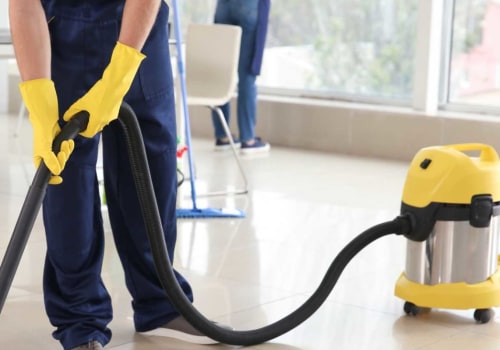
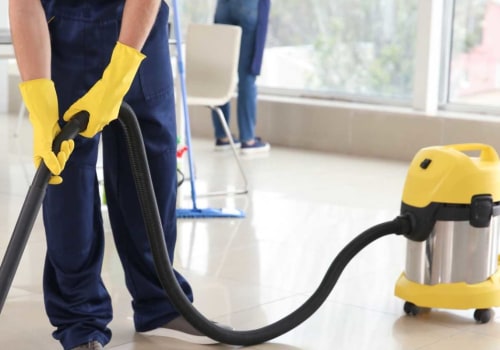
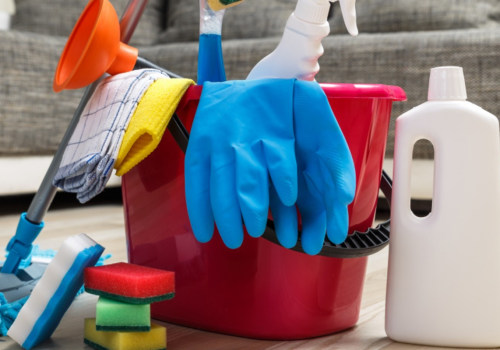
The COVID-19 pandemic has fundamentally altered the way we perceive cleanliness and hygiene, particularly in commercial spaces. As businesses grappled with the challenges posed by the virus, the role of commercial cleaning services emerged as a critical component in safeguarding public health. With heightened awareness of how viruses can spread through contaminated surfaces, the demand for professional cleaning services surged, prompting a reevaluation of cleaning protocols across various industries.In this new era, commercial cleaners have become unsung heroes, working tirelessly to ensure that workplaces, schools, and public facilities are not only clean but also safe for employees and visitors alike. Their expertise in deep cleaning and sanitisation has proven invaluable, as they employ advanced techniques and EPA-approved products to eliminate pathogens effectively.
This shift towards rigorous cleaning standards has not only helped to mitigate the spread of COVID-19 but has also instilled a sense of confidence among employees returning to their workplaces.The importance of pandemic cleaning services cannot be overstated. Businesses that prioritise cleanliness are not just complying with health regulations; they are also demonstrating a commitment to the well-being of their staff and customers. This proactive approach to hygiene fosters a culture of safety and responsibility, which is essential in rebuilding trust in public spaces. As we delve deeper into the essential role of commercial cleaners during this unprecedented time, it becomes clear that their contributions extend far beyond mere aesthetics—they are pivotal in shaping a healthier future for all.
Understanding Commercial Cleaning: Definition and Scope
Commercial cleaning refers to the professional cleaning services provided to businesses, organisations, and institutions.Unlike residential cleaning, which focuses on private homes, commercial cleaning encompasses a wide range of services tailored to meet the unique needs of various commercial spaces. This includes offices, retail establishments, schools, hospitals, and more. The primary goal of commercial cleaning is to maintain a clean, safe, and healthy environment for employees, customers, and visitors.There are several types of commercial cleaning services, each designed to address specific requirements:
- Office Cleaning: This service typically includes dusting, vacuuming, mopping floors, sanitising surfaces, and emptying bins. Regular office cleaning helps create a productive work environment.
- Industrial Cleaning: Focused on factories and manufacturing facilities, industrial cleaning involves the removal of hazardous materials and deep cleaning of machinery and equipment to ensure safety and compliance with regulations.
- Medical Facility Cleaning: Given the stringent hygiene standards in healthcare settings, this type of cleaning requires specialised training and the use of hospital-grade disinfectants to prevent the spread of infections.
- Retail Cleaning: Retail spaces require frequent cleaning to maintain an inviting atmosphere for customers.
This includes floor care, window washing, and restroom sanitation.
- Post-Construction Cleaning: After construction or renovation projects, thorough cleaning is essential to remove dust, debris, and hazardous materials before the space can be occupied.
- Specialty Cleaning: This encompasses services such as carpet cleaning, upholstery cleaning, and window washing that require specific expertise and equipment.
The Impact of COVID-19 on Commercial Cleaning Practices
The COVID-19 pandemic has significantly reshaped the landscape of commercial cleaning, introducing new challenges and necessitating the adoption of enhanced cleaning protocols. As businesses strive to ensure the safety of their employees and customers, the importance of rigorous cleaning practices has never been more pronounced.One of the most notable changes in cleaning practices is the increased frequency and intensity of cleaning routines.Many organisations have implemented a deep cleaning schedule that goes beyond standard procedures. This includes regular disinfection of high-touch surfaces such as doorknobs, light switches, and shared equipment. The use of hospital-grade disinfectants has become commonplace, ensuring that facilities are not only clean but also safe from potential viral contamination.Furthermore, the introduction of pandemic cleaning protocols has led to a shift in the types of products used in commercial cleaning. Many companies are now opting for EPA-approved disinfectants that are effective against a broad spectrum of pathogens, including SARS-CoV-2, the virus responsible for COVID-19. This focus on effective sanitisation is crucial in maintaining a healthy environment.Training for cleaning staff has also evolved.
Employees are now required to undergo comprehensive training on new cleaning techniques and safety measures. This includes proper use of personal protective equipment (PPE), understanding the correct application of disinfectants, and adhering to social distancing guidelines while performing their duties. Such training not only enhances the effectiveness of cleaning efforts but also instills confidence among employees and customers alike.The pandemic has also prompted businesses to reassess their overall approach to cleanliness. Many organisations are now prioritising hygiene as a core value , integrating it into their brand identity.
This shift is evident in marketing strategies that highlight commitment to cleanliness and safety, which can significantly influence customer trust and loyalty.In conclusion, the impact of COVID-19 on commercial cleaning practices is profound and far-reaching. As we navigate through these challenging times, it is clear that enhanced cleaning protocols will remain a critical component of operational strategies for businesses across various sectors.
The Role of Commercial Cleaners as Essential Workers
Throughout the pandemic, the role of commercial cleaners has emerged as a cornerstone of public health and safety. These essential workers have been at the forefront of efforts to maintain hygiene standards in various environments, from bustling offices to healthcare facilities. Their contributions are not merely about keeping spaces tidy; they are vital in preventing the spread of infectious diseases, including COVID-19.Commercial cleaners are tasked with the critical responsibility of sanitising high-touch surfaces, which are often hotspots for virus transmission.This includes areas such as door handles, light switches, and communal equipment. By implementing rigorous cleaning protocols, these professionals help to create safer environments for employees and customers alike.Moreover, the pandemic has highlighted the importance of cleaning protocols that go beyond standard practices. Many commercial cleaning companies have adopted enhanced cleaning measures, including:
- Use of EPA-approved disinfectants: These products are proven to be effective against a wide range of pathogens, ensuring that surfaces are not just clean but also safe.
- Frequent cleaning schedules: Increased frequency of cleaning routines helps to minimise the risk of contamination in high-traffic areas.
- Training and education: Cleaners receive ongoing training on the latest health guidelines and cleaning techniques, ensuring they are well-equipped to handle the challenges posed by the pandemic.
This is particularly important as businesses strive to regain normalcy while navigating ongoing health concerns.In conclusion, the role of commercial cleaners as essential workers during the pandemic cannot be overstated. Their unwavering commitment to maintaining hygiene standards is crucial for public health and safety. As we move forward, it is imperative that we recognise and appreciate their contributions, ensuring that they receive the support and recognition they deserve in our society.
Health Risks Faced by Commercial Cleaners During the Pandemic
The COVID-19 pandemic has significantly altered the landscape of many professions, and commercial cleaners are no exception. As essential workers, they have been thrust into the spotlight, performing critical tasks that help maintain hygiene and safety in various environments.However, this vital role comes with a range of health risks that must be acknowledged and addressed.One of the primary health risks faced by commercial cleaners is the potential exposure to COVID-19. Cleaners often work in high-traffic areas, such as offices, schools, and healthcare facilities, where the likelihood of encountering the virus is heightened. The nature of their work requires them to handle frequently touched surfaces, such as doorknobs, light switches, and shared equipment, which can be contaminated with the virus. This constant exposure increases their risk of contracting COVID-19, especially if proper safety measures are not in place.In addition to viral exposure, commercial cleaners may also face health risks from the cleaning products they use.
Many cleaning agents contain harsh chemicals that can lead to respiratory issues, skin irritations, or allergic reactions. Prolonged exposure to these substances without adequate protective gear can exacerbate these health concerns. Therefore, it is crucial for employers to provide appropriate personal protective equipment (PPE), such as gloves, masks, and goggles, to mitigate these risks.To further enhance safety for commercial cleaners during the pandemic, employers should implement comprehensive training programs that educate workers on:
- Proper cleaning techniques that minimise exposure to harmful pathogens.
- The correct use of PPE and when it should be worn.
- Recognising symptoms of COVID-19 and understanding protocols for reporting illness.
- Safe handling and storage of cleaning chemicals to prevent accidents.
Providing access to counselling services or stress management resources can help alleviate some of this burden.In conclusion, while commercial cleaners play an essential role in maintaining public health during the pandemic, it is imperative that their own health risks are addressed. By implementing robust safety measures and providing necessary support, employers can help protect these vital workers while they continue their important work.
Best Practices for Commercial Cleaning During COVID-19
As businesses navigate the challenges posed by the COVID-19 pandemic, implementing best practices for commercial cleaning has become paramount. These practices not only ensure the safety of employees and customers but also help in maintaining a healthy work environment. Here are some effective methods and guidelines that should be followed:- Regular Cleaning and Disinfection: Establish a routine cleaning schedule that includes frequent disinfection of high-touch surfaces such as doorknobs, light switches, and shared equipment.
Use EPA-approved disinfectants that are effective against the virus.
- Use of Personal Protective Equipment (PPE): Ensure that cleaning staff are equipped with appropriate PPE, including gloves, masks, and face shields. This not only protects them but also reduces the risk of cross-contamination.
- Training and Protocols: Provide comprehensive training for cleaning staff on the latest COVID-19 cleaning guidelines. This should include proper techniques for cleaning and disinfecting, as well as information on how to handle potentially contaminated materials.
- Ventilation: Improve indoor air quality by ensuring proper ventilation in all areas. Open windows where possible and use air purifiers to reduce airborne contaminants.
- Focus on High-Traffic Areas: Pay special attention to areas with high foot traffic, such as lobbies, break rooms, and restrooms.
These areas should be cleaned more frequently to mitigate the risk of virus transmission.
- Encourage Good Hygiene Practices: Place hand sanitising stations throughout the facility and encourage employees to wash their hands regularly. Clear signage can remind everyone of the importance of hygiene.
The Importance of Green Cleaning Products in Commercial Cleaning
In recent years, the shift towards sustainability has gained significant momentum, particularly in the realm of commercial cleaning. The adoption of green cleaning products is not merely a trend; it represents a fundamental change in how businesses approach cleanliness and hygiene.These eco-friendly cleaning solutions are designed to minimise environmental impact while ensuring effective sanitation, making them an essential component of modern commercial cleaning practices.One of the primary benefits of using green cleaning products is their reduced toxicity. Traditional cleaning agents often contain harsh chemicals that can pose health risks to both employees and customers. In contrast, eco-friendly alternatives are typically made from natural ingredients that are safer for human health. This is particularly important in commercial settings where large numbers of people congregate, such as offices, schools, and healthcare facilities.Moreover, the use of eco-friendly cleaning solutions contributes to improved indoor air quality.
Many conventional cleaners release volatile organic compounds (VOCs) into the air, which can lead to respiratory issues and other health problems. Green cleaning products, on the other hand, are formulated to be low in VOCs, helping to create a healthier environment for everyone.Another significant advantage is the positive impact on the environment. By choosing green cleaning, businesses can reduce their carbon footprint and contribute to sustainability efforts. Many green products are biodegradable and come in recyclable packaging, which helps to minimise waste and pollution.
This commitment to environmental stewardship not only benefits the planet but also enhances a company's reputation among increasingly eco-conscious consumers.Furthermore, implementing a green cleaning programme can lead to cost savings over time. While some eco-friendly products may have a higher upfront cost, they often prove more effective in maintaining cleanliness and prolonging the lifespan of surfaces and furnishings. For instance, regular use of green upholstery cleaners can prevent the need for costly replacements by keeping furniture in good condition.In conclusion, the importance of green cleaning products in commercial cleaning cannot be overstated. They offer numerous benefits that extend beyond mere aesthetics; they promote health, enhance air quality, support environmental sustainability, and can even lead to financial savings.
As businesses continue to navigate the challenges posed by the pandemic and beyond, embracing eco-friendly practices will be crucial for fostering safe and sustainable environments.
Commercial Cleaning Services: A Growing Market Post-Pandemic
The COVID-19 pandemic has fundamentally altered the landscape of many industries, and the commercial cleaning sector is no exception. As businesses adapt to a new normal, the demand for professional cleaning services has surged, leading to significant growth in this market. This increase can be attributed to heightened awareness of hygiene and sanitation, as well as the need for businesses to ensure a safe environment for employees and customers alike.In the wake of the pandemic, many organisations have recognised that maintaining a clean workspace is not just a matter of aesthetics but a critical component of health and safety. This shift in perspective has resulted in an increased budget allocation for cleaning services, with many companies opting for regular deep cleaning schedules rather than sporadic maintenance.The focus has shifted towards comprehensive cleaning protocols that include sanitisation of high-touch surfaces, air quality management, and the use of advanced cleaning technologies.Market trends indicate that the demand for post-pandemic cleaning services will continue to grow. According to industry reports, the global commercial cleaning market is projected to expand significantly over the next few years. Factors contributing to this growth include:
- Increased Health Regulations: Governments and health organisations are implementing stricter guidelines regarding cleanliness in public spaces, which has led businesses to seek professional cleaning services to comply with these regulations.
- Consumer Expectations: Customers are now more conscious of hygiene standards when visiting establishments. Businesses that prioritise cleanliness are likely to attract more clientele.
- Technological Advancements: The introduction of innovative cleaning solutions, such as electrostatic sprayers and UV-C light sanitisation, has enhanced the effectiveness of cleaning services, making them more appealing to businesses.
- Sustainability Practices: There is a growing trend towards eco-friendly cleaning products and practices.
Companies that adopt green cleaning methods not only contribute positively to the environment but also appeal to environmentally conscious consumers.
FAQs About Commercial Cleaning During the Pandemic
As businesses navigate the complexities of operating during a pandemic, many have questions regarding the role and effectiveness of commercial cleaning services. Below are some frequently asked questions that address common concerns and provide clarity on this essential service.What is the role of commercial cleaning during the pandemic?
Commercial cleaning plays a crucial role in maintaining a safe and hygienic environment for employees and customers alike.These services focus on disinfecting high-touch surfaces, ensuring that facilities are not only clean but also free from harmful pathogens. This is particularly important in settings such as offices, retail spaces, and healthcare facilities where the risk of virus transmission is heightened.
How often should commercial cleaning occur?
The frequency of commercial cleaning depends on the type of business and its specific needs. High-traffic areas may require daily cleaning and disinfection, while less frequented spaces might be cleaned weekly. Many companies are now opting for enhanced cleaning protocols that include deep cleaning sessions on a regular basis to ensure comprehensive sanitation.What products do commercial cleaners use?
Professional commercial cleaning services typically utilise EPA-approved disinfectants that are effective against viruses, including COVID-19. These products are designed to be safe for both the environment and human health.Additionally, many companies are adopting green cleaning practices, using eco-friendly products that minimise chemical exposure.
Are commercial cleaners trained to handle COVID-19?
Yes, reputable commercial cleaning companies provide their staff with training on the latest health guidelines and protocols related to COVID-19. This includes proper techniques for disinfection, personal protective equipment (PPE) usage, and understanding how to effectively clean various surfaces to reduce the risk of virus transmission.Can I customise my commercial cleaning plan?
Absolutely! Many commercial cleaning providers offer tailored plans that can be adjusted based on your specific requirements. Whether you need more frequent cleanings during peak business hours or specialised services for certain areas, a customised approach ensures that your facility remains safe and compliant with health regulations.In conclusion, understanding the importance of commercial cleaning during the pandemic is vital for maintaining a healthy workplace. By addressing these common questions, businesses can make informed decisions about their cleaning protocols and ensure a safer environment for everyone involved.Conclusion: The Lasting Importance of Commercial Cleaners in a Post-Pandemic World
As we navigate the complexities of a post-pandemic world, the role of commercial cleaners has never been more critical. The pandemic has underscored the importance of maintaining a clean and safe environment, not just for the health of employees and customers but also for the overall well-being of communities.The lessons learned during this challenging time have highlighted the need for rigorous cleaning protocols and the expertise that professional cleaning services bring to various sectors.Throughout this article, we have explored how commercial cleaning services have adapted to meet the heightened demands for hygiene and sanitation. From implementing advanced cleaning technologies to using eco-friendly products, these companies have demonstrated their commitment to creating safer spaces. As businesses reopen and adapt to new norms, the reliance on professional cleaners will continue to grow.Moreover, the ongoing threat of infectious diseases means that regular cleaning and disinfection will remain a priority. Employers must recognise that investing in a robust cleaning programme is not merely a temporary measure but a long-term strategy for safeguarding health.
This includes ensuring that commercial cleaners are equipped with the necessary training and resources to handle potential hazards effectively.In addition to health benefits, maintaining a clean environment can enhance employee morale and productivity. A well-kept workplace fosters a sense of pride among staff and can significantly impact their overall job satisfaction. Furthermore, customers are more likely to frequent businesses that prioritise cleanliness, making it an essential factor in customer retention and brand loyalty.As we look ahead, it is clear that commercial cleaners will play an indispensable role in shaping our public spaces. Their expertise not only helps mitigate health risks but also contributes to building trust within communities.
By prioritising cleanliness, businesses can ensure they are prepared for any future challenges while promoting a culture of health and safety.In conclusion, the pandemic has transformed our understanding of cleanliness and hygiene in commercial settings. The essential role of commercial cleaners will continue to evolve, but their importance in maintaining safe environments will remain constant. As we move forward, let us recognise and appreciate the vital contributions of these professionals who work tirelessly behind the scenes to keep our world clean and safe.