Industrial cleaning is a specialized field that focuses on maintaining cleanliness and hygiene in environments where heavy machinery, chemicals, and large-scale operations are prevalent. Unlike commercial cleaning, which typically addresses the needs of offices, retail spaces, and other public areas, industrial cleaning encompasses a broader range of tasks tailored to meet the unique challenges posed by industrial settings. This distinction is crucial for businesses that operate in sectors such as manufacturing, construction, and energy production, where the stakes for cleanliness and safety are significantly higher.The importance of industrial cleaning cannot be overstated. A clean industrial environment not only enhances operational efficiency but also ensures compliance with health and safety regulations.
Regular cleaning helps to prevent accidents caused by slips, trips, and falls, which can occur due to accumulated debris or spills. Moreover, maintaining a clean workspace can prolong the lifespan of machinery and equipment by reducing wear and tear caused by dust and grime buildup. In essence, effective industrial cleaning is an investment in both employee well-being and the longevity of assets.When comparing industrial and commercial cleaning , it is essential to recognize that the tools, techniques, and expertise required differ significantly. Industrial cleaners often employ heavy-duty equipment such as industrial vacuums, pressure washers, and specialized solvents designed to tackle tough contaminants like grease, oil, and hazardous materials.
In contrast, commercial cleaners typically use lighter equipment suitable for general cleaning tasks. Understanding these differences is vital for businesses seeking to implement effective cleaning strategies that align with their operational needs.
The Importance of Industrial Cleaning in Commercial Settings
In the realm of commercial operations, industrial cleaning plays a pivotal role in ensuring that workplaces are not only clean but also safe for employees and visitors alike. The significance of maintaining high standards of cleanliness cannot be overstated, as it directly impacts both health and productivity.One of the primary benefits of regular industrial cleaning is the enhancement of health and safety standards. In environments where heavy machinery, chemicals, and various materials are present, the accumulation of dirt, grime, and hazardous substances can pose serious risks.Regular cleaning helps to mitigate these risks by:
- Reducing the risk of accidents: A clean workspace minimizes hazards such as slips, trips, and falls. By ensuring that floors are free from debris and spills, companies can significantly lower the likelihood of workplace injuries.
- Improving air quality: Dust and pollutants can accumulate in industrial settings, leading to respiratory issues among employees. Effective cleaning practices help to maintain better air quality, contributing to overall employee health.
- Preventing contamination: In industries where food production or pharmaceuticals are involved, strict cleanliness is essential to prevent contamination. Industrial cleaning ensures that surfaces are sanitized and safe for use.
Regular industrial cleaning can lead to:
- Increased operational efficiency: A clean environment allows for smoother operations. When equipment is well-maintained and free from grime, it operates more efficiently, reducing downtime caused by maintenance issues.
- Enhanced employee morale: Employees are more likely to feel valued and motivated when they work in a clean and well-maintained environment. This can lead to increased productivity and job satisfaction.
- Compliance with regulations: Many industries are subject to strict health and safety regulations. Regular industrial cleaning helps ensure compliance with these standards, avoiding potential fines or legal issues.
It is an essential component that safeguards employee well-being while simultaneously enhancing operational efficiency. By investing in professional cleaning services, businesses not only protect their workforce but also foster a culture of safety and productivity.
Key Differences Between Industrial and Commercial Cleaning
Understanding the distinctions between industrial and commercial cleaning is crucial for businesses seeking the right cleaning solutions. While both types of cleaning aim to maintain cleanliness and hygiene, they differ significantly in methods, equipment, and expertise.Methods of Cleaning
- Industrial Cleaning: This type of cleaning is tailored for environments such as factories, warehouses, and power plants. It often involves the removal of hazardous materials, heavy machinery cleaning, and deep sanitation processes.
Industrial cleaners must be trained to handle specific contaminants and follow strict safety protocols.
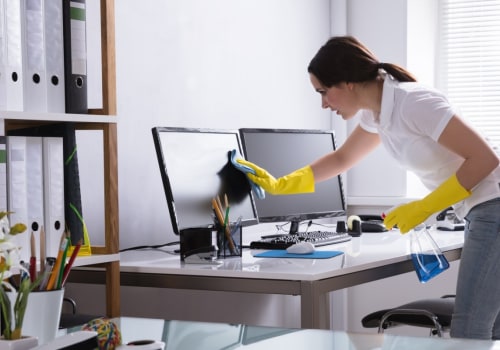
- Commercial Cleaning: Typically focused on office spaces, retail environments, and other public areas, commercial cleaning involves routine tasks such as dusting, vacuuming, and surface sanitisation. The methods used are generally less intensive than those in industrial settings.
Types of Equipment Used
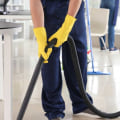
- Industrial Equipment: Industrial cleaning requires specialized tools such as industrial vacuums, pressure washers, and heavy-duty scrubbers. These machines are designed to handle tough grime, chemicals, and large debris that are common in industrial settings.
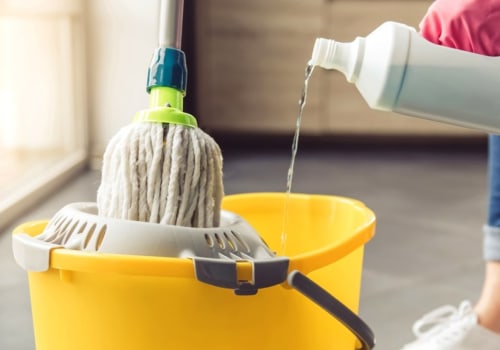
- Commercial Equipment: In contrast, commercial cleaning often utilises standard cleaning tools like mops, brooms, and basic vacuum cleaners. While these tools are effective for everyday cleaning tasks, they may not suffice for the rigorous demands of an industrial environment.
Expertise Required
The expertise of the cleaning personnel also varies significantly between the two sectors.
Industrial cleaners typically undergo extensive training to manage complex cleaning challenges safely. They must understand the implications of using certain chemicals in environments where sensitive equipment or hazardous materials are present. On the other hand, commercial cleaners may require less specialised training as their tasks are generally more straightforward.In summary, while both industrial and commercial cleaning serve essential roles in maintaining cleanliness, their methods, equipment, and required expertise differ greatly. Businesses should carefully consider these factors when selecting a cleaning service to ensure they meet their specific needs effectively.
Types of Industrial Cleaning Services
Industrial cleaning encompasses a wide range of services tailored to meet the unique needs of various sectors.Understanding the different types of industrial cleaning services available is crucial for businesses aiming to maintain a safe and efficient working environment.
1.Deep Cleaning Services
Deep cleaning is an essential aspect of industrial cleaning, focusing on thorough sanitation and hygiene. This process goes beyond regular cleaning routines, targeting hard-to-reach areas and surfaces that accumulate dirt, grime, and contaminants over time. Deep cleaning services often include:
- Floor Scrubbing: Using industrial-grade scrubbers to remove stubborn stains and build-up from floors.
- High-Pressure Washing: Employing high-pressure water jets to clean exterior surfaces, machinery, and equipment.
- Surface Sanitisation: Applying disinfectants to surfaces to eliminate harmful bacteria and viruses.
2.Specialized Cleaning Services
Different industries have specific cleaning requirements due to the nature of their operations. Specialized cleaning services are designed to address these unique challenges.
Examples include:
- Hazardous Material Cleanup: Safely removing and disposing of hazardous substances in compliance with regulations.
- Food Industry Cleaning: Ensuring that food processing areas meet stringent health standards through rigorous cleaning protocols.
- Pharmaceutical Cleaning: Maintaining sterile environments in pharmaceutical manufacturing facilities to prevent contamination.
3.Equipment Cleaning
The use of specialized equipment is vital in industrial cleaning. This includes:
- Industrial Vacuums: Designed to handle heavy debris, chemicals, and dust that standard vacuums cannot manage.
- Steam Cleaners: Utilising high-temperature steam to disinfect surfaces without the need for harsh chemicals.
- Automated Scrubbing Machines: Efficiently cleaning large floor areas while reducing labour costs.
The Role of Specialized Equipment in Industrial Cleaning
In the realm of industrial cleaning, the significance of specialized equipment cannot be overstated. The diverse environments in which industrial cleaning occurs—ranging from manufacturing plants to warehouses—demand a tailored approach, and the right tools are essential for achieving optimal results.One of the primary advantages of using specialized equipment is its ability to enhance both efficiency and effectiveness.For instance, industrial vacuum cleaners are designed to handle heavy-duty tasks, capable of removing not just dust and dirt but also hazardous materials such as metal shavings and chemical spills. These vacuums often come equipped with advanced filtration systems that ensure contaminants are safely contained, preventing them from re-entering the workplace atmosphere.Moreover, pressure washers play a crucial role in industrial cleaning. They utilize high-pressure water jets to remove stubborn grime, grease, and other residues from surfaces that traditional cleaning methods may struggle to address. This is particularly important in environments where cleanliness is paramount for safety and compliance with health regulations.Another essential tool in the arsenal of industrial cleaning is the floor scrubber.
These machines not only clean but also dry floors quickly, reducing slip hazards and downtime. With various models available, including ride-on and walk-behind options, businesses can select equipment that best fits their operational needs.In addition to these tools, specialized chemicals formulated for industrial cleaning are often used in conjunction with equipment to enhance cleaning efficacy. These chemicals are designed to tackle specific types of stains or contaminants found in industrial settings, ensuring that surfaces are not only clean but also sanitized.Furthermore, the importance of training personnel in the proper use of this specialized equipment cannot be overlooked. Well-trained staff can maximize the potential of these tools, ensuring that cleaning processes are carried out safely and effectively.
Regular maintenance of equipment is also vital; it ensures longevity and consistent performance, which ultimately contributes to a cleaner and safer work environment.In conclusion, the role of specialized equipment in industrial cleaning is integral to maintaining high standards of cleanliness and safety. By investing in the right tools and training, businesses can significantly improve their cleaning processes, leading to enhanced productivity and a healthier workplace.
Health and Safety Considerations in Industrial Cleaning
In the realm of industrial cleaning, health and safety considerations are paramount. The nature of industrial environments often involves exposure to hazardous materials, heavy machinery, and complex cleaning processes that can pose risks to workers. Therefore, implementing stringent safety protocols is essential to protect the health of cleaning personnel and ensure a safe working environment.Understanding Hazardous Materials
Many industrial facilities handle substances that can be harmful if not managed correctly.
These may include chemicals, solvents, and biological agents. It is crucial for cleaning teams to be well-versed in the properties of these materials, including:
- Toxicity: Understanding which substances are toxic and the potential health effects they can have on workers.
- Reactivity: Knowing how different chemicals react with one another to prevent dangerous situations.
- Exposure Limits: Being aware of permissible exposure limits (PELs) set by regulatory bodies to safeguard worker health.
Safety Protocols for Cleaners
To mitigate risks associated with industrial cleaning, several safety protocols should be established:
- Personal Protective Equipment (PPE): Cleaners must wear appropriate PPE, including gloves, goggles, respirators, and protective clothing, to shield themselves from hazardous substances.
- Training and Certification: Regular training sessions should be conducted to ensure that all cleaning staff are knowledgeable about safety practices and emergency procedures.
- Proper Ventilation: Ensuring adequate ventilation in areas where cleaning agents are used helps reduce inhalation risks associated with fumes and vapours.
- Emergency Procedures: Establishing clear emergency response plans for incidents such as chemical spills or exposure is vital for quick action and minimising harm.
Managing Hazardous Materials Safely
The safe management of hazardous materials during industrial cleaning involves several key practices:
- Labeling and Storage: All hazardous materials should be clearly labeled and stored in designated areas to prevent accidental exposure or misuse.
- Spill Response Kits: Facilities should be equipped with spill response kits that include absorbent materials, neutralising agents, and protective gear to address any accidental releases swiftly.
- Regular Audits: Conducting regular audits of cleaning processes and materials ensures compliance with safety regulations and identifies areas for improvement.
Choosing the Right Industrial Cleaning Service Provider
When it comes to selecting the right industrial cleaning service provider, making an informed decision is crucial for maintaining a safe and efficient working environment. Here are several key factors to consider that can help you choose the most suitable cleaning company for your needs.Experience and Expertise
One of the first aspects to evaluate is the experience of the cleaning service.Look for companies that have a proven track record in industrial cleaning, particularly in your specific sector. An experienced provider will be familiar with the unique challenges and requirements of your industry, whether it’s manufacturing, warehousing, or another field.
Certifications and Compliance
Ensure that the cleaning company holds relevant certifications and complies with industry standards. This not only demonstrates their commitment to quality but also ensures they adhere to health and safety regulations. Certifications from recognised bodies can be a good indicator of a company’s professionalism and reliability.Customer Reviews and Testimonials
Researching customer reviews can provide valuable insights into the quality of service offered by potential cleaning providers.Look for testimonials on their website, as well as independent review platforms. Pay attention to feedback regarding their reliability, quality of work, and customer service. A company with consistently positive reviews is likely to deliver satisfactory results.
Range of Services Offered
Consider the range of services that the cleaning company provides. A comprehensive industrial cleaning service should include not only routine cleaning but also specialised services such as deep cleaning, sanitisation, and hazardous waste disposal.This versatility can save you time and effort in managing multiple contractors.
Equipment and Cleaning Products
The type of equipment and cleaning products used by the service provider is another important factor. Ensure they utilise modern, efficient machinery and environmentally friendly cleaning solutions that are effective yet safe for your employees and the environment.Cost Considerations
While cost should not be the sole determining factor, it is essential to obtain detailed quotes from multiple providers. Compare their pricing structures while considering the quality of service offered. Remember that the cheapest option may not always provide the best value in terms of thoroughness and reliability.By taking these factors into account, you can make a well-informed decision when choosing an industrial cleaning service provider that meets your specific needs and standards.FAQs About Industrial Cleaning
When it comes to industrial cleaning, many businesses have questions that can help them understand the nuances of this essential service.Below are some frequently asked questions that clarify common misconceptions and provide valuable insights.
What is the difference between commercial cleaning and industrial cleaning?
While both commercial and industrial cleaning aim to maintain cleanliness, they differ significantly in scope and methodology. Commercial cleaning typically focuses on office spaces, retail environments, and other public areas, employing standard cleaning techniques and products. In contrast, industrial cleaning involves specialized processes tailored for factories, warehouses, and manufacturing plants, where heavy machinery and hazardous materials are present. This type of cleaning often requires advanced equipment and trained personnel to handle specific challenges such as chemical spills or large-scale waste management.What types of facilities require industrial cleaning?
Industrial cleaning is essential in various settings, including:- Manufacturing plants
- Power generation facilities
- Distribution centres
- Food processing plants
- Aerospace and automotive industries
- Chemical processing facilities
Are industrial cleaners trained differently than commercial cleaners?
Yes, industrial cleaners undergo specialized training that equips them with the skills necessary to handle complex cleaning tasks safely and effectively.This training often includes:
- Understanding of hazardous materials and safety protocols
- Operation of industrial-grade cleaning equipment
- Knowledge of environmental regulations
- Techniques for deep cleaning in challenging environments
What are some common misconceptions about industrial cleaning?
A prevalent misconception is that all cleaning services are interchangeable. Many believe that a standard commercial cleaner can effectively manage an industrial site; however, this is not the case. Industrial environments often require specific knowledge about handling hazardous materials and using specialized equipment. Additionally, some may think that industrial cleaning is only necessary during shutdowns or maintenance periods.In reality, regular industrial cleaning is crucial for ongoing operations to prevent accidents and ensure compliance with health and safety standards.By addressing these frequently asked questions, businesses can make informed decisions about their cleaning needs and understand the importance of hiring qualified professionals for their specific environments.
Conclusion: The Necessity of Professional Industrial Cleaning Services
In conclusion, the significance of professional industrial cleaning services cannot be overstated. As we have explored throughout this article, maintaining a clean and safe working environment is essential for the efficiency and productivity of any industrial facility. The unique challenges posed by industrial settings require specialized knowledge, equipment, and techniques that only trained professionals can provide.One of the primary reasons to engage professional cleaning services is the adherence to health and safety regulations. Industrial environments often deal with hazardous materials, chemicals, and heavy machinery, making it crucial to ensure that all cleaning processes are conducted in compliance with relevant laws and standards.This not only protects employees but also mitigates potential legal liabilities for the organisation.Moreover, regular industrial cleaning helps in prolonging the lifespan of equipment and machinery. Accumulated dirt, grease, and grime can lead to wear and tear, resulting in costly repairs or replacements. By investing in professional cleaning services, businesses can maintain their assets in optimal condition, ultimately saving money in the long run.Additionally, a clean workplace fosters a positive atmosphere for employees. Studies have shown that a tidy and well-maintained environment can enhance employee morale and productivity.
When workers feel safe and comfortable in their surroundings, they are more likely to perform at their best.Furthermore, professional cleaners bring expertise that goes beyond mere surface cleaning. They employ advanced techniques such as industrial vacuuming , deep sanitisation, and specialised waste disposal methods tailored to the specific needs of each facility. This level of detail ensures that even the most challenging areas are thoroughly cleaned and maintained.In summary, engaging professional industrial cleaning services is not just a matter of aesthetics; it is a vital component of operational efficiency and employee well-being. By prioritising cleanliness through expert services, businesses can create a safer, more productive work environment that meets both regulatory standards and employee expectations.