In the competitive landscape of commercial cleaning, understanding profit margins is crucial for any business owner aiming to achieve long-term success. Profit margins represent the difference between the revenue generated from cleaning services and the costs incurred to provide those services. For cleaning businesses, particularly in the commercial sector, these margins can vary significantly based on factors such as service offerings, operational efficiency, and market demand. A solid grasp of profit margins not only helps in assessing the financial health of your business but also serves as a foundation for strategic decision-making.Commercial cleaning encompasses a wide range of services, from office cleaning to specialised sanitation for healthcare facilities.
Each of these services comes with its own cost structure and pricing strategy, which directly impacts profit margins. For instance, while basic office cleaning may have lower operational costs, specialised services like post-construction cleaning or deep sanitisation can command higher prices due to their complexity and the expertise required. Understanding these nuances allows business owners to tailor their offerings and pricing strategies effectively.Moreover, maintaining a healthy profit margin is essential for reinvesting in your business, whether that means upgrading equipment, expanding your service range, or enhancing employee training. As you delve deeper into the commercial cleaning sector, it becomes evident that maximising profitability is not merely about increasing prices; it involves optimising every aspect of your operations.
From efficient scheduling and staff management to leveraging technology for better service delivery, each element plays a pivotal role in shaping your profit margins.In summary, recognising the significance of profit margins within the commercial cleaning industry sets the stage for implementing effective strategies aimed at enhancing profitability. By focusing on both cost management and value creation, you can position your cleaning business for sustainable growth and success in a thriving market.From efficient scheduling and staff management to leveraging technology for better service delivery, each element plays a pivotal role in shaping your profit margins.In summary, recognising the significance of profit margins within the commercial cleaning industry sets the stage for implementing effective strategies aimed at enhancing profitability. By focusing on both cost management and value creation, you can position your cleaning business for sustainable growth and success in a thriving market.
Identifying Your Niche in the Cleaning Market
In the competitive landscape of the cleaning industry, identifying a specific niche is crucial for establishing a successful business. By focusing on a particular segment, such as commercial cleaning , you can tailor your services to meet the unique needs of your target market, ultimately leading to increased customer satisfaction and higher profit margins.Commercial cleaning encompasses a wide range of services designed for businesses, including offices, retail spaces, and industrial facilities. This sector often requires specialised knowledge and equipment, which can set your business apart from general cleaning services.Here are some key reasons why honing in on a niche like commercial cleaning can be beneficial:
- Targeted Marketing: By defining your niche, you can create marketing strategies that resonate with your ideal clients. This focused approach allows you to communicate effectively about the specific benefits of your services, making it easier to attract and retain customers.
- Expertise Development: Specialising in commercial cleaning enables you to develop expertise in this area. Understanding the unique challenges faced by businesses—such as compliance with health and safety regulations—can enhance your credibility and make you a preferred choice among potential clients.
- Higher Profit Margins: Commercial clients often have larger budgets compared to residential customers. By offering tailored services that address their specific needs, you can justify higher pricing structures, thereby increasing your overall profit margins.
- Long-Term Contracts: Many businesses prefer to establish long-term relationships with their cleaning service providers.
By focusing on commercial cleaning, you may secure contracts that provide consistent revenue streams, reducing the uncertainty associated with one-off jobs.
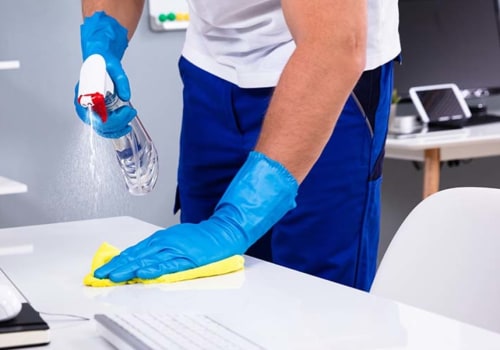
- Office Cleaning: Regular maintenance of office spaces, including dusting, vacuuming, and sanitising workstations.
- Industrial Cleaning: Services tailored for factories and warehouses that may require heavy-duty equipment and specialised training.
- Retail Cleaning: Focused on maintaining cleanliness in shops and showrooms to enhance customer experience.
- Post-Construction Cleaning: A niche that involves deep cleaning after construction or renovation projects to prepare spaces for occupancy.
Optimising Pricing Strategies for Maximum Profitability
Setting the right prices for your cleaning services is crucial for maximising profitability while ensuring you remain competitive in the market. A well-thought-out pricing strategy not only reflects the quality of your services but also influences customer perception and loyalty. Here are several effective pricing strategies that can help your cleaning business thrive.- Cost-Plus Pricing: This straightforward approach involves calculating the total cost of providing your cleaning services, including labour, materials, and overheads, and then adding a markup percentage to determine your final price.
This method ensures that all costs are covered while allowing for a profit margin.
- Competitive Pricing: Researching your competitors’ pricing is essential. By analysing what similar cleaning businesses charge, you can position your prices competitively. This doesn’t mean you should always undercut; instead, consider offering additional value or unique services that justify a higher price point.
- Value-Based Pricing: This strategy focuses on the perceived value of your services rather than just the cost. If you offer specialised cleaning services or exceptional customer service, you can charge a premium.
Communicate the benefits and results of your services to justify higher prices.
- Tiered Pricing: Offering different service packages at varying price points can attract a broader range of customers. For instance, you might have a basic package for standard cleaning and a premium package that includes additional services like deep cleaning or eco-friendly products.
- Discounts and Promotions: While maintaining profitability is key, occasional discounts or promotional offers can attract new clients and encourage repeat business. Consider seasonal promotions or referral discounts to incentivise existing customers to recommend your services.
Streamlining Operations for Efficiency
Streamlining operations is a crucial strategy for any cleaning business aiming to enhance efficiency and reduce operational costs.By refining processes, you can not only improve service delivery but also significantly boost your profit margins.One of the first steps in streamlining operations is to conduct a thorough analysis of your current workflows. Identify areas where time and resources are being wasted. For instance, consider the following:
- Task Duplication: Are there tasks that are being performed multiple times unnecessarily? Streamlining these can save both time and labour costs.
- Equipment Utilisation: Ensure that your cleaning equipment is being used to its full potential. Regular maintenance can prevent breakdowns and extend the lifespan of your tools.
- Staff Training: Invest in training your staff on efficient cleaning techniques and the proper use of equipment.
Well-trained employees can complete tasks more quickly and effectively.
A clear set of procedures can minimise confusion and enhance productivity.Finally, regularly review your operational costs. Keep track of expenses related to supplies, labour, and overheads. By identifying areas where costs can be cut without compromising service quality, you can further increase your profit margins. For instance, bulk purchasing of cleaning supplies can lead to significant savings over time.In conclusion, streamlining operations is essential for any cleaning business looking to maximise profit margins.
By analysing workflows, leveraging technology, standardising procedures, and monitoring costs, you can create a more efficient operation that not only meets client expectations but also enhances your bottom line.
Investing in Quality Equipment and Supplies
Investing in high-quality cleaning equipment and supplies is a crucial step for any cleaning business aiming to maximise its profit margins, particularly in the commercial cleaning sector. The right tools not only enhance the quality of service provided but also improve operational efficiency, leading to increased customer satisfaction and repeat business.When considering the investment in cleaning equipment, it is essential to conduct a thorough cost-benefit analysis. This involves evaluating the initial costs of purchasing high-quality equipment against the long-term benefits it can bring. While cheaper alternatives may seem appealing at first, they often lead to higher maintenance costs, more frequent replacements, and ultimately lower service quality.Benefits of Quality Equipment
- Durability: High-quality equipment is built to last, reducing the frequency of replacements and repairs.
- Efficiency: Advanced cleaning machines often operate faster and more effectively, allowing your team to complete jobs in less time.
- Better Results: Quality supplies and equipment can achieve superior cleaning results, which can enhance your reputation and lead to more referrals.
- Health and Safety: Investing in top-notch supplies ensures that you are using safe and effective products, which is particularly important in commercial settings where health regulations are stringent.
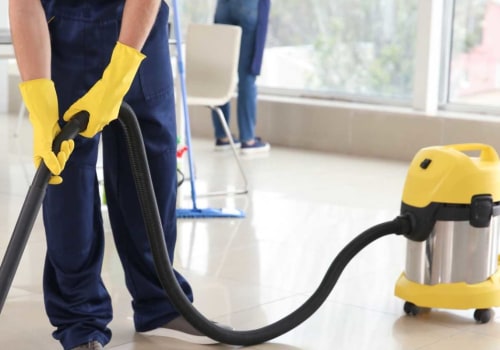
For instance, if your focus is on commercial cleaning, investing in industrial-grade vacuums or floor scrubbers can significantly improve your service delivery. These machines are designed to handle larger spaces and tougher stains, making them ideal for offices, warehouses, and other commercial environments.
Choosing the Right Supplies
In addition to equipment, the quality of cleaning supplies plays a vital role in your business's success. Opt for eco-friendly products that not only meet cleaning standards but also appeal to environmentally conscious clients. This can set you apart from competitors who may not prioritise sustainability.Ultimately, while the initial investment in quality equipment and supplies may be higher than opting for cheaper alternatives, the long-term benefits—such as improved efficiency, enhanced service quality, and increased customer satisfaction—can lead to a significant boost in your profit margins.By prioritising quality over cost, you position your cleaning business for sustainable growth and success in a competitive market.
Building a Strong Brand and Reputation
In the competitive landscape of commercial cleaning, establishing a strong brand and maintaining a positive reputation are crucial for attracting clients and enhancing profit margins. A well-defined brand not only differentiates your services from competitors but also fosters trust among potential customers.1.Define Your Brand Identity
Your brand identity encompasses your business's values, mission, and the unique selling propositions (USPs) that set you apart. Start by identifying what makes your cleaning business unique. This could be eco-friendly cleaning products, exceptional customer service, or specialised services tailored to specific industries.
Once you have a clear understanding of your USPs, incorporate them into your branding materials, including your logo, website, and marketing collateral.
2.Build Trust Through Consistency
Consistency in service delivery is key to building trust with your clients. Ensure that your team adheres to the same high standards across all jobs. This includes using the same quality of cleaning products, following established procedures, and maintaining professionalism at all times. When clients know they can expect the same level of service every time, they are more likely to return and recommend your services to others.
3.Leverage Customer Testimonials
Positive reviews and testimonials can significantly enhance your reputation.
Encourage satisfied clients to leave feedback on platforms such as Google My Business or social media. Display these testimonials prominently on your website and marketing materials to build credibility. Consider creating case studies that showcase successful projects, highlighting the challenges faced and how your services provided effective solutions.
4.Engage with Your Community
Being active in your local community can bolster your brand's reputation. Participate in community events, sponsor local initiatives, or collaborate with other businesses to increase visibility.
This not only helps in building relationships but also positions your brand as a trusted member of the community.
5.Implement Reputation Management Strategies
Monitor online reviews and social media mentions of your business regularly. Respond promptly to both positive and negative feedback, demonstrating that you value customer opinions and are committed to improving your services. Addressing complaints professionally can turn a negative experience into a positive one, further enhancing your reputation.By focusing on building a strong brand and managing your reputation effectively, you can attract more clients willing to pay premium prices for reliable commercial cleaning services. This not only increases your client base but also contributes significantly to maximising profit margins.
Leveraging Technology for Business Growth
In today's fast-paced business environment, leveraging technology is essential for cleaning companies aiming to enhance their operational efficiency and customer engagement.By integrating the right technological solutions, cleaning businesses can streamline their processes, reduce costs, and ultimately increase their profit margins.
1.Software Solutions for Scheduling and Management
One of the most significant advancements in the cleaning industry is the availability of software solutions designed specifically for scheduling and management. These platforms allow cleaning businesses to:
- Automate Scheduling: With automated scheduling tools, you can easily assign jobs to your team based on availability and location, reducing downtime and ensuring that all tasks are completed efficiently.
- Track Employee Performance: Many software solutions offer features that enable you to monitor employee productivity, helping you identify top performers and areas where additional training may be needed.
- Manage Customer Relationships: Customer relationship management (CRM) systems can help you maintain detailed records of client interactions, preferences, and feedback, allowing for more personalized service.
2.Implementing Automation in Cleaning Services
Automation is another key area where technology can significantly impact your cleaning business. By incorporating automated cleaning equipment such as robotic vacuums or floor scrubbers, you can:
- Reduce Labour Costs: Automated machines can handle repetitive tasks, freeing up your staff to focus on more complex cleaning duties that require human attention.
- Enhance Consistency: Machines provide a level of consistency that is hard to achieve with manual labour, ensuring that every job meets your quality standards.
- Increase Efficiency: Automated equipment can work faster than human cleaners, allowing you to complete more jobs in less time.
3.Engaging Customers through Technology
Technology also plays a crucial role in enhancing customer engagement. By utilizing online booking systems and mobile applications, you can make it easier for clients to schedule services at their convenience.
Additionally, implementing feedback tools allows customers to share their experiences, which can be invaluable for improving your services and building a loyal client base.In conclusion, embracing technology in your cleaning business is not just about keeping up with trends; it’s about positioning yourself for growth and profitability. By investing in software solutions, automating processes, and enhancing customer engagement through technology, you can create a more efficient operation that maximizes profit margins while delivering exceptional service.
Effective Marketing Strategies for Commercial Cleaning Services
In the competitive landscape of commercial cleaning, effective marketing strategies are essential for attracting new clients and retaining existing ones. A well-rounded marketing approach not only enhances visibility but also builds trust and credibility in your services. Here are some key strategies to consider:- Develop a Professional Website: Your website serves as the digital storefront for your cleaning business.
Ensure it is user-friendly, mobile-responsive, and contains essential information such as services offered, pricing, and contact details. Incorporate high-quality images of your work and client testimonials to build trust.
- Utilise Search Engine Optimisation (SEO): Optimising your website for search engines is crucial. Use relevant keywords like "commercial cleaning services" throughout your site to improve visibility. Create informative blog posts that address common cleaning concerns or tips, which can help drive organic traffic.
- Leverage Social Media: Platforms like Facebook, Instagram, and LinkedIn are powerful tools for engaging with potential clients.
Share before-and-after photos of your cleaning jobs, client testimonials, and special promotions. Regularly posting content can help keep your audience engaged and informed.
- Email Marketing: Build an email list of current and potential clients to keep them updated on your services, promotions, and cleaning tips. Personalised emails can enhance customer relationships and encourage repeat business.
- Networking and Partnerships: Establish connections with local businesses, property managers, and real estate agents who can refer clients to you. Attend local business events or join community groups to expand your network.
- Online Advertising: Consider investing in pay-per-click (PPC) advertising or social media ads targeting local businesses in need of cleaning services.
This can provide immediate visibility and lead generation.
- Offer Promotions and Discounts: Attract new clients by offering introductory discounts or referral bonuses for existing customers who bring in new business. This not only incentivises new clients but also rewards loyalty.
<strong>Conclusion</strong>
In conclusion, maximising profit margins in a commercial cleaning business requires a multifaceted approach that encompasses strategic planning, market understanding, and operational efficiency. Throughout this article, we have explored several key strategies that can significantly enhance your profitability.Firstly, identifying and specialising in a niche market is crucial.By focusing on specific areas such as commercial cleaning, you can differentiate your services from competitors and attract clients who are willing to pay a premium for specialised expertise. This not only helps in building a strong brand reputation but also fosters long-term client relationships.Secondly, diversifying your service offerings can lead to increased revenue streams. By providing additional services such as carpet cleaning, window washing, or post-construction clean-up, you can cater to a broader range of client needs and maximise each contract's value. This approach not only enhances customer satisfaction but also encourages repeat business.Moreover, it is essential to maintain competitive pricing while ensuring that your rates reflect the quality of service provided.
Conducting thorough market research will enable you to set prices that are attractive yet profitable. Regularly reviewing your pricing strategy in relation to operational costs will help you stay ahead of the competition.Additionally, investing in efficient cleaning equipment and technology can streamline operations and reduce labour costs. High-quality tools not only improve cleaning effectiveness but also reduce the time spent on each job, allowing you to take on more clients without compromising service quality.Finally, understanding your financial metrics is vital for ongoing success. Regularly calculating your profit margins and analysing expenses will provide insights into areas where you can cut costs or increase efficiency.
This financial awareness will empower you to make informed decisions that drive profitability.By implementing these strategies and continuously seeking ways to improve your operations, you can significantly enhance the profit margins of your commercial cleaning business. With dedication and strategic foresight, the potential for growth and success in this industry is substantial.