Maintaining a clean office environment is not merely a matter of aesthetics; it plays a crucial role in fostering a healthy and productive workplace. The significance of daily office cleaning cannot be overstated, as it directly impacts the well-being of employees and the overall atmosphere of the workplace. A clean office reduces the risk of illness, enhances focus, and promotes a sense of pride among staff members. When employees enter a tidy space, they are more likely to feel motivated and engaged, which can lead to increased productivity.Moreover, the benefits of a clean office extend beyond individual health.
Regular cleaning practices help to minimise the spread of germs and allergens, creating a safer environment for everyone. High-touch surfaces such as desks, keyboards, and door handles can harbour harmful bacteria if not cleaned daily. By implementing a routine cleaning schedule, businesses can significantly reduce absenteeism due to illness, ultimately saving costs associated with lost productivity.In addition to health benefits, a clean office contributes to improved morale among employees. A well-maintained workspace reflects an organisation's commitment to its staff and can enhance job satisfaction.
Employees are more likely to take pride in their work when they are surrounded by cleanliness and order. Furthermore, clients and visitors are often impressed by a tidy office, which can positively influence their perception of the company.In summary, the importance of daily office cleaning lies in its ability to create a healthy work environment that boosts productivity and morale. By prioritising cleanliness, businesses not only protect their employees' health but also foster a culture of professionalism and respect within the workplace.
Essential Daily Cleaning Tasks
Maintaining a clean office environment is crucial for productivity and overall well-being. To achieve this, implementing a set of essential daily cleaning tasks can make a significant difference.Below is a comprehensive checklist that outlines the key areas to focus on each day.
- Empty Trash Bins: Start your cleaning routine by emptying all trash bins throughout the office. Replace the liners to prevent unpleasant odours and maintain hygiene.
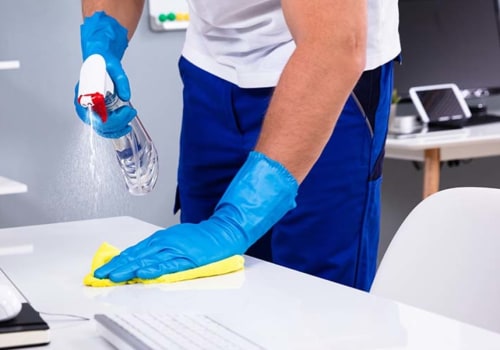
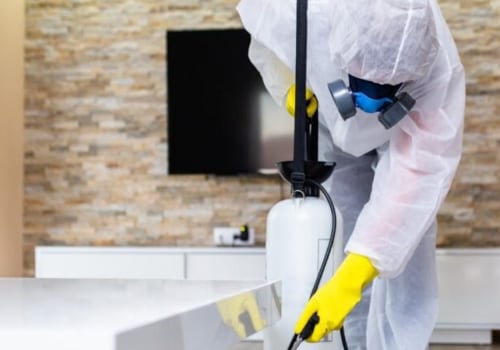
- Sanitise High-Touch Surfaces: Regularly disinfect surfaces that are frequently touched, such as door handles, light switches, and shared equipment. Use a suitable disinfectant to eliminate germs effectively.
- Dust Surfaces: Dust all surfaces, including desks, shelves, and electronic devices. Pay special attention to areas that often accumulate dust, such as behind monitors and on top of cabinets.
- Clean Computer Equipment: Wipe down keyboards, mice, and screens with appropriate cleaning solutions.
This not only keeps your equipment in good condition but also reduces the spread of germs.
- Vacuum or Sweep Floors: Depending on your flooring type, either vacuum carpets or sweep hard floors to remove dirt and debris. This helps maintain a clean appearance and prevents allergens from accumulating.
- Organise Workspaces: Take a few moments to tidy up personal workspaces. Encourage employees to keep their desks clutter-free by providing adequate storage solutions.
- Restock Supplies: Check common areas for supplies such as paper, pens, and sanitising wipes. Ensure that these items are replenished regularly to avoid disruptions in workflow.
- Check Restrooms: Ensure that restrooms are clean and well-stocked with toilet paper, soap, and hand towels.
A clean restroom contributes significantly to the overall hygiene of the office.
High-Touch Surfaces: The Focus Areas
In any office environment, certain areas are touched more frequently than others, making them prime candidates for the accumulation of germs and bacteria. These high-touch surfaces require special attention during your daily cleaning routine to ensure a healthy workspace. Understanding which surfaces to prioritise and how to effectively disinfect them is crucial for maintaining a safe and productive environment.Key High-Touch Surfaces in the Office
- Door Handles: These are often the first point of contact when entering or exiting a room.
Regularly disinfecting door handles can significantly reduce the spread of germs.
- Light Switches: Frequently used throughout the day, light switches can harbour a surprising amount of bacteria. Wiping them down with disinfectant should be part of your daily cleaning checklist.
- Desks and Workstations: Your personal workspace is a hotspot for germs, especially if you share it with colleagues. Ensure that you clean your desk surface, including any items on it, such as phones and stationery.
- Keyboards and Mice: These devices are often overlooked but can be breeding grounds for bacteria. Use appropriate cleaning solutions to disinfect keyboards and mice without damaging them.
- Shared Equipment: Printers, copiers, and other shared devices should be cleaned regularly, as multiple users can transfer germs between them.
- Break Room Surfaces: Tables, countertops, and appliances in communal areas are frequently touched by many employees.
Regular disinfection is essential to prevent illness.
The Importance of Disinfecting High-Touch Surfaces
The significance of disinfecting these high-touch areas cannot be overstated. Studies have shown that viruses and bacteria can survive on surfaces for extended periods, leading to potential outbreaks of illness within the workplace. By focusing on these critical areas, you not only protect your health but also contribute to a more productive work environment.
Effective Disinfection Practices
To effectively disinfect high-touch surfaces, follow these guidelines:
- Select the Right Products: Use EPA-approved disinfectants that are effective against a broad spectrum of pathogens.
- Follow Instructions: Always adhere to the manufacturer's instructions regarding contact time and application methods for maximum effectiveness.
- Use Disposable Cloths: When cleaning, opt for disposable cloths or wipes to prevent cross-contamination between surfaces.
- Regular Schedule: Establish a routine cleaning schedule that includes daily disinfection of high-touch areas to maintain a consistently healthy workspace.
Creating a Weekly Office Cleaning Schedule
Establishing a structured weekly office cleaning schedule is crucial for maintaining a tidy and healthy work environment. A well-organised routine not only enhances productivity but also fosters a sense of professionalism among employees and visitors alike.Here’s how to create an effective cleaning schedule that prioritises tasks based on their frequency and importance.
1.Assess Your Office Space
Begin by evaluating your office layout and identifying areas that require regular attention. Consider high-traffic zones such as reception areas, meeting rooms, and communal spaces, as these are more prone to dirt and clutter. Make a list of all the spaces that need cleaning, including:
- Desks and workstations
- Kitchen or break areas
- Restrooms
- Meeting rooms
- Entryways and hallways
2.Categorise Cleaning Tasks
Once you have a comprehensive list, categorise the cleaning tasks into daily, weekly, and monthly activities. Daily tasks might include:
- Emptying trash bins
- Dusting surfaces
- Wiping down high-touch areas like door handles and light switches
- Cleaning kitchen counters and tables
- Vacuuming carpets and rugs
- Mopping hard floors
- Deep cleaning restrooms
- Cleansing kitchen appliances like microwaves and refrigerators
3.Create a Cleaning Calendar
Utilise a calendar or digital tool to map out your cleaning schedule.
Assign specific days for each task, ensuring that all areas receive attention throughout the week. For instance, you might designate Mondays for deep cleaning the kitchen, Wednesdays for vacuuming, and Fridays for dusting office equipment.
4.Delegate Responsibilities
If you work in a team, consider delegating cleaning responsibilities among staff members. This not only distributes the workload but also encourages everyone to take ownership of their workspace. You can create a rotating schedule where different team members are responsible for specific tasks each week.
5.Review and Adjust Regularly
Your office cleaning routine should be flexible enough to adapt to changing needs.
Regularly review your schedule to identify any areas that may require more frequent cleaning or adjustments based on feedback from employees. This ensures that your cleaning efforts remain effective and relevant.By implementing a structured weekly cleaning schedule, you can significantly enhance the cleanliness of your office space, leading to improved morale and productivity among employees.
The Role of Commercial Cleaning Services
In today’s fast-paced business environment, maintaining a clean and hygienic workplace is more crucial than ever. This is where commercial cleaning services come into play, offering a range of benefits that can significantly enhance the cleanliness and overall atmosphere of your office.Advantages of Hiring Professional Cleaners
- Expertise and Experience: Professional cleaning companies employ trained staff who are well-versed in the best cleaning practices and techniques. They understand how to tackle various surfaces and materials, ensuring that every corner of your office is cleaned effectively.
- Time Efficiency: By outsourcing your cleaning needs, you free up valuable time for your employees to focus on their core responsibilities.
This not only boosts productivity but also allows your team to work in a more organised and pleasant environment.
- Customised Cleaning Plans: Commercial cleaning services can tailor their offerings to meet the specific needs of your office. Whether you require daily, weekly, or monthly cleaning, they can create a schedule that fits seamlessly into your operations.
- Access to Professional Equipment: Cleaning companies invest in high-quality equipment and eco-friendly cleaning products that may not be available to the average office. This ensures a deeper clean and helps maintain a healthier workspace.
- Health Benefits: Regular professional cleaning reduces allergens, bacteria, and viruses in the workplace, contributing to a healthier environment for employees. This is particularly important in preventing the spread of illness, which can lead to increased absenteeism.
What to Look for in a Service Provider
When considering hiring a commercial cleaning service, it’s essential to evaluate potential providers carefully.
Look for companies that have:
- A Good Reputation: Check online reviews and testimonials from other businesses to gauge the reliability and quality of service.
- Insurance and Certifications: Ensure that the company is fully insured and has the necessary certifications to operate legally and safely.
- Flexible Services: Choose a provider that offers flexibility in their services, allowing you to adjust your cleaning schedule as needed.
- Transparent Pricing: A reputable company will provide clear pricing structures without hidden fees, ensuring you know exactly what you’re paying for.
Tips for Maintaining a Clean Office Environment
Maintaining a clean office environment is not solely the responsibility of cleaning staff; it requires a collective effort from all employees. By adopting simple daily habits, everyone can contribute to a healthier and more organised workspace. Here are some practical tips to help you keep your office tidy:- Establish a Personal Cleaning Routine: Dedicate a few minutes at the end of each day to tidy your workspace.
This includes clearing away clutter, wiping down surfaces, and ensuring that all items are in their designated places.
- Organise Your Desk: Use organisers, trays, or drawers to keep documents and supplies neatly arranged. A clutter-free desk not only looks better but also enhances productivity by reducing distractions.
- Implement a No-Food Policy: If possible, avoid eating at your desk. Food crumbs and spills can attract pests and create unpleasant odours. Instead, designate a specific area for meals and snacks.
- Keep Cleaning Supplies Handy: Stock your workspace with essential cleaning supplies such as disinfectant wipes, hand sanitiser, and paper towels.
This makes it easier to address spills or messes immediately.
- Encourage Team Responsibility: Foster a culture of cleanliness by encouraging colleagues to take responsibility for shared spaces. Regularly remind each other to clean up after meetings or communal activities.
- Schedule Regular Deep Cleans: While daily tidying is crucial, it’s also important to schedule regular deep cleaning sessions for communal areas like kitchens and meeting rooms. This ensures that these spaces remain hygienic and welcoming.
- Be Mindful of Shared Equipment: When using shared devices such as printers or copiers, take a moment to clean up any paper jams or spills. Leaving these issues for others can lead to frustration and an untidy environment.
Remember, a tidy workspace can significantly impact morale and productivity, making it essential for everyone to play their part in maintaining cleanliness.
FAQs About Office Cleaning Practices
Maintaining a clean office environment is crucial for productivity and health. Below are some frequently asked questions regarding office cleaning practices that can help clarify common concerns and misconceptions.What are the most important areas to clean in an office?
When it comes to office cleaning, certain areas require more attention due to their high usage and potential for germ accumulation. Key areas include:- Desks and Workstations: Regularly wipe down surfaces to remove dust, crumbs, and germs.
- Kitchen and Break Areas: Clean countertops, tables, and appliances to prevent foodborne illnesses.
- Restrooms: Ensure thorough cleaning and disinfection of toilets, sinks, and door handles.
- High-Touch Surfaces: Frequently disinfect items like light switches, door handles, and shared equipment.
How often should I clean my office?
The frequency of cleaning depends on the size of the office and the number of employees. However, a general guideline is:- Daily: Tidy up workspaces, empty bins, and disinfect high-touch surfaces.
- Weekly: Deep clean communal areas such as kitchens and restrooms.
- Monthly: Conduct a thorough cleaning of carpets, windows, and less frequently used spaces.
Can I use regular household cleaners in an office setting?
While household cleaners can be effective for small tasks, it’s advisable to use commercial-grade cleaning products for larger office spaces.These products are designed to tackle tougher stains and disinfect more effectively. Always ensure that any cleaning product used is suitable for the surfaces being cleaned to avoid damage.
What are some tips for maintaining cleanliness throughout the day?
Encouraging a culture of cleanliness can significantly improve your office environment. Here are some tips:- Create a Cleaning Schedule: Assign specific cleaning tasks to employees or hire a professional service.
- Encourage Personal Responsibility: Remind staff to keep their own workspaces tidy.
- Provide Cleaning Supplies: Make sure that employees have access to disinfectant wipes and hand sanitiser.
Conclusion: Embracing Cleanliness for a Healthier Workplace
In conclusion, maintaining a clean office environment is not merely a matter of aesthetics; it is a crucial component of fostering a healthy workplace. The strategies discussed throughout this article highlight the significance of daily cleaning routines and their impact on employee well-being and productivity.By implementing these practices, you can create an atmosphere that promotes both physical health and mental clarity.To recap, here are the essential points to consider:
- Regular Cleaning Tasks: Daily tasks such as emptying trash bins, dusting surfaces, and disinfecting high-touch areas are vital in preventing the spread of germs and maintaining a tidy workspace.
- Focus on High-Touch Surfaces: Areas like door handles, light switches, and shared equipment require special attention to minimise the risk of illness among employees.
- Utilise Professional Services: Engaging with commercial cleaning services can ensure that your office is cleaned thoroughly and efficiently, allowing you to focus on your core responsibilities.
- Create a Cleaning Schedule: Establishing a structured cleaning checklist can help keep your office organised and ensure that no area is overlooked.
- Encourage Employee Participation: Involving staff in maintaining cleanliness can foster a sense of responsibility and community within the workplace.
Embrace cleanliness today for a brighter tomorrow!.