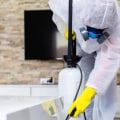
The commercial cleaning industry is a dynamic and rapidly evolving sector that plays a crucial role in maintaining hygiene and cleanliness in various environments, from offices to industrial facilities. As businesses increasingly recognise the importance of a clean workspace for employee productivity and customer satisfaction, the demand for professional cleaning services has surged. This growth is not merely a trend; it reflects a fundamental shift in how organisations approach cleanliness and sanitation, particularly in the wake of heightened health concerns.In recent years, the cleaning business market has expanded significantly, with estimates suggesting that it is worth billions of pounds globally. This expansion is driven by several factors, including the rise of commercial real estate, increased awareness of health and safety standards, and the growing trend of outsourcing non-core functions.
Companies are now more inclined to hire external cleaning services to ensure that their premises are not only clean but also compliant with stringent regulations.The types of services offered within the commercial cleaning sector are diverse, catering to a wide range of industries. These services can include routine office cleaning, deep cleaning, carpet and upholstery cleaning, window washing, and specialised sanitation services. Additionally, many companies are now offering eco-friendly cleaning options, which appeal to environmentally conscious clients. Understanding these various offerings is essential for potential entrepreneurs looking to carve out their niche in this competitive market.As you delve deeper into the commercial cleaning landscape, it becomes evident that there are numerous opportunities for growth and innovation.
By staying informed about industry trends and customer preferences, aspiring business owners can position themselves effectively to meet the evolving needs of their clients. The commercial cleaning industry not only promises profitability but also provides a platform for creating lasting relationships with businesses that value cleanliness as an integral part of their operations.
Market Demand for Commercial Cleaning Services
The demand for commercial cleaning services has seen a significant surge in recent years, driven by various factors that highlight the essential nature of cleanliness in business environments. Understanding these factors is crucial for anyone considering entering the commercial cleaning industry.One of the primary drivers of demand is the heightened awareness of health and hygiene, particularly in the wake of global health crises. Businesses are increasingly recognising the importance of maintaining a clean and sanitary environment to protect their employees and customers.This has led to stricter health regulations and guidelines that necessitate regular cleaning and disinfection practices.Moreover, many sectors, including healthcare, education, and hospitality, require specialised cleaning services to meet their unique needs. For instance, hospitals must adhere to rigorous sanitation standards to prevent infections, while schools need to ensure a safe learning environment for students. As these industries continue to grow, so does the need for reliable commercial cleaning services.Another factor contributing to the demand is the increasing trend towards outsourcing cleaning services. Many businesses prefer to focus on their core operations rather than managing in-house cleaning staff.
By outsourcing, they can benefit from professional expertise, advanced cleaning techniques, and cost efficiencies. This trend is particularly prevalent among small to medium-sized enterprises that may not have the resources to maintain a full-time cleaning team.Additionally, the rise of flexible workspaces and co-working environments has created new opportunities for commercial cleaning providers. These spaces require regular maintenance to accommodate fluctuating occupancy levels and ensure a pleasant atmosphere for users. As more companies adopt flexible working arrangements, the demand for tailored cleaning solutions will likely continue to grow.In summary, the market for commercial cleaning services is robust and expanding due to increased hygiene awareness, stringent health regulations, and evolving business practices.
Entrepreneurs looking to enter this field can find ample opportunities by aligning their services with these market trends.
Cost Analysis of Starting a Commercial Cleaning Business
Starting a commercial cleaning business involves several initial costs that can significantly impact your overall profitability. Understanding these expenses is crucial for anyone considering entering this industry. Below, we break down the primary costs associated with launching a commercial cleaning service.1.Equipment and Supplies
The first major expense you will encounter is the purchase of cleaning equipment and supplies. Depending on the scale of your business, this can range from basic tools to more advanced machinery.Essential items include:
- Vacuum cleaners: Invest in high-quality commercial-grade vacuums that can handle various surfaces.
- Cleaning solutions: Purchase eco-friendly and effective cleaning products suitable for different environments.
- Tools: Mops, brooms, dusters, and microfiber cloths are essential for day-to-day operations.
- Protective gear: Gloves, masks, and uniforms not only ensure safety but also present a professional image.
2.Insurance Costs
Insurance is another critical expense that should not be overlooked. As a commercial cleaning business owner, you will need various types of insurance to protect your business and clients:- Liability insurance: This covers damages or injuries that may occur during your cleaning operations.
- Workers' compensation: If you hire employees, this insurance is essential to cover work-related injuries.
- Property insurance: Protects your equipment and supplies from theft or damage.
3.Marketing Expenses
To attract clients, effective marketing is vital. Initial marketing costs may include:- Website development: A professional website can cost between £500 and £2,000.
- Advertising: Consider online ads, local newspapers, or flyers to reach potential customers.
- Branding materials: Business cards and brochures help establish your brand identity.
With the right investment and strategy in place, your commercial cleaning business can thrive in a competitive market.
Revenue Potential in Commercial Cleaning
The commercial cleaning industry presents a wealth of opportunities for generating revenue, particularly as businesses increasingly recognise the importance of maintaining clean and hygienic environments. Understanding the various revenue streams available and implementing effective pricing strategies can significantly enhance profitability.One of the primary revenue sources in commercial cleaning is through contracts with businesses. These contracts can vary in length and scope, ranging from daily cleaning services to weekly or monthly agreements. Establishing long-term contracts not only provides a steady income but also helps in building lasting relationships with clients, which can lead to referrals and additional business.Pricing Strategies for Cleaning Services
When it comes to pricing your cleaning services , several factors should be considered:- Market Research: Investigate what competitors are charging for similar services in your area.
This will help you set competitive prices while ensuring you cover your costs.
- Service Type: Different types of cleaning services command different prices. For instance, specialised services such as deep cleaning or post-construction cleaning typically cost more than standard office cleaning.
- Size and Frequency: The size of the premises and the frequency of cleaning also play a crucial role in determining pricing. Larger spaces or more frequent cleanings may warrant discounts, encouraging clients to commit to longer contracts.
Profit Margins in the Cleaning Business
The profit margins in the commercial cleaning sector can be quite favourable, often ranging from 10% to 30%, depending on various factors such as operational efficiency and overhead costs.To maximise profit margins:
- Streamline Operations: Utilise technology and software to manage schedules, track inventory, and optimise routes for cleaners. This can reduce labour costs and improve service delivery.
- Invest in Training: Well-trained staff are more efficient and provide higher quality service, which can lead to increased customer satisfaction and retention.
- Reduce Overheads: Regularly review your expenses to identify areas where you can cut costs without compromising service quality.
Factors Influencing Profitability in Commercial Cleaning
When considering the profitability of a commercial cleaning business, several key factors come into play. Understanding these elements can help entrepreneurs optimise their operations and enhance their bottom line.1.Operational Efficiency
Operational efficiency is paramount in the cleaning industry.
This involves streamlining processes to reduce waste and maximise productivity. Here are some strategies to improve operational efficiency:
- Standardised Procedures: Establishing clear, standardised cleaning procedures ensures consistency and quality across all jobs. This not only improves service delivery but also reduces training time for new employees.
- Effective Scheduling: Utilising scheduling software can help manage staff assignments effectively, ensuring that resources are allocated efficiently and that no time is wasted.
- Inventory Management: Keeping track of cleaning supplies and equipment can prevent overstocking or running out of essential items, which can disrupt service delivery.
2.Customer Service Quality
The quality of customer service directly impacts customer retention and referrals, which are crucial for profitability. Here are some ways to enhance customer service:
- Responsive Communication: Promptly addressing customer inquiries and concerns fosters trust and satisfaction.
Consider implementing a customer relationship management (CRM) system to track interactions.
- Feedback Mechanisms: Regularly soliciting feedback from clients can provide insights into areas for improvement and demonstrate that you value their opinions.
- Personalised Services: Tailoring services to meet the specific needs of clients can set your business apart from competitors and encourage long-term relationships.
3.Effective Marketing Strategies
A well-planned marketing strategy is essential for attracting new clients and retaining existing ones. Consider the following approaches:
- Online Presence: A professional website and active social media profiles can enhance visibility and credibility. Use SEO techniques to ensure your business appears in relevant searches.
- Networking: Building relationships with local businesses can lead to referrals and partnerships, expanding your client base.
- Promotions and Discounts: Offering introductory discounts or referral bonuses can incentivise new customers to try your services.
Challenges Faced by Commercial Cleaning Businesses
Operating a commercial cleaning business can be rewarding, but it is not without its challenges. Understanding these obstacles is crucial for anyone looking to thrive in this competitive industry.Below are some of the most common issues faced by commercial cleaning businesses and strategies to overcome them.
- High Competition: The commercial cleaning sector is saturated with numerous providers, making it difficult to stand out. To combat this, businesses should focus on developing a unique selling proposition (USP). This could involve offering specialised services, such as eco-friendly cleaning or advanced sanitisation techniques, which can attract clients looking for specific solutions.
- Employee Turnover: The cleaning industry often experiences high staff turnover rates, which can disrupt service quality and increase training costs. To mitigate this, companies should invest in employee satisfaction through competitive wages, benefits, and a positive work environment.
Implementing training programmes that promote career advancement can also help retain skilled workers.
- Client Expectations: Clients often have high expectations regarding cleanliness and service quality. Failing to meet these expectations can lead to dissatisfaction and loss of business. Regular communication with clients to understand their needs and feedback can help ensure that services are tailored to their requirements. Additionally, setting clear service standards and conducting regular quality checks can maintain high levels of satisfaction.
- Seasonal Demand Fluctuations: Many commercial cleaning businesses experience fluctuations in demand based on the season or economic conditions.
To address this, diversifying service offerings can help maintain steady income throughout the year. For instance, adding specialised services like carpet cleaning or window washing can attract clients during slower periods.
- Regulatory Compliance: The cleaning industry is subject to various regulations regarding health and safety standards. Non-compliance can result in fines or legal issues. Staying informed about local regulations and investing in proper training for staff on compliance matters is essential for avoiding potential pitfalls.
Success Stories: Profitable Commercial Cleaning Businesses
In the realm of commercial cleaning, numerous businesses have carved out successful niches, demonstrating that profitability is not just a possibility but a reality.Here, we explore several case studies of thriving commercial cleaning enterprises that have achieved remarkable success.
1.Clean & Green Solutions
Founded in 2015, Clean & Green Solutions has made a name for itself by focusing on eco-friendly cleaning practices. This company caters primarily to corporate offices and educational institutions, offering services that include regular cleaning, deep cleaning, and specialised sanitisation. By using environmentally safe products and promoting sustainability, they have attracted a loyal client base concerned about their ecological footprint. Their commitment to green practices has not only set them apart from competitors but has also allowed them to charge premium rates, resulting in a profit margin significantly higher than the industry average.
2.Sparkle Commercial Cleaning
Established in 2010, Sparkle Commercial Cleaning started as a small operation with just a handful of employees.
Over the years, they expanded their services to include post-construction cleaning and specialised floor care. By leveraging technology, such as scheduling software and customer relationship management tools, they streamlined operations and improved customer service. Their focus on quality and reliability has led to long-term contracts with several large corporations, ensuring steady revenue streams and consistent profitability.
3.Premier Office Cleaners
Premier Office Cleaners is another exemplary case of success in the commercial cleaning sector. They began with a focus on small businesses but quickly realised the potential in larger corporate contracts.
By investing in training for their staff and implementing rigorous quality control measures, they have built a reputation for excellence. Their strategic marketing efforts, including targeted online advertising and networking within local business communities, have resulted in rapid growth and increased profitability.
4.All-Star Cleaning Services
This company has successfully tapped into the healthcare sector, providing cleaning services to hospitals and clinics. All-Star Cleaning Services prioritises compliance with health regulations and employs highly trained staff to ensure the highest standards of cleanliness are maintained. Their niche focus has allowed them to command higher prices due to the specialised nature of their work, leading to impressive profit margins.These case studies illustrate that with the right approach—whether through specialisation, eco-friendliness, or leveraging technology—commercial cleaning businesses can achieve significant profitability.
Aspiring entrepreneurs can draw inspiration from these examples, understanding that success in this industry is attainable through dedication, innovation, and strategic planning.
Future Trends in the Commercial Cleaning Sector
The commercial cleaning industry is undergoing significant transformations, driven by technological advancements, changing consumer expectations, and a heightened focus on health and sustainability. Understanding these future trends is essential for cleaning businesses aiming to enhance their profitability and maintain a competitive edge.1.Increased Demand for Green Cleaning Solutions
As environmental awareness grows, businesses are increasingly seeking eco-friendly cleaning solutions. This trend is not just a passing phase; it reflects a broader societal shift towards sustainability. Companies that adopt green cleaning products and practices can attract environmentally conscious clients, potentially commanding higher prices for their services.
Implementing biodegradable products and sustainable practices can also reduce waste and lower operational costs in the long run.
2.Technological Innovations
The integration of technology in the commercial cleaning sector is revolutionising operations. From automated cleaning machines to advanced software for scheduling and management, technology enhances efficiency and effectiveness. For instance, robotic cleaners can perform routine tasks, allowing human staff to focus on more complex cleaning challenges. Additionally, using cleaning management software can streamline operations, improve communication with clients, and provide valuable data analytics to inform business decisions.
3.Focus on Health and Hygiene
The COVID-19 pandemic has permanently altered perceptions of cleanliness in commercial spaces.
Businesses are now prioritising health and hygiene more than ever before. This shift has led to an increased demand for deep cleaning services, disinfection protocols, and regular sanitisation schedules. Cleaning companies that can offer specialised services tailored to these needs will likely see a surge in demand.
4.Customisation of Services
Clients are looking for tailored solutions that meet their specific needs rather than one-size-fits-all packages. Offering customised cleaning plans based on the unique requirements of each client can enhance customer satisfaction and loyalty.
This approach not only helps in retaining clients but also opens up opportunities for upselling additional services.
5.Workforce Development and Training
As the industry evolves, so too must the skills of the workforce. Investing in training programs that focus on new technologies, safety protocols, and customer service can significantly improve service quality. A well-trained workforce is more efficient and capable of delivering superior results, which can lead to increased client retention and referrals.In conclusion, staying ahead of these emerging trends in the commercial cleaning sector is vital for businesses aiming to thrive in a competitive landscape. By embracing sustainability, leveraging technology, prioritising health standards, offering customised services, and investing in workforce development, cleaning companies can position themselves for long-term profitability.
Conclusion: Is a Commercial Cleaning Business Profitable?
In conclusion, the question of whether a commercial cleaning business is profitable can be answered with a resounding yes, provided that certain factors are taken into consideration.Throughout this article, we have explored various aspects that contribute to the profitability of this industry, highlighting both the opportunities and challenges that potential entrepreneurs may face.One of the most compelling reasons to consider starting a commercial cleaning business is the consistent demand for cleaning services across various sectors. From offices and retail spaces to healthcare facilities and educational institutions, the need for professional cleaning is ever-present. This demand not only ensures a steady stream of clients but also allows for potential long-term contracts, which can significantly enhance revenue stability.Moreover, the relatively low startup costs associated with launching a commercial cleaning business make it an accessible option for many aspiring entrepreneurs. With minimal investment in equipment and supplies, coupled with the ability to scale operations as the business grows, individuals can quickly establish a foothold in the market.However, it is essential to approach this venture with a well-thought-out business plan.
Understanding your target market, setting competitive pricing, and investing in effective marketing strategies are crucial steps in ensuring profitability. Additionally, leveraging technology through commercial cleaning software can streamline operations and improve efficiency, ultimately leading to higher profit margins.Furthermore, maintaining high standards of service quality will not only help in retaining clients but also in attracting new ones through positive word-of-mouth and online reviews. As competition in the commercial cleaning sector continues to grow, differentiating your services through exceptional customer service and specialised offerings can provide a significant edge.In summary, while there are challenges inherent in starting any business, the commercial cleaning industry presents numerous opportunities for profitability. With dedication, strategic planning, and a commitment to excellence, entrepreneurs can build a successful commercial cleaning business that not only meets market demands but also provides financial rewards.