In today’s fast-paced business environment, the significance of deep cleaning in commercial spaces cannot be overstated. While regular cleaning routines are essential for maintaining a tidy appearance, deep cleaning delves into the hidden corners of an office, addressing the accumulation of dirt, dust, and germs that can adversely affect employee health and productivity. Effective office management includes ensuring a clean workspace, which is not merely about aesthetics; it plays a crucial role in fostering a healthy work environment where employees can thrive.One of the primary benefits of in commercial spaces cannot be overstated. While regular cleaning routines are essential for maintaining a tidy appearance, deep cleaning delves into the hidden corners of an office, addressing the accumulation of dirt, dust, and germs that can adversely affect employee health and productivity. Effective office management includes ensuring a clean workspace, which is not merely about aesthetics; it plays a crucial role in fostering a healthy work environment where employees can thrive.One of the primary benefits of commercial cleaning is its direct impact on office hygiene. Regular deep cleaning helps to eliminate harmful bacteria and viruses that can linger on surfaces, reducing the risk of illness among staff.
This is particularly important in shared spaces such as kitchens, bathrooms, and meeting rooms, where germs can easily spread. By investing in comprehensive cleaning services, businesses can significantly lower absenteeism due to sickness, ensuring that employees remain healthy and engaged.Moreover, a clean office contributes to enhanced morale and productivity. Employees are more likely to feel motivated and focused in a well-maintained environment. Cluttered and dirty spaces can lead to distractions and stress, hindering performance.
By prioritising deep cleaning, companies not only demonstrate their commitment to employee well-being but also create an atmosphere that encourages collaboration and creativity.In conclusion, understanding the importance of deep cleaning in commercial settings is vital for any organisation aiming to promote a healthy workplace culture. The benefits extend beyond mere cleanliness; they encompass improved employee health, increased productivity, and heightened workplace morale. As we explore the various aspects of deep cleaning throughout this guide, it will become clear that this practice is an essential investment for any forward-thinking business.
What is Deep Cleaning?
Deep cleaning is a comprehensive approach to sanitation that goes beyond the surface-level tasks typically associated with regular cleaning. While regular cleaning focuses on maintaining cleanliness through routine tasks such as dusting, vacuuming, and sanitising high-touch areas, deep cleaning delves into the nooks and crannies of an office environment, targeting areas that often accumulate dirt and grime over time.Definition of Deep Cleaning
Deep cleaning involves a meticulous process that aims to eliminate not just visible dirt but also hidden contaminants.
This includes scrubbing floors, disinfecting surfaces, and addressing hard-to-reach areas that are frequently overlooked. The goal is to create a healthier workspace by removing allergens, bacteria, and viruses that can affect employee well-being.
Deep Cleaning vs Regular Cleaning
The primary distinction between deep cleaning and regular cleaning lies in the scope and depth of the tasks performed. Regular cleaning is often a quick maintenance routine that can be done daily or weekly, focusing on:
- Wiping down surfaces
- Emptying bins
- Vacuuming or sweeping floors
- Cleaning bathrooms and kitchens
- Thoroughly cleaning carpets and upholstery
- Washing windows inside and out
- Cleaning behind and beneath furniture and appliances
- Disinfecting all surfaces, including those that are rarely touched
- Addressing air ducts and ventilation systems
What is Commercial Cleaning?
Commercial cleaning refers to professional cleaning services tailored for businesses and office environments. These services encompass both regular maintenance cleaning and deep cleaning.
Commercial cleaners are equipped with specialised tools and products designed to handle the unique challenges of larger spaces. They ensure that offices not only look clean but also meet health standards, providing a safe environment for employees and clients alike.In summary, while regular cleaning maintains the appearance of an office, deep cleaning is essential for thorough sanitation. Understanding these differences can help businesses prioritise their cleaning schedules effectively, ensuring a healthier workplace for everyone.
When to Schedule a Deep Clean for Your Office
Determining the right time to schedule a deep clean for your office is essential for maintaining a healthy and productive work environment. While regular cleaning is necessary, deep cleaning should be approached with a strategic mindset.Frequency of Deep Cleaning
As a general guideline, offices should undergo a thorough deep clean at least twice a year.
However, the specific frequency can vary based on several factors:
- Office Size: Larger offices may require more frequent deep cleaning due to higher foot traffic and increased accumulation of dirt and germs.
- Type of Business: Industries such as healthcare or food services may necessitate more regular deep cleaning to comply with health regulations.
- Employee Count: More employees can lead to more clutter and mess, indicating a need for deeper cleaning sessions.
- Seasonal Changes: Consider scheduling deep cleans at the start of each season to refresh the workspace and prepare for changes in weather.
Signs Your Office Needs Deep Cleaning
Recognising the signs that your office requires a deep clean is crucial. Here are some indicators:
- Visible Dirt and Grime: If surfaces appear dull or sticky, it’s time for a thorough clean.
- Unpleasant Odours: Lingering smells can indicate hidden dirt or mould that needs addressing.
- Allergy Symptoms: Increased allergy symptoms among employees may suggest dust accumulation or poor air quality.
- Cluttered Spaces: If desks and common areas are overflowing with items, it’s a sign that a deep clean is overdue.
Scheduling Office Cleaning Services
When planning your deep cleaning schedule, consider the following tips to ensure efficiency:
- Choose Off-Peak Hours: Schedule deep cleaning during times when the office is less busy, such as evenings or weekends, to minimise disruption.
- Communicate with Staff: Inform employees about the cleaning schedule so they can prepare their workspaces accordingly.
- Hire Professional Services: Engaging commercial cleaning services can provide expertise and equipment necessary for a thorough job.
Preparing for a Deep Clean: Steps to Take Beforehand
Preparing for a deep clean in your office is essential to ensure that the process is efficient and effective. A well-organised workspace not only facilitates cleaning but also promotes a more productive environment.Here are some actionable steps to take before diving into the deep cleaning process:
- Assess Your Space: Begin by evaluating your office layout and identifying areas that require the most attention. Look for cluttered desks, dusty corners, and neglected equipment.
- Declutter Your Workspace: Take time to sort through items on your desk and in your office. Ask yourself if each item is necessary. Consider the following tips for decluttering:
- Sort and Categorise: Create categories such as 'Keep', 'Recycle', 'Shred', and 'Donate'.
This will help you make decisions about what to do with each item.
- Limit Personal Items: While personal touches can make a workspace feel inviting, too many items can create visual clutter. Keep only a few meaningful items that inspire you.
- Organise Documents: Use file folders or digital solutions to manage paperwork. Regularly review documents to ensure you’re not holding onto outdated information.
- Prepare Cleaning Supplies: Gather all necessary cleaning supplies before starting the deep clean. This includes disinfectants, microfiber cloths, vacuum cleaners, and any specialised equipment needed for specific tasks.
- Communicate with Staff: Inform your team about the upcoming deep clean.
Encourage them to participate in the decluttering process and share any specific areas they feel need attention.
- Create a Cleaning Schedule: Develop a timeline for the deep cleaning process. Assign specific tasks to team members or cleaning services to ensure everything is covered efficiently.
Essential Areas to Focus on During a Deep Clean
When undertaking a deep clean of your office, it is essential to focus on specific areas that are often neglected during regular cleaning routines. These areas not only harbour dirt and grime but also pose health risks if not properly maintained.Below are the critical zones that require your attention:
High-Touch Surfaces
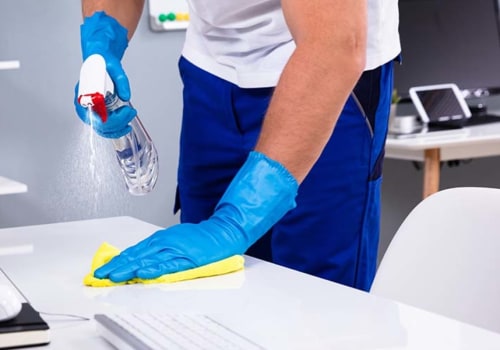
High-touch surfaces are the breeding grounds for germs and bacteria, making them a top priority during a deep clean. These include:- Desks and Workstations: Ensure that all surfaces are wiped down with disinfectant, paying special attention to keyboards, mice, and telephones.
- Light Switches and Door Handles: These frequently used items can easily transfer germs from one person to another. Use a suitable disinfectant to clean these surfaces thoroughly.
- Shared Equipment: Printers, copiers, and other communal devices should be cleaned regularly to prevent the spread of illness among staff.
Kitchen Areas
The kitchen is another critical area that requires meticulous attention during a deep clean. This space can quickly become a hotspot for bacteria if not properly maintained.Focus on:
- Countertops and Tables: Clean all surfaces with appropriate cleaning agents to remove food residues and prevent cross-contamination.
- Appliances: Don’t forget to clean inside microwaves, refrigerators, and dishwashers. These areas can accumulate spills and food particles that attract pests.
- Sinks: Regularly scrub sinks to eliminate soap scum and food debris, ensuring they remain hygienic.
Restrooms
The restroom is perhaps the most crucial area for deep cleaning due to its high potential for germ transmission. Key tasks include:- Toilets and Urinals: Use strong disinfectants to clean these fixtures thoroughly, ensuring they are free from stains and odours.
- Sinks and Counters: Regularly disinfect these surfaces to prevent the spread of bacteria.
- Floors: Mop floors with a disinfectant solution to eliminate any lingering germs.
Overlooked Office Spaces
Certain areas in the office are often overlooked during routine cleaning but can accumulate significant dust and dirt over time. These include:- Behind Furniture: Move desks and cabinets to clean behind them, as dust bunnies often gather in these hidden spots.
- Around Air Vents: Dust can accumulate around air vents, affecting air quality.
Ensure these are cleaned regularly.
- Corners and Baseboards: Don’t forget to dust corners and wipe down baseboards where dirt tends to collect.
Deep Cleaning Techniques and Best Practices
Deep cleaning your office requires a strategic approach, utilising effective cleaning techniques and adhering to best practices. Here are some essential methods and recommendations to ensure a thorough clean.1.Develop a Cleaning Schedule
Establishing a regular cleaning schedule is vital for maintaining cleanliness. A deep clean should be performed at least twice a year, but you can also incorporate monthly or quarterly tasks to keep dirt and grime at bay.This schedule should include:
- Dusting high and low surfaces
- Cleaning windows and blinds
- Sanitising shared equipment like printers and copiers
- Deep cleaning carpets and upholstery
- Organising storage areas and filing systems
2.Use the Right Tools and Products
Selecting appropriate tools and cleaning products is crucial for effective deep cleaning. Consider the following:- Microfiber Cloths: These are excellent for dusting and wiping surfaces without leaving lint behind.
- Vacuum Cleaners: Invest in a vacuum with HEPA filters to trap allergens and dust particles effectively.
- Disinfectants: Use EPA-approved disinfectants that are effective against a broad spectrum of pathogens, especially in high-touch areas.
- Steam Cleaners: These can be particularly useful for sanitising carpets, upholstery, and hard surfaces without harsh chemicals.
3.Focus on High-Touch Areas
High-touch areas in the office, such as doorknobs, light switches, and shared devices, require special attention during deep cleaning. Regularly sanitising these surfaces helps reduce the spread of germs. Implement a routine where these areas are cleaned daily, while deeper cleans can occur during your scheduled deep cleaning sessions.4.Organise Before You Clean
A clutter-free environment makes deep cleaning more efficient.Encourage employees to declutter their desks before the deep clean begins. This not only speeds up the process but also allows for a more thorough clean of all surfaces.
5.Train Your Cleaning Staff
If you employ a commercial cleaning service, ensure that they are trained in best practices for deep cleaning. They should be familiar with your office layout and specific needs, allowing them to tailor their approach effectively.By implementing these techniques and best practices, you can ensure that your office remains a clean, healthy environment conducive to productivity.The Role of Professional Cleaning Services in Deep Cleaning Your Office
When it comes to deep cleaning your office, enlisting the help of professional cleaning services can make a significant difference. These experts bring a wealth of knowledge and experience that can elevate the cleanliness and hygiene of your workspace to a level that regular cleaning simply cannot achieve.Expertise and Training
Professional cleaners are trained in the best practices for commercial cleaning.
They understand the specific needs of different types of office environments and are equipped with the skills to tackle even the most stubborn dirt and grime. Their expertise allows them to identify areas that require special attention, ensuring that every corner of your office is thoroughly cleaned.
Access to Advanced Equipment
One of the primary advantages of hiring professional cleaning services is their access to advanced cleaning equipment and products. These tools are often not available for general use and can significantly enhance the effectiveness of the cleaning process. For instance, high-powered vacuums, steam cleaners, and industrial-grade disinfectants can eliminate allergens, bacteria, and viruses more efficiently than standard cleaning supplies.
Time-Saving Benefits
Outsourcing your office deep cleaning allows your staff to focus on their core responsibilities without the distraction of cleaning tasks.
This not only boosts productivity but also ensures that your team can return to a clean and organised workspace without having to invest their time in maintaining it. Professional cleaners can work outside of regular business hours, minimising disruption to your daily operations.
Consistency and Reliability
Hiring a professional cleaning service provides consistency in cleanliness. With a scheduled deep clean, you can ensure that your office maintains a high standard of hygiene at all times. This reliability is crucial for creating a healthy work environment, which can lead to improved employee morale and productivity.
Health Benefits
A clean office is not just visually appealing; it also contributes to the overall health of your employees.
Professional cleaners use products that are effective against germs and allergens, reducing the risk of illness spreading through the workplace. This is particularly important in shared spaces where many people congregate.In conclusion, investing in professional cleaning services for deep cleaning your office is a wise decision that pays off in numerous ways. From expert knowledge and advanced equipment to time-saving benefits and improved health standards, these services provide invaluable support in maintaining a pristine work environment.
Maintaining a Clean Office After Deep Cleaning: Tips and Strategies
Once a thorough deep clean has been completed, maintaining that pristine condition is essential for fostering a productive and healthy work environment. Here are some effective strategies and daily habits to ensure your office remains tidy and welcoming.- Establish a Cleaning Schedule: Create a regular cleaning timetable that includes daily, weekly, and monthly tasks.
Assign specific responsibilities to team members to encourage accountability. For instance, designate one person to wipe down communal surfaces each day, while another can handle vacuuming or mopping on a weekly basis.
- Encourage Desk Organisation: Promote a culture of organisation by providing employees with tools such as drawer dividers, file organisers, and cable management solutions. Encourage them to declutter their desks at the end of each day, ensuring that only essential items remain visible.
- Implement a "Clean Desk" Policy: Consider adopting a clean desk policy where employees are required to clear their workspaces at the end of each day. This not only helps maintain cleanliness but also promotes focus and productivity.
- Utilise Proper Waste Management: Ensure that bins are conveniently located throughout the office and clearly labelled for recycling and general waste.
Regularly empty these bins to prevent overflow and unpleasant odours.
- Daily Surface Wipes: Keep disinfectant wipes readily available in common areas. Encourage staff to wipe down their desks, keyboards, and phones at the start or end of each day to minimise the spread of germs.
- Regularly Check Supplies: Maintain an inventory of cleaning supplies and ensure they are replenished regularly. Having the right tools on hand makes it easier for everyone to contribute to maintaining cleanliness.
- Promote Personal Responsibility: Encourage employees to take ownership of their personal space. Simple actions like returning items to their designated places after use can significantly reduce clutter.
A tidy workspace not only enhances aesthetics but also boosts morale and productivity among employees.
Conclusion: The Long-Term Benefits of Regular Deep Cleaning in Your Office Space
In conclusion, the significance of regular deep cleaning in your office cannot be overstated. As we have explored throughout this guide, a comprehensive approach to commercial cleaning not only enhances the aesthetic appeal of your workspace but also plays a crucial role in maintaining a healthy environment for employees.Deep cleaning goes beyond the surface, targeting hidden dirt and allergens that accumulate over time. This process is essential for:- Health and Safety: Regular deep cleaning reduces the risk of illness by eliminating germs, bacteria, and mould that can thrive in neglected areas. A clean office contributes to fewer sick days and promotes overall employee well-being.
- Enhanced Productivity: A tidy and organised workspace fosters a more productive atmosphere.
Employees are likely to feel more motivated and focused when they work in a clean environment, leading to improved performance and job satisfaction.
- Prolonging Office Assets: Regular deep cleaning helps maintain office furniture, carpets, and equipment. By investing in deep cleaning services, businesses can extend the lifespan of their assets, ultimately saving money in the long run.
- Positive Impressions: A clean office creates a welcoming environment for clients and visitors. First impressions matter, and a well-maintained space reflects professionalism and attention to detail.
It promotes health, boosts productivity, protects your assets, and enhances your company's image. By prioritising cleanliness, you create a thriving workplace that benefits both employees and clients alike.