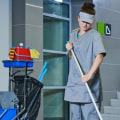
As the world continues to navigate the challenges posed by the COVID-19 pandemic, understanding the implications of Level 3 alerts becomes crucial for businesses, particularly those involved in commercial cleaning. Level 3 alerts signify a heightened state of caution, where the risk of virus transmission is considered significant. During this phase, strict guidelines are implemented to ensure public safety, affecting various sectors, including cleaning services. The importance of adhering to these guidelines cannot be overstated, as they are designed to protect both workers and the communities they serve.At Level 3, commercial cleaning operations must adapt to new protocols that prioritise health and safety.
This includes implementing comprehensive COVID-19 safety measures that align with government recommendations. Businesses are required to develop a detailed safety plan that outlines specific actions to mitigate risks associated with cleaning in environments where the virus may be present. Such plans not only safeguard employees but also reassure clients that their spaces are being maintained with the utmost care and attention to hygiene.The guidelines for commercial cleaning during Level 3 alerts encompass a range of practices aimed at minimising contact and enhancing sanitation. Cleaners are encouraged to wear appropriate personal protective equipment (PPE), maintain social distancing where possible, and employ rigorous cleaning and disinfecting protocols.
These measures are essential in reducing the likelihood of surface contamination and ensuring that high-touch areas receive special attention. By understanding these implications and adhering to established guidelines, commercial cleaners can operate effectively while contributing to the broader effort of controlling the spread of COVID-19.
The Role of Commercial Cleaners During a Pandemic
During a pandemic, the role of commercial cleaners becomes increasingly vital in safeguarding public health. Their responsibilities extend beyond mere cleaning; they are essential in implementing rigorous hygiene protocols that help mitigate the spread of infectious diseases. As the custodians of cleanliness in various environments, commercial cleaners play a crucial part in ensuring that spaces are not only visually appealing but also safe for occupants.One of the primary responsibilities of commercial cleaners during a pandemic is to conduct thorough disinfection of high-touch surfaces.These include areas such as:
- Door handles
- Light switches
- Elevator buttons
- Restroom fixtures
- Shared equipment and tools
Training and adherence to safety protocols
are also essential components of a commercial cleaner's role during a pandemic. Cleaners must be equipped with personal protective equipment (PPE) such as gloves, masks, and face shields to protect themselves while performing their duties.
Furthermore, they should receive training on proper hygiene practices, including handwashing techniques and the safe handling of cleaning chemicals.The importance of cleaning services cannot be overstated in the context of public health. Regular and effective cleaning not only helps to prevent outbreaks but also instills confidence among employees and customers alike. Businesses that prioritise cleanliness demonstrate their commitment to health and safety, which can enhance their reputation and customer loyalty.In summary, commercial cleaners are on the front lines during a pandemic, playing an indispensable role in maintaining hygiene standards. Their efforts contribute significantly to creating safer environments, ultimately helping to protect communities from the spread of infectious diseases.
Government Guidelines for Commercial Cleaning at Level 3
During Level 3 alerts, it is crucial for commercial cleaning companies to adhere to specific government guidelines to ensure the safety of both their staff and the public.These guidelines are designed to mitigate the risks associated with COVID-19 while allowing essential cleaning services to continue operating.
1.Development of a COVID-19 Safety Plan
- Every commercial cleaning business must create a comprehensive COVID-19 safety plan. This plan should detail the measures that will be implemented to reduce the risk of virus transmission.
- The safety plan must include protocols for social distancing, personal protective equipment (PPE), and hygiene practices.
- Regular reviews and updates of the safety plan are necessary to align with any changes in government regulations or public health advice.
2.Personal Protective Equipment (PPE)
- All cleaning staff should be equipped with appropriate PPE, including masks, gloves, and face shields, as necessary.
- Training on the correct use and disposal of PPE is essential to ensure maximum protection for employees.
3.Hygiene and Cleaning Protocols
- Commercial cleaners must implement rigorous cleaning and disinfecting protocols, focusing on high-touch surfaces such as door handles, light switches, and shared equipment.
- Use of approved disinfectants that are effective against COVID-19 is mandatory. The Environmental Protection Agency (EPA) provides a list of suitable products.
- Cleaning schedules should be adjusted to allow for more frequent disinfection during Level 3 alerts.
4.Training and Communication
- Staff should receive training on new cleaning protocols and safety measures to ensure compliance with government guidelines.
- Regular communication regarding updates in regulations or safety practices is vital for maintaining a safe working environment.
5.Monitoring Compliance
- It is important for management to monitor adherence to the safety plan and make adjustments as necessary based on feedback from staff and changes in government guidance.
- Conducting regular audits can help identify areas for improvement in compliance with health and safety regulations.
Creating a COVID-19 Safety Plan for Cleaning Operations
Creating a comprehensive COVID-19 safety plan is essential for commercial cleaning operations, especially during heightened alert levels. This plan not only safeguards the health of cleaning staff but also reassures clients that their environments are being managed with the utmost care and responsibility.1.Conduct a Risk Assessment
- Identify potential hazards in the workplace, including high-touch surfaces such as doorknobs, light switches, and shared equipment.
- Evaluate the likelihood of exposure to COVID-19 based on the nature of the cleaning tasks and the environment.
- Consider the number of people present in the area during cleaning operations and their compliance with health guidelines.
2.Develop Mitigation Strategies
- Social Distancing: Ensure that cleaning staff maintain a safe distance from each other and any occupants of the premises.
This may involve scheduling cleaning times when fewer people are present.
- Personal Protective Equipment (PPE): Equip staff with appropriate PPE, including masks, gloves, and face shields, to minimise exposure risk.
- Hygiene Practices: Implement strict hand hygiene protocols, encouraging regular handwashing and the use of hand sanitiser before and after cleaning tasks.
3.Regular Training and Communication
- Provide ongoing training for all cleaning staff on updated COVID-19 safety protocols and best practices.
- Establish clear communication channels to inform staff about any changes in government regulations or company policies related to COVID-19.
4.Documentation and Review
- Create a written document outlining all aspects of the safety plan, including risk assessments, mitigation strategies, and training records.
- Regularly review and update the safety plan to reflect new information or changes in guidelines from health authorities.
Essential Safety Measures for Commercial Cleaners
As commercial cleaners operate during Level 3 alerts, implementing essential safety measures is paramount to ensure the health and safety of both staff and clients. These measures not only protect individuals but also contribute to the broader effort of reducing the spread of COVID-19.Personal Protective Equipment (PPE)
- Face Masks: All cleaners should wear appropriate face masks to minimise the risk of airborne transmission. Masks should cover both the nose and mouth securely.
- Gloves: Disposable gloves must be worn when handling cleaning products or cleaning potentially contaminated surfaces. It is crucial to change gloves frequently and dispose of them properly.
- Goggles or Face Shields: In situations where there is a risk of splashes from cleaning agents, goggles or face shields should be used to protect the eyes.
- Protective Gowns: For high-risk areas, wearing disposable or washable gowns can provide an additional layer of protection against contamination.
Social Distancing Practices
Maintaining social distance is vital in preventing the spread of the virus.
Commercial cleaners should:
- Avoid close contact with others whenever possible, keeping at least two metres apart from colleagues and clients.
- Schedule cleaning tasks during off-peak hours to minimise interaction with other personnel or building occupants.
- Utilise technology for communication, such as mobile apps or messaging services, to reduce face-to-face interactions.
Proper Hygiene Protocols
Adhering to strict hygiene practices is essential for commercial cleaners. This includes:
- Hand Hygiene: Cleaners should wash their hands thoroughly with soap and water for at least 20 seconds after removing gloves and before eating or drinking. When soap and water are unavailable, an alcohol-based hand sanitiser should be used.
- Regular Cleaning of Equipment: All cleaning tools and equipment should be disinfected regularly, especially after use in high-touch areas.
- Surface Disinfection: High-contact surfaces such as doorknobs, light switches, and elevator buttons should be cleaned and disinfected frequently throughout the day.
Training Staff on COVID-19 Safety Protocols
In the context of commercial cleaning during Level 3 alerts, training staff on COVID-19 safety protocols is paramount.This training not only ensures compliance with government regulations but also fosters a culture of safety and responsibility among team members. A well-informed workforce is essential for maintaining hygiene standards and minimising the risk of virus transmission.To effectively train staff, companies should focus on several key areas:
- Understanding COVID-19: Staff should be educated about the virus, including how it spreads and the symptoms associated with infection. This knowledge empowers cleaners to take the situation seriously and understand the importance of their role in preventing outbreaks.
- Personal Protective Equipment (PPE): Training must cover the correct use of PPE, such as masks, gloves, and face shields. Employees should learn when to wear these items, how to put them on and take them off safely, and the importance of disposing of them properly.
- Hygiene Practices: Emphasising proper hand hygiene is crucial.
Staff should be trained on effective handwashing techniques and the appropriate use of hand sanitiser. Regular reminders about hygiene practices can help reinforce these behaviours.
- Cleaning Protocols: Staff must be well-versed in enhanced cleaning procedures, including the frequency of cleaning high-touch surfaces and the types of disinfectants that are effective against COVID-19. Training should include practical demonstrations to ensure that all team members can perform these tasks correctly.
- Social Distancing Measures: It is essential to instruct staff on maintaining social distancing while working, especially in shared spaces or when interacting with clients. This includes understanding how to manage their work schedules to minimise contact with others.
- Initial Training Sessions: Conduct comprehensive training for all new hires before they begin work.
- Refresher Courses: Schedule periodic refresher courses to keep staff updated on any changes in guidelines or best practices.
- Feedback Mechanisms: Encourage staff to provide feedback on training effectiveness and suggest areas for improvement.
This commitment to safety will ultimately contribute to the overall health and well-being of both employees and clients alike.
Cleaning and Disinfecting Procedures During Level 3 Alerts
During Level 3 alerts, it is crucial for commercial cleaners to implement rigorous cleaning and disinfecting procedures to mitigate the risk of infection from contaminated surfaces. The following guidelines outline effective methods to ensure a safe environment for both cleaning staff and building occupants.1.Preparation and Planning
- Before commencing any cleaning operations, it is essential to develop a comprehensive cleaning plan that adheres to government guidelines. This plan should detail the specific areas to be cleaned, the frequency of cleaning, and the types of disinfectants to be used.
- Ensure that all cleaning staff are trained in the latest safety protocols and understand the importance of personal protective equipment (PPE) such as gloves, masks, and eye protection.
2.Cleaning Procedures
- Initial Cleaning: Begin by removing any visible dirt or debris from surfaces using soap and water. This step is vital as it prepares surfaces for effective disinfection.
- Focus on High-Touch Areas: Pay special attention to high-touch surfaces such as doorknobs, light switches, handrails, and shared equipment.
These areas should be cleaned more frequently due to their potential for contamination.
- Use Appropriate Cleaning Agents: Select cleaning agents that are effective against viruses and bacteria. Ensure that these products are suitable for the surfaces being cleaned to avoid damage.
3.Disinfecting Surfaces
- Selecting Disinfectants: Use disinfectants that meet the required standards for efficacy against pathogens. Look for products that are listed on government-approved lists or those that have been tested against specific viruses.
- Application Techniques: Apply disinfectants according to the manufacturer's instructions. This may involve using a spray bottle or cloth, ensuring even coverage on all surfaces.
- Contact Time: Allow disinfectants to remain on surfaces for the recommended contact time to ensure maximum effectiveness.
This is crucial for killing any lingering pathogens.
4.Post-Cleaning Protocols
- Waste Disposal: Dispose of any used cleaning materials, such as wipes or cloths, in accordance with local regulations regarding hazardous waste.
- Hand Hygiene: After completing cleaning tasks, staff should wash their hands thoroughly with soap and water or use an alcohol-based hand sanitiser.
- Regular Training Updates: Conduct regular training sessions to keep staff informed about new cleaning techniques and updates in safety protocols as guidelines evolve during Level 3 alerts.
Challenges Faced by Commercial Cleaners During Level 3 Alerts
During Level 3 alerts, commercial cleaners encounter a myriad of challenges that can significantly impact their operations. Understanding these challenges is crucial for developing effective strategies to maintain safety and efficiency in cleaning services.Operational Difficulties
- Staff Shortages: One of the primary challenges faced by cleaning companies is the potential for staff shortages due to illness or quarantine requirements. This can lead to reduced workforce capacity, making it difficult to meet cleaning demands.
- Increased Safety Protocols: The implementation of enhanced safety measures, such as social distancing and the use of personal protective equipment (PPE), can slow down cleaning processes. Cleaners must adapt to these protocols while ensuring thorough disinfection of surfaces.
- Supply Chain Disruptions: Access to cleaning supplies and disinfectants may be limited during Level 3 alerts.
Companies must navigate supply chain disruptions, which can hinder their ability to procure necessary materials for effective cleaning.
- Client Concerns: Many clients may have heightened concerns about safety and hygiene, leading to increased scrutiny of cleaning practices. Commercial cleaners must be prepared to address these concerns and demonstrate their commitment to maintaining a safe environment.
Pandemic Impact on Cleaning Services
The COVID-19 pandemic has fundamentally altered the landscape of the cleaning industry. As businesses adapt to new norms, commercial cleaners must also evolve their services:
- Shift in Demand: There has been a noticeable shift in demand for cleaning services, with an increased focus on deep cleaning and sanitisation. Cleaners must be equipped to handle these requests while adhering to safety guidelines.
- Training and Education: Ongoing training is essential for staff to stay updated on the latest cleaning protocols and safety measures.
Companies should invest in training programs that emphasise proper hygiene practices and the correct use of PPE.
- Communication with Clients: Clear communication with clients regarding safety measures and cleaning protocols is vital. Providing transparency about the steps taken to ensure a safe environment can help build trust and confidence.
Conclusion: Ensuring Safe Commercial Cleaning Practices During Level 3 Alerts
In conclusion, the ability for commercial cleaners to operate safely during Level 3 alerts hinges on their commitment to following established safety protocols and government guidelines. As we have explored, the risk of infection from surfaces can be mitigated through diligent cleaning and disinfecting practices, but this must be coupled with a comprehensive understanding of the current health landscape.To ensure the safety of both cleaning staff and the public, it is essential for companies to develop a robust COVID-19 safety plan. This plan should encompass:- Risk Assessment: Identifying potential hazards associated with cleaning operations and implementing strategies to mitigate these risks.
- Training: Providing thorough training for all staff on hygiene practices, the correct use of personal protective equipment (PPE), and the importance of social distancing.
- Regular Communication: Keeping all employees informed about any changes in government regulations or company policies related to health and safety.
- Cleaning Protocols: Establishing clear procedures for cleaning and disinfecting high-touch surfaces frequently, as well as ensuring that all cleaning agents used are effective against viruses.
This involves encouraging employees to voice concerns about safety practices and ensuring that they feel supported in adhering to guidelines. By prioritising health and safety, companies not only protect their workforce but also contribute to the broader community's efforts in combating the spread of COVID-19.Ultimately, by adhering to these guidelines and maintaining a proactive approach, commercial cleaners can operate effectively during Level 3 alerts while safeguarding the health of their employees and clients alike. The commitment to safe practices will not only enhance the reputation of cleaning services but also play a vital role in public health during these challenging times.