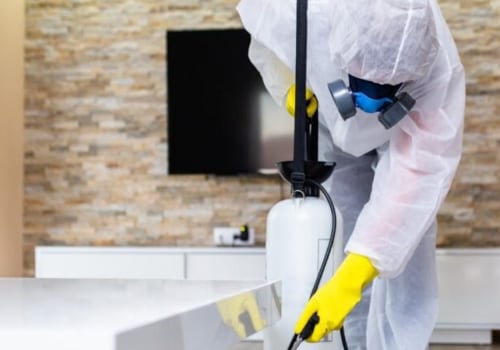
The commercial cleaning industry has witnessed remarkable growth over the past few years, driven by an increasing demand for cleanliness and hygiene in various sectors. As businesses and organisations recognise the importance of maintaining a clean environment, the need for professional cleaning services has surged. This trend is not merely a response to aesthetic preferences; it is also a crucial aspect of health and safety regulations, particularly in industries such as healthcare, food service, and education. The commercial cleaning sector encompasses a wide range of services, from routine office cleaning to specialised deep cleaning and sanitisation.One of the most appealing aspects of the cleaning industry is its versatility.
Entrepreneurs can choose to offer a variety of services tailored to different client needs. For instance, some may focus on janitorial services for corporate offices, while others might specialise in post-construction clean-up or carpet cleaning. This diversity not only allows for a broad customer base but also enables business owners to adapt their offerings based on market demands. Furthermore, with the rise of eco-friendly products and sustainable practices, there are additional opportunities for businesses to differentiate themselves in a competitive landscape.As we delve deeper into the profitability of commercial cleaning, it is essential to understand the various business opportunities available within this sector.
The low barrier to entry makes it an attractive option for aspiring entrepreneurs. With minimal initial investment required for equipment and supplies, many individuals find it feasible to start their own cleaning business from home. Additionally, as companies increasingly outsource their cleaning needs to focus on core operations, the potential for growth in this industry remains significant.In summary, the commercial cleaning industry presents a wealth of opportunities for those looking to enter the business world. With its steady demand and diverse service offerings, it stands as a promising avenue for profitability and success.
As we explore this topic further, we will uncover the key factors that contribute to a successful commercial cleaning venture and how you can position yourself effectively within this thriving market.
Market Demand for Commercial Cleaning Services
The demand for commercial cleaning services has seen a significant surge in recent years, driven by various factors that highlight the importance of cleanliness in both corporate and public spaces. As businesses increasingly recognise the value of maintaining a clean environment, the commercial cleaning sector is poised for continued growth.According to recent industry reports, the global commercial cleaning market is projected to reach approximately £74 billion by 2025, growing at a compound annual growth rate (CAGR) of around 6%. This growth can be attributed to several key trends:- Increased Health Awareness: The COVID-19 pandemic has heightened awareness regarding hygiene and sanitation. Businesses are now more committed than ever to ensuring their premises are clean and safe for employees and customers alike.
This shift has led to an uptick in demand for professional cleaning services that adhere to stringent health guidelines.
- Focus on Sustainability: Many companies are now prioritising eco-friendly cleaning solutions. The rise of green cleaning products and practices has created a niche market within the commercial cleaning sector, appealing to environmentally conscious businesses.
- Outsourcing Cleaning Services: More organisations are opting to outsource their cleaning needs rather than employing in-house staff. This trend allows businesses to focus on their core operations while ensuring that their facilities are maintained by professionals.
- Diverse Client Base: The commercial cleaning industry serves a wide range of sectors, including healthcare, education, retail, and hospitality. Each of these sectors has unique cleaning requirements, further driving demand for specialised services.
The introduction of automated cleaning equipment and software solutions for scheduling and management has made it easier for cleaning companies to operate efficiently and meet client expectations.In summary, the current landscape indicates a robust demand for commercial cleaning services, fuelled by health concerns, sustainability initiatives, outsourcing trends, and technological innovations. For entrepreneurs considering entering this market, understanding these dynamics is crucial for positioning their services effectively and capitalising on the growth opportunities available.
Types of Commercial Cleaning Services
In the realm of commercial cleaning, there exists a diverse array of services tailored to meet the unique needs of various industries. Understanding these different types can help you identify lucrative niches and expand your business offerings.Office Cleaning
Office cleaning is one of the most common types of commercial cleaning services. It typically involves regular cleaning tasks such as dusting, vacuuming, sanitising surfaces, and emptying bins.Many businesses require daily or weekly cleaning to maintain a professional environment for their employees and clients. This service can be tailored to fit the specific needs of each office, including:
- Daily Cleaning: Regular upkeep to ensure cleanliness and hygiene.
- Deep Cleaning: More thorough cleaning that may include carpet shampooing and window washing.
- Post-Construction Cleaning: Removing debris and dust after renovations or new builds.
Industrial Cleaning
Industrial cleaning services cater to factories, warehouses, and manufacturing facilities. These environments often require specialised equipment and techniques due to the presence of hazardous materials, heavy machinery, and large spaces. Key aspects of industrial cleaning include:- Equipment Cleaning: Ensuring machinery is free from dust and grime to maintain efficiency.
- Hazardous Waste Disposal: Safe removal of toxic substances in compliance with regulations.
- Floor Maintenance: Heavy-duty scrubbing and polishing of concrete or tiled floors.
Specialised Cleaning Services
Beyond standard office and industrial cleaning, there are numerous specialised services that can enhance your business portfolio.These include:
- Carpet and Upholstery Cleaning: Using steam cleaning or dry cleaning methods to refresh carpets and furniture.
- Window Cleaning: High-rise window cleaning requires trained professionals with the right equipment.
- Sanitisation Services: Especially relevant in the wake of health crises, these services focus on disinfecting surfaces to prevent the spread of germs.
- Event Cleanup: Providing post-event cleaning for venues after conferences, weddings, or parties.
Cost Analysis of Starting a Commercial Cleaning Business
Starting a commercial cleaning business requires careful financial planning and a clear understanding of the various costs involved. By breaking down these expenses, you can create a realistic budget that will help you gauge the profitability of your venture.Initial Startup Costs
The initial investment for a commercial cleaning business can vary significantly based on the scale of operations you intend to run. Here are some key components to consider:- Equipment: Depending on the services you offer, you may need to invest in various cleaning tools and machinery.
Basic equipment includes vacuum cleaners, mops, brooms, and cleaning solutions. For larger contracts, consider investing in industrial-grade equipment, which can range from £500 to £5,000.
- Supplies: Regular cleaning supplies such as detergents, disinfectants, and paper products will be ongoing expenses. Budget around £100 to £300 for initial stock, with monthly replenishments based on your workload.
- Insurance: Protecting your business with liability insurance is crucial. Costs can vary but expect to pay between £200 and £1,000 annually depending on coverage levels and business size.
- Licensing and Permits: Depending on your location, you may need specific licenses or permits to operate legally.
These can cost anywhere from £50 to several hundred pounds.
Ongoing Operational Costs
Once your business is up and running, there are several ongoing costs to factor into your budget:- Employee Wages: If you plan to hire staff, wages will be one of your largest expenses. Consider the minimum wage laws in your area and budget accordingly.
- Marketing Expenses: To attract clients, invest in marketing strategies such as online advertising, flyers, or networking events. A budget of £100 to £500 per month is reasonable for small businesses.
- Transportation Costs: If you need to travel between job sites, account for fuel and vehicle maintenance costs.
Budgeting for Profitability
A comprehensive understanding of these costs will enable you to set competitive pricing for your services while ensuring profitability. Calculate your total monthly expenses and determine how many jobs you need to complete at what rate to cover these costs and generate profit.Regularly reviewing your budget will help you adjust as necessary and keep your business financially healthy.
Pricing Strategies for Commercial Cleaning Services
Setting the right prices for your commercial cleaning services is crucial for ensuring profitability while remaining competitive in the market. A well-thought-out pricing strategy not only helps you cover your costs but also positions your business as a reliable choice for potential clients. Here are some effective strategies to consider when determining your pricing.Understanding Your Costs
Before you can set competitive rates, it’s essential to have a clear understanding of all your operational costs. This includes:- Labour Costs: Calculate wages for yourself and any employees, including taxes and benefits.
- Equipment and Supplies: Factor in the cost of cleaning products, tools, and equipment maintenance.
- Insurance: Include premiums for liability insurance and any other necessary coverage.
- Marketing Expenses: Consider costs associated with advertising, website maintenance, and promotional materials.
Researching Competitor Pricing
To remain competitive, it’s vital to research what other commercial cleaning companies in your area are charging.This will give you insight into the market rates and help you position your services accordingly. Consider the following:
- Service Types: Different services may command different rates. For instance, deep cleaning may be priced higher than standard cleaning.
- Client Type: Corporate clients may have different budget expectations compared to small businesses or residential clients.
- Geographic Location: Prices can vary significantly based on location; urban areas often have higher rates than rural ones.
Implementing Flexible Pricing Models
A flexible pricing model can help you cater to various client needs while maximising profitability. Consider offering:- Hourly Rates: Ideal for one-off jobs or smaller contracts where the scope of work may vary.
- Flat Rates: Suitable for regular contracts where the scope is well-defined, providing clients with predictable costs.
- Paket Deals: Offer bundled services at a discounted rate to encourage clients to choose multiple services.
Adjusting Prices Based on Market Conditions
The cleaning industry can be influenced by various factors such as economic conditions, seasonal demand, and changes in client expectations.Regularly review your pricing strategy to ensure it aligns with current market conditions. For example:
- Seasonal Promotions: Offer discounts during slower months to attract new clients.
- Inflation Adjustments: Periodically review and adjust prices to account for rising costs of supplies and labour.
- Client Feedback: Use feedback from clients to assess whether your pricing reflects the value they perceive in your services.
Maximising Profitability in Commercial Cleaning
To truly maximise profitability in your commercial cleaning business, it is essential to adopt a multifaceted approach that encompasses operational efficiency, exceptional customer service, and effective client retention strategies. By focusing on these key areas, you can create a sustainable and profitable cleaning enterprise.Enhancing Operational Efficiency
Operational efficiency is the backbone of any successful cleaning business. Here are several strategies to improve your operations:- Streamline Processes: Evaluate your current cleaning processes and identify areas where you can reduce time and effort.
Implementing standard operating procedures (SOPs) can help ensure consistency and speed up training for new employees.
- Invest in Quality Equipment: High-quality cleaning tools and products can significantly reduce the time spent on each job while improving results. Consider investing in commercial-grade equipment that enhances productivity.
- Utilise Technology: Leverage cleaning management software to schedule jobs, track employee performance, and manage inventory. This not only saves time but also provides valuable insights into your operations.
Exceptional Customer Service
Providing outstanding customer service is crucial for building a loyal client base. Here are some tips to enhance your customer interactions:- Train Your Staff: Ensure that your employees are well-trained not only in cleaning techniques but also in customer service skills.
A friendly and professional attitude can leave a lasting impression on clients.
- Communicate Effectively: Maintain open lines of communication with your clients. Regularly check in to gather feedback and address any concerns promptly. This shows that you value their input and are committed to their satisfaction.
- Personalise Services: Tailor your services to meet the specific needs of each client. Offering customised cleaning plans can enhance customer satisfaction and encourage long-term contracts.
Client Retention Strategies
Retaining clients is often more cost-effective than acquiring new ones.Here are some strategies to keep your customers coming back:
- Loyalty Programs: Consider implementing a loyalty program that rewards repeat customers with discounts or additional services. This can incentivise them to continue using your services.
- Regular Follow-Ups: After completing a job, follow up with clients to ensure they are satisfied with the service provided. This not only shows that you care but also opens the door for future bookings.
- Solicit Feedback: Actively seek feedback from clients about their experiences. Use this information to make improvements and demonstrate that you are committed to providing the best possible service.
Remember, a successful cleaning business is not just about providing a service; it’s about creating value for your customers and ensuring their satisfaction at every step of the way.
Challenges Faced by Commercial Cleaning Businesses
Operating a commercial cleaning business can be rewarding, but it is not without its challenges. Understanding these obstacles is crucial for long-term success and profitability. Below are some common challenges faced by commercial cleaning businesses, along with strategies to overcome them.- High Competition: The commercial cleaning industry is saturated with numerous service providers, making it difficult to stand out. To combat this, focus on building a strong brand identity and offering unique services that cater to specific niches, such as eco-friendly cleaning or specialised sanitisation services.
- Employee Turnover: The cleaning industry often experiences high employee turnover rates, which can disrupt service quality and increase training costs.
To mitigate this, invest in employee training and development programs, offer competitive wages, and create a positive work environment that encourages retention.
- Client Expectations: Clients may have high expectations regarding cleanliness and service quality. To manage these expectations, maintain open communication with clients about what your services entail and set realistic timelines for completion. Regular feedback sessions can also help align your services with client needs.
- Seasonal Demand Fluctuations: Demand for cleaning services can vary seasonally, leading to inconsistent revenue streams. To address this, diversify your service offerings to include seasonal promotions or contracts that ensure steady work throughout the year.
- Regulatory Compliance: The cleaning industry is subject to various regulations regarding health and safety standards.
Staying compliant can be challenging but is essential for avoiding fines and maintaining a good reputation. Regularly review local regulations and invest in training for your staff to ensure compliance with all necessary guidelines.
Case Studies: Successful Commercial Cleaning Businesses
Understanding the success stories of established commercial cleaning businesses can provide invaluable insights for aspiring entrepreneurs in this industry. Here, we explore a few notable case studies that highlight effective strategies and best practices.Case Study 1: CleanCo Solutions
Founded in 2010, CleanCo Solutions began as a small operation focusing on office cleaning in London.The company quickly gained traction by implementing a customer-centric approach. They prioritised client feedback, which allowed them to tailor their services to meet specific needs. This adaptability led to a 30% increase in client retention rates within the first year.Moreover, CleanCo invested in eco-friendly cleaning products, appealing to environmentally conscious businesses. This decision not only differentiated them from competitors but also attracted a niche market willing to pay a premium for sustainable services.
As a result, CleanCo Solutions expanded its service offerings to include specialised cleaning for medical facilities and educational institutions, further boosting profitability.
Case Study 2: Sparkle & Shine
Sparkle & Shine is another exemplary commercial cleaning business that has thrived since its inception in 2015. Based in Manchester, the company focused on leveraging technology to streamline operations. By adopting advanced scheduling and invoicing software, they reduced administrative overhead and improved service delivery efficiency.Their marketing strategy included a strong online presence, utilising social media platforms to showcase before-and-after photos of their work. This visual marketing approach not only attracted new clients but also built trust within the community. Within three years, Sparkle & Shine reported a revenue growth of over 150%, demonstrating the effectiveness of their innovative strategies.Case Study 3: Premier Cleaners
Premier Cleaners, established in 2008, has carved out a niche in the high-end commercial cleaning sector.Their focus on luxury offices and high-profile clients necessitated an exceptional level of service and professionalism. To maintain high standards, they implemented rigorous training programs for their staff, ensuring that every employee was equipped with the skills necessary to meet client expectations.This commitment to quality resulted in numerous referrals and long-term contracts with prestigious companies. Premier Cleaners also emphasised building strong relationships with clients through regular check-ins and satisfaction surveys, which helped them adapt their services proactively.These case studies illustrate that success in the commercial cleaning industry is achievable through a combination of customer focus, innovation, and quality service. By learning from these examples, new entrants can develop strategies that not only enhance profitability but also foster long-lasting client relationships.
Future Trends in the Commercial Cleaning Industry
The commercial cleaning industry is undergoing significant transformations, driven by technological advancements, changing consumer preferences, and heightened awareness of health and hygiene.Understanding these future trends is essential for business owners looking to enhance profitability and maintain a competitive edge.
1.Increased Demand for Green Cleaning Solutions
As environmental concerns continue to rise, more businesses are seeking sustainable cleaning solutions. This trend is not just about using eco-friendly products; it encompasses a holistic approach to cleaning that reduces waste and energy consumption. Companies that adopt green cleaning practices can attract environmentally conscious clients and potentially charge premium rates for their services.2.Integration of Technology
The integration of technology in the commercial cleaning sector is revolutionising operations. From automated cleaning machines to advanced scheduling software, technology enhances efficiency and service quality.For instance, robotic cleaners can perform routine tasks, allowing human staff to focus on more complex cleaning jobs. Additionally, using cleaning management software can streamline operations, improve communication with clients, and facilitate better tracking of service quality.
3.Focus on Health and Hygiene
The COVID-19 pandemic has permanently altered perceptions of cleanliness in commercial spaces. Businesses are now prioritising health and hygiene more than ever before. This shift has led to an increased demand for deep cleaning services, particularly in high-touch areas.Companies that can offer specialised sanitisation services will likely see a surge in demand as clients seek to ensure the safety of their employees and customers.
4.Customisation of Services
Clients are increasingly looking for tailored cleaning solutions that meet their specific needs. This trend towards customisation allows cleaning companies to differentiate themselves in a crowded market. By offering bespoke packages that cater to the unique requirements of different industries—such as healthcare, education, or hospitality—cleaning businesses can enhance customer satisfaction and loyalty.5.Workforce Development and Training
The success of a commercial cleaning business heavily relies on the skills and professionalism of its workforce. As the industry evolves, ongoing training and development will become crucial.Investing in employee training not only improves service quality but also boosts employee morale and retention rates. Companies that prioritise workforce development will be better positioned to adapt to new trends and technologies.In conclusion, staying informed about these emerging trends in the commercial cleaning industry is vital for business owners aiming to maximise profitability. By embracing sustainability, leveraging technology, focusing on health standards, offering customised services, and investing in workforce training, companies can ensure they remain competitive in this dynamic market.
Conclusion: Is Commercial Cleaning Profitable?
In conclusion, the question of whether commercial cleaning is profitable can be answered with a resounding yes, provided that entrepreneurs approach the business with careful planning and strategic execution. Throughout this guide, we have explored various facets of the commercial cleaning industry, highlighting its potential for profitability and growth.One of the most significant advantages of entering the commercial cleaning sector is the low barrier to entry.With minimal startup costs and a flexible business model, aspiring cleaners can quickly establish their operations. By offering a range of services tailored to different client needs—from office cleaning to specialised sanitation—business owners can tap into diverse revenue streams.Moreover, understanding the local market dynamics is crucial. By conducting thorough research on competitors and pricing strategies, you can position your services competitively while ensuring profitability. As demand for cleaning services continues to rise, especially in a post-pandemic world where hygiene is paramount, there are ample opportunities for growth.Investing in quality equipment and training for your staff will not only enhance service delivery but also improve customer satisfaction.
Happy clients are more likely to become repeat customers and refer your services to others, creating a sustainable business model.Additionally, leveraging technology through cleaning management software can streamline operations, making it easier to manage schedules, invoices, and customer relationships. This efficiency can lead to increased productivity and ultimately higher profits.In summary, with the right approach—focusing on quality service, effective marketing, and operational efficiency—a commercial cleaning business can indeed be a lucrative venture. As you embark on this journey, remember that success in this industry is not just about cleaning; it’s about building relationships and delivering value to your clients.