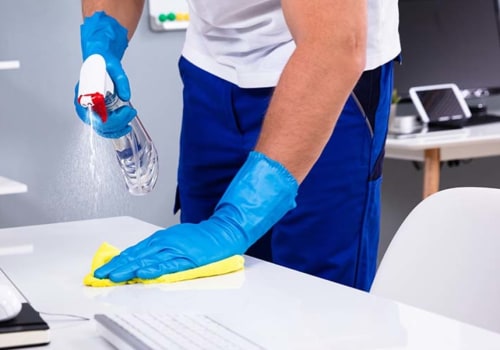
A cleaning service agreement serves as a foundational document in the realm of commercial cleaning, establishing a clear understanding between the service provider and the client. This agreement is not merely a formality; it is a crucial tool that delineates the scope of work, payment terms, and responsibilities of both parties involved. In an industry where trust and reliability are paramount, having a well-structured agreement can significantly enhance the professional relationship and ensure that expectations are met.In the competitive landscape of commercial cleaning contracts, understanding the nuances of these agreements can set a business apart from its competitors. A comprehensive cleaning service agreement typically includes details such as the frequency of cleaning, specific tasks to be performed, and any additional services that may be required.
For instance, while standard cleaning tasks like vacuuming and dusting are essential, many clients may also seek specialised services such as carpet cleaning or window washing. By clearly outlining these services in the agreement, both parties can avoid misunderstandings and ensure satisfaction.Moreover, a well-crafted cleaning service agreement can serve as a protective measure for both the client and the service provider. It can include clauses related to liability, insurance requirements, and termination conditions, which are vital in safeguarding against potential disputes. As businesses increasingly recognise the importance of maintaining clean and hygienic environments, having a solid agreement in place not only fosters trust but also enhances the credibility of the cleaning service provider.As we delve deeper into this topic, we will explore how to effectively find commercial cleaning contracts, highlighting strategies that can help cleaning companies secure lucrative opportunities while ensuring compliance with industry standards.
Understanding the significance of a cleaning service agreement is just the beginning; it is equally important to navigate the complexities of acquiring contracts that align with your business goals.
What is a Cleaning Service Agreement?
A cleaning service agreement is a formal contract that establishes the terms and conditions between a cleaning service provider and their client. This document serves as a crucial framework for the relationship, ensuring that both parties have a clear understanding of their obligations and expectations. By defining the scope of work, payment terms, and responsibilities, a cleaning service agreement helps to prevent misunderstandings and disputes.At its core, a cleaning service agreement typically includes several key components:- Services Provided: This section outlines the specific cleaning tasks that will be performed. It may include general cleaning duties such as dusting, vacuuming, mopping, and sanitising surfaces, as well as specialised services like carpet cleaning or window washing.
Clearly defining these services helps to set expectations for both the client and the cleaning provider.
- Payment Terms: The agreement should specify how much the client will pay for the services rendered, including details on payment frequency (e.g., weekly, bi-weekly, or monthly) and accepted payment methods. Additionally, it may outline any penalties for late payments or conditions under which prices may change.
- Duration of Agreement: This component indicates the length of time the agreement will be in effect. It may be a fixed term or ongoing until either party decides to terminate it. Including renewal terms can also be beneficial.
- Responsibilities of Both Parties: The agreement should clearly delineate the responsibilities of both the cleaning service provider and the client.
For instance, while the provider is responsible for delivering quality cleaning services, the client may need to ensure access to the premises and provide necessary supplies or equipment.
- Liability and Insurance: This section addresses liability issues, specifying who is responsible for damages or injuries that may occur during the cleaning process. It is advisable for cleaning companies to carry insurance to protect against potential claims.
- Termination Clause: A well-drafted agreement should include conditions under which either party can terminate the contract. This could involve notice periods or specific reasons for termination.
Key Components of a Cleaning Service Agreement
A well-structured cleaning service agreement is essential for both the service provider and the client, as it sets clear expectations and responsibilities.Here are the key components that should be included in any cleaning service agreement:
- Scope of Work: This section outlines the specific cleaning tasks to be performed. It should detail the areas to be cleaned, such as offices, restrooms, kitchens, and common areas, along with the frequency of these services (e.g., daily, weekly, or monthly). Clearly defining the scope helps prevent misunderstandings and ensures that both parties are aligned on what is expected.
- Duration of Agreement: The agreement should specify the start date and duration of the contract. It may be a fixed term (e.g., one year) or ongoing until terminated by either party.
Including renewal terms can also be beneficial, allowing for automatic extensions unless either party opts out.
- Payment Terms: This section should detail how much the client will pay for the services rendered, including payment schedules (e.g., weekly, bi-weekly, or monthly). It’s important to specify acceptable payment methods and any late fees that may apply if payments are not made on time.
- Termination Clause: A clear termination clause is vital for protecting both parties. This should outline the conditions under which either party can terminate the agreement, such as failure to meet service standards or non-payment. It’s also wise to include a notice period that must be adhered to before termination takes effect.
- Liability and Insurance: The agreement should stipulate that the cleaning service provider carries adequate insurance coverage to protect against potential damages or accidents that may occur during cleaning.
This reassures clients that they are protected in case of unforeseen incidents.
- Confidentiality Clause: If the cleaning service will have access to sensitive information or areas within a business, a confidentiality clause can help protect proprietary information and ensure trust between both parties.
Types of Commercial Cleaning Services
When it comes to commercial cleaning, businesses have a variety of options tailored to their specific needs. Understanding the different types of commercial cleaning services available can help organisations make informed decisions about which services best suit their operational requirements.1.Office Cleaning
Office cleaning is one of the most common types of commercial cleaning services. This service typically includes:
- Dusting and wiping surfaces
- Vacuuming carpets and mopping floors
- Cleaning restrooms and kitchen areas
- Emptying bins and disposing of waste
- Window cleaning (interior)
2.Industrial Cleaning
Industrial cleaning services cater to factories, warehouses, and manufacturing facilities.
These environments often require specialised cleaning techniques due to the presence of hazardous materials, heavy machinery, and large spaces. Key aspects include:
- Deep cleaning of machinery and equipment
- Removal of industrial waste and debris
- Floor scrubbing and maintenance
- High-pressure washing for exterior surfaces
- Compliance with health and safety regulations
3.Medical Facility Cleaning
Cleaning services for medical facilities, such as hospitals and clinics, require a high level of expertise due to stringent hygiene standards. Services typically include:
- Sterilisation of surgical rooms
- Disinfection of patient areas and waiting rooms
- Proper disposal of medical waste
- Cleaning of specialised equipment
- Regular inspections to ensure compliance with health regulations
4.Retail Cleaning
Retail environments require consistent cleaning to create an inviting atmosphere for customers. Services may include:
- Dusting shelves and displays
- Mopping floors and maintaining fitting rooms
- Window washing for storefronts
- Cleansing restrooms for customer use
- Post-event clean-up after sales or promotions
5.Specialised Cleaning Services
Certain industries may require specialised cleaning services that go beyond standard offerings.
Examples include:
- Carpet Cleaning: Deep cleaning carpets using steam or dry-cleaning methods.
- Post-Construction Cleaning: Removing dust, debris, and residues left after construction or renovation projects.
- Green Cleaning: Utilising eco-friendly products to minimise environmental impact.
- Cleaning for Events: Preparing venues before events and ensuring cleanliness during and after.
How to Find Commercial Cleaning Contracts
Finding commercial cleaning contracts can be a challenging yet rewarding endeavour for cleaning service providers. To successfully secure these contracts, it is essential to employ a variety of strategies that enhance visibility and build relationships within the community.Networking Effectively
One of the most effective ways to find commercial cleaning contracts is through networking. Attend local business events, trade shows, and community gatherings where you can meet potential clients face-to-face. Building relationships with local business owners can lead to referrals and recommendations.Consider joining local chambers of commerce or business associations, as these platforms often provide opportunities to connect with other professionals.
Utilising Online Platforms
The digital landscape offers numerous platforms where cleaning services can find commercial contracts. Websites such as Thumbtack, HomeAdvisor, and Bark allow service providers to create profiles and bid on jobs posted by businesses seeking cleaning services. Additionally, consider leveraging social media platforms like LinkedIn to showcase your services and connect with decision-makers in various industries.Leveraging Local Business Relationships
Your existing relationships with local businesses can be a goldmine for securing commercial cleaning contracts. Reach out to businesses you already serve or have connections with, and inquire if they need additional cleaning services or know of other companies that do.Offering referral incentives can encourage your current clients to recommend your services to others.
Researching Potential Clients
Conduct thorough research on potential clients in your area. Identify businesses that may require regular cleaning services, such as offices, schools, and healthcare facilities. Understanding their specific needs will allow you to tailor your proposals effectively. Create a list of target companies and reach out with personalised pitches that highlight how your services can benefit them.Providing Competitive Proposals
When bidding for commercial cleaning contracts, ensure that your proposals are clear, detailed, and competitive.Outline the services you offer, pricing structures, and any unique selling points that set you apart from competitors. Be transparent about your insurance coverage and training protocols, as this builds trust with potential clients.By combining effective networking, utilising online resources, leveraging local relationships, conducting thorough research, and providing competitive proposals, you can significantly increase your chances of securing lucrative commercial cleaning contracts.
The Importance of Networking in the Cleaning Industry
In the competitive landscape of the commercial cleaning industry, networking emerges as a vital strategy for securing contracts and fostering long-term relationships. Building a robust network not only enhances your visibility but also establishes trust and credibility among potential clients and partners.One effective way to network is by attending industry-related events such as trade shows, conferences, and local business meetups. These gatherings provide an excellent platform to connect with other professionals, share insights, and discuss potential collaborations.Engaging in conversations at these events can lead to valuable referrals and partnerships that may not be accessible through traditional marketing methods.Another avenue for networking is leveraging social media platforms. Sites like LinkedIn are particularly beneficial for connecting with business owners and decision-makers in various industries. By sharing informative content related to commercial cleaning, you can position yourself as an expert in the field, attracting attention from those seeking cleaning services.Moreover, consider joining local business associations or chambers of commerce. These organisations often host networking events and provide resources that can help you connect with other businesses in your area.
Building relationships within these groups can lead to referrals and recommendations, which are crucial for expanding your client base.Additionally, maintaining strong relationships with existing clients is equally important. Regular communication, follow-ups, and feedback sessions can help you understand their evolving needs and expectations. Satisfied clients are more likely to refer your services to others, creating a ripple effect that can significantly boost your business.Lastly, don’t underestimate the power of word-of-mouth marketing. Encourage your clients to share their positive experiences with others.
You might consider implementing a referral program that rewards clients for bringing in new business. This not only incentivises them but also reinforces their loyalty to your services.In summary, effective networking in the commercial cleaning sector involves a multifaceted approach that includes attending events, utilising social media, joining local organisations, nurturing client relationships, and encouraging referrals. By investing time and effort into building these connections, you can significantly enhance your chances of acquiring lucrative cleaning contracts.
Understanding Pricing Strategies for Commercial Cleaning Services
When it comes to establishing a successful commercial cleaning business, understanding pricing strategies is crucial. The right pricing model not only attracts clients but also ensures that your business remains profitable.Here, we will explore various pricing strategies that can be employed by commercial cleaners.
1.Competitive Pricing
One of the most common strategies in the commercial cleaning industry is competitive pricing. This approach involves researching what other cleaning companies in your area charge for similar services and setting your prices accordingly. To implement this strategy effectively:
- Conduct thorough market research to identify the average rates for cleaning services in your locality.
- Consider the level of service you provide compared to competitors; if you offer superior quality or additional services, you may justify higher rates.
- Regularly review and adjust your prices based on market trends and competitor changes.
2.Value-Based Pricing
Value-based pricing focuses on the perceived value of your services rather than just the cost of providing them. This strategy requires a deep understanding of your clients' needs and how your services meet those needs.
To adopt value-based pricing:
- Identify the unique benefits your cleaning service offers, such as eco-friendly products or specialised cleaning techniques.
- Communicate these benefits clearly in your proposals and marketing materials to justify your pricing.
- Gather testimonials and case studies from satisfied clients to reinforce the value you provide.
3.Creating Attractive Proposals
Your pricing strategy should be complemented by well-crafted proposals that highlight the value of your services. When creating proposals:
- Be transparent about what is included in your pricing, detailing each service offered.
- Offer tiered pricing options that allow clients to choose packages based on their specific needs and budget.
- Include a clear breakdown of costs, so clients understand what they are paying for and why it is worth the investment.
Insurance and Liability Considerations for Cleaning Services
When operating a commercial cleaning business, understanding insurance and liability considerations is crucial for both the service provider and their clients. Having the right insurance coverage not only protects your business but also instills confidence in your clients, ensuring them that you are a responsible and trustworthy service provider.Types of Insurance Required for Cleaning Services
There are several types of insurance that cleaning services should consider:- General Liability Insurance: This is essential for any cleaning business.
It covers claims related to bodily injury or property damage that may occur during the cleaning process. For instance, if a client trips over your equipment and gets injured, this insurance can help cover medical expenses and legal fees.
- Workers' Compensation Insurance: If you employ staff, this insurance is often legally required. It provides coverage for employees who may get injured while on the job, ensuring they receive medical care and compensation for lost wages.
- Commercial Auto Insurance: If your cleaning business uses vehicles to transport staff or equipment, having commercial auto insurance is vital. This protects against accidents that may occur while driving for business purposes.
- Professional Liability Insurance: Also known as errors and omissions insurance, this type of coverage protects against claims of negligence or failure to deliver services as promised.
For example, if a client believes that your cleaning did not meet the agreed standards, this insurance can help defend against such claims.
The Importance of Insurance in Building Client Trust
Clients are more likely to choose a cleaning service that can demonstrate adequate insurance coverage. It serves as proof that you take your responsibilities seriously and are prepared for unforeseen circumstances. When bidding for contracts, showcasing your insurance can set you apart from competitors who may not have the same level of protection.Understanding Liability Risks
Every cleaning job comes with inherent risks. From potential damage to a client's property to the risk of employee injuries, understanding these liabilities is essential.By having comprehensive insurance coverage, you can mitigate these risks effectively.In conclusion, investing in the right insurance policies is not just a legal requirement; it is a strategic move that enhances your credibility and protects your business from potential financial losses. As you seek out commercial cleaning contracts, ensure that you have all necessary insurances in place to safeguard both your operations and your clients' interests.
Common Challenges in Securing Commercial Cleaning Contracts
Securing commercial cleaning contracts can be a challenging endeavour, particularly for new entrants in the industry. Understanding the common obstacles faced can help you devise effective strategies to overcome them and enhance your chances of success.One of the primary challenges is the intense competition within the commercial cleaning sector. With numerous companies vying for the same contracts, distinguishing your services becomes crucial.To tackle this, consider developing a unique selling proposition (USP) that highlights what sets your business apart. This could be exceptional customer service, eco-friendly cleaning products, or specialised services tailored to specific industries.Another significant hurdle is the requirement for comprehensive insurance and bonding. Many businesses will not consider a cleaning service that lacks adequate coverage, as this poses a risk to their property and employees. To mitigate this challenge, ensure that you invest in the necessary insurance policies and maintain up-to-date documentation.
This not only protects your business but also instils confidence in potential clients.Additionally, establishing trust and credibility can be difficult, especially for newcomers without a proven track record. Building relationships through networking is essential. Attend local business events, join industry associations, and engage with potential clients on social media platforms to foster connections. Consider offering free trials or discounted services to showcase your capabilities and build rapport.Pricing can also be a contentious issue when bidding for contracts.
Many businesses are looking for the best value for their money, which can lead to price wars among competitors. Instead of competing solely on price, focus on demonstrating the quality and reliability of your services. Providing detailed proposals that outline your cleaning processes, staff training, and quality assurance measures can help justify your pricing.Finally, understanding client expectations is vital. Miscommunication regarding service scope or frequency can lead to dissatisfaction and contract loss.
To avoid this pitfall, engage in thorough discussions with potential clients about their needs and preferences before finalising any agreements. Regular follow-ups and feedback sessions can also help ensure that you are meeting their expectations consistently.In summary, while there are several challenges in securing commercial cleaning contracts, being proactive in addressing these issues through strategic planning, effective communication, and relationship building can significantly enhance your chances of success in this competitive market.
<strong>Conclusion</strong>
In conclusion, understanding the intricacies of a cleaning service agreement and the process of securing commercial cleaning contracts is essential for anyone looking to thrive in the cleaning industry. A well-structured agreement not only protects both parties involved but also sets clear expectations regarding the services to be rendered, payment terms, and other critical details. This clarity fosters a professional relationship that can lead to long-term partnerships.As the demand for commercial cleaning services continues to grow, so does the competition.It is crucial for cleaning service providers to differentiate themselves by showcasing their unique offerings and demonstrating their commitment to quality. Networking plays a pivotal role in this regard; building relationships with local businesses and industry professionals can open doors to new opportunities. Engaging in community events or joining local business associations can enhance visibility and credibility.Moreover, having the right insurance coverage is not just a legal requirement but also a significant selling point. Prospective clients are more likely to trust a cleaning company that can provide proof of insurance, as it indicates financial responsibility and a commitment to safeguarding their property.
This aspect should not be overlooked when preparing proposals or during initial discussions with potential clients.When pursuing commercial cleaning contracts, it is vital to conduct thorough market research. Understanding what competitors offer in terms of services and pricing can help you position your business effectively. Tailoring your proposals to meet the specific needs of potential clients can significantly increase your chances of winning contracts.In summary, success in the commercial cleaning sector hinges on a combination of strategic planning, effective communication, and a commitment to excellence. By focusing on these areas, cleaning service providers can not only secure contracts but also build a reputation that leads to sustained growth and success in this competitive industry.