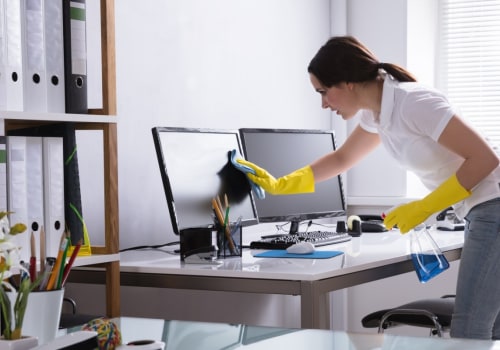
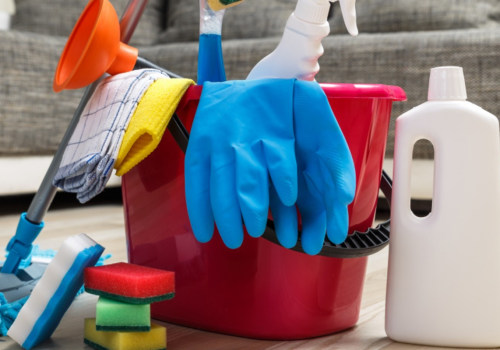
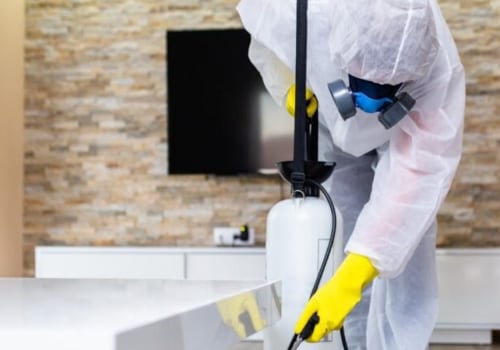
Understanding commercial cleaning is essential for businesses seeking to maintain a clean and professional environment. At its core, commercial cleaning refers to the comprehensive cleaning services provided to various commercial spaces, including offices, retail establishments, educational institutions, and healthcare facilities. Unlike residential cleaning, which focuses on individual homes, commercial cleaning encompasses a broader scope of work tailored to meet the unique needs of businesses and organisations.The primary purpose of commercial cleaning is to ensure that workplaces are not only visually appealing but also hygienic and safe for employees and customers alike. This involves a range of tasks that go beyond simple dusting and vacuuming.
Commercial cleaners are trained to handle specialised equipment and use industrial-grade cleaning products designed to tackle tough stains, deep clean carpets, and maintain hard surfaces. Their expertise allows them to address specific challenges that arise in high-traffic areas, ensuring that every corner of a facility is thoroughly cleaned and sanitised.Moreover, the scope of commercial cleaning can vary significantly depending on the type of business and its specific requirements. For instance, a medical facility may require stringent sanitisation protocols to prevent the spread of infections, while an office might focus on regular maintenance tasks such as waste disposal and surface disinfection. By hiring professional cleaners, businesses can customise their cleaning schedules and services to align with their operational needs, ensuring that they maintain a clean environment without disrupting daily activities.In summary, commercial cleaning is a vital service that plays a crucial role in maintaining the health and safety of various commercial spaces.
By understanding its definition and scope, businesses can make informed decisions about their cleaning needs and choose the right service providers to uphold their standards of cleanliness.
The Importance of Commercial Cleaning
In today’s competitive business landscape, the significance of commercial cleaning cannot be overstated. A clean and well-maintained environment is not just a matter of aesthetics; it plays a crucial role in the overall success of a business. Here are several key reasons why investing in professional cleaning services is essential for any organisation.Health Benefits
One of the primary advantages of commercial cleaning is the positive impact it has on health. Regular cleaning reduces the presence of allergens, dust, and harmful bacteria that can lead to illnesses among employees and customers alike.In workplaces where employees spend long hours, maintaining a clean environment can significantly decrease sick days and improve overall productivity.
Customer Impressions
The cleanliness of a business premises directly influences customer perceptions. A tidy and organised space creates a welcoming atmosphere, enhancing the customer experience. Whether it’s a retail store, office, or restaurant, first impressions matter. Customers are more likely to return to a business that prioritises cleanliness, as it reflects professionalism and attention to detail.Compliance with Regulations
Many industries are subject to strict health and safety regulations that mandate cleanliness standards.Failing to comply with these regulations can result in hefty fines or even closure. Professional commercial cleaning services are well-versed in these requirements and ensure that businesses meet all necessary standards, thus protecting them from potential legal issues.
Enhanced Employee Morale
A clean workplace contributes to higher employee morale. When employees work in a clean and organised environment, they feel valued and motivated. This can lead to increased job satisfaction and retention rates, ultimately benefiting the company’s bottom line.Cost-Effectiveness
While some businesses may view commercial cleaning as an unnecessary expense, it can actually be a cost-effective investment.Regular maintenance prevents the build-up of dirt and grime that can lead to costly repairs or replacements of equipment and furnishings. Additionally, outsourcing cleaning tasks allows employees to focus on their core responsibilities, improving overall efficiency.In conclusion, the importance of commercial cleaning extends far beyond mere appearances. It encompasses health benefits, customer satisfaction, regulatory compliance, employee morale, and cost-effectiveness. By prioritising professional cleaning services, businesses can create a safe and inviting environment that fosters growth and success.
Types of Commercial Cleaning Services
When it comes to commercial cleaning, businesses have a plethora of options tailored to meet their specific needs.Understanding the different types of commercial cleaning services available can help organisations make informed decisions about maintaining their premises. Below are some of the most common categories of commercial cleaning services:
- Office Cleaning: This is one of the most sought-after services, focusing on maintaining a clean and organised workspace. Office cleaning typically includes dusting, vacuuming, sanitising surfaces, and emptying bins. Regular office cleaning helps create a productive environment and leaves a positive impression on clients and employees alike.
- Industrial Cleaning: This type of cleaning is essential for factories, warehouses, and manufacturing facilities.
Industrial cleaning involves the removal of hazardous materials, deep cleaning of machinery, and ensuring compliance with health and safety regulations. It often requires specialised equipment and trained personnel to handle the unique challenges presented by industrial environments.
- Carpet Cleaning: Carpets in commercial spaces can accumulate dirt, stains, and allergens over time. Professional carpet cleaning services use advanced techniques such as steam cleaning or dry cleaning to restore carpets to their original condition. Regular carpet maintenance not only enhances aesthetics but also prolongs the life of the flooring.
- Window Cleaning: Clean windows are crucial for maintaining a professional appearance.
Commercial window cleaning services often utilise specialised equipment like cherry pickers or water-fed poles to reach high or hard-to-access areas safely. This service can be scheduled regularly or as needed, depending on the building's location and exposure to dirt.
- Post-Construction Cleaning: After construction or renovation projects, thorough cleaning is necessary to remove dust, debris, and leftover materials. Post-construction cleaning services ensure that the space is safe and ready for occupancy, often involving deep cleaning tasks that go beyond standard cleaning protocols.
- Specialised Cleaning Services: Many commercial cleaners offer specialised services tailored to specific industries. For instance, healthcare facilities require stringent sanitisation protocols, while restaurants need deep kitchen cleans to comply with health regulations.
These specialised services ensure that businesses meet industry standards while providing a clean environment for their customers.
Commercial Cleaning vs. Residential Cleaning
When considering cleaning services, it is essential to understand the distinctions between commercial cleaning and residential cleaning. Each type of service caters to different environments and has unique requirements, techniques, and equipment.Scope of Services
Commercial cleaning typically involves larger spaces such as offices, retail stores, and industrial facilities.
The scope of work is often extensive, covering tasks like:
- Floor maintenance (stripping, waxing, and buffing)
- Window cleaning (including high-rise buildings)
- Carpet cleaning (using industrial-grade equipment)
- Disinfection of communal areas (restrooms, break rooms)
- Waste management and recycling services
- Regular dusting and vacuuming
- Bathroom sanitisation
- Kitchen cleaning (including appliances)
- Laundry services
- Organising spaces (closets, garages)
Techniques and Equipment
The techniques employed in commercial cleaning often require specialised training due to the scale and complexity of the tasks. For instance, commercial cleaners use:
- Industrial vacuums that can handle larger debris and wet surfaces
- Floor scrubbers for efficient cleaning of expansive floor areas
- High-reach equipment for window cleaning in multi-storey buildings
- Standard vacuum cleaners
- Mops and brooms for floor care
- Basic cleaning solutions suitable for home use
Frequency and Scheduling
The frequency of cleaning also varies significantly between the two types. Commercial spaces often require daily or weekly services to maintain a professional appearance and hygiene standards.
In contrast, residential cleaning may be scheduled on a bi-weekly or monthly basis, depending on the homeowner's needs.
Conclusion
Understanding the differences between commercial cleaning and residential cleaning is crucial for selecting the right service for your needs. Whether you manage a business or maintain a household, recognising these distinctions will help you make informed decisions about your cleaning requirements.
Choosing the Right Commercial Cleaning Company
Choosing the right commercial cleaning company is crucial for maintaining a clean and professional environment in your business. With numerous options available, it can be challenging to determine which provider will best meet your needs. Here are some essential factors to consider when selecting a commercial cleaner:- Experience and Expertise: Look for a company with a proven track record in the commercial cleaning industry.
Experienced cleaners are more likely to understand the specific requirements of different types of facilities, whether it’s an office, retail space, or industrial site. Ask potential companies about their experience in your sector and request case studies or references from similar clients.
- Insurance and Certifications: Ensure that the cleaning company is fully insured and bonded. This protects you from liability in case of accidents or damages during the cleaning process. Additionally, check if they have relevant certifications from recognised industry bodies, such as the British Institute of Cleaning Sciences (BICSc), which can indicate a commitment to high standards.
- Customer Reviews and Testimonials: Research online reviews and testimonials from previous clients.
Websites like Trustpilot or Google Reviews can provide insights into the company’s reliability and quality of service. Pay attention to feedback regarding punctuality, thoroughness, and customer service.
- Service Offerings: Different commercial cleaning companies may specialise in various services. Determine what specific cleaning tasks you require—such as carpet cleaning, window washing, or deep sanitisation—and ensure that the company you choose can accommodate these needs. It’s also beneficial to inquire about their use of eco-friendly products if sustainability is important to your business.
- Flexibility and Availability: Your business may have unique scheduling needs, so it’s essential to choose a cleaning service that can work around your hours of operation.
Some companies offer after-hours or weekend services, which can minimise disruption to your daily activities.
- Cost Transparency: Request detailed quotes from multiple companies to compare pricing structures. Be wary of unusually low bids, as they may indicate subpar service or hidden costs. A reputable company should provide a clear breakdown of their fees and any additional charges for specialised services.
The Process of Commercial Cleaning
The commercial cleaning process is a structured approach that ensures thorough and efficient cleaning of various commercial spaces.Understanding this process can help businesses appreciate the value of hiring professional cleaning services.
Initial Assessment
The first step in the commercial cleaning process involves an initial assessment of the premises. This is typically conducted by a representative from the cleaning company who visits the site to evaluate the specific cleaning needs. During this assessment, they will:
- Identify the types of surfaces and materials that require cleaning.
- Determine the size and layout of the area to be cleaned.
- Assess any special requirements, such as high-traffic areas or sensitive equipment.
- Discuss the frequency of cleaning needed, whether it’s a one-off deep clean or regular maintenance.
Planning
Once the assessment is complete, a tailored cleaning plan is developed. This plan outlines:
- The specific tasks to be performed, such as dusting, vacuuming, or sanitising.
- The schedule for cleaning, including times that minimise disruption to business operations.
- The types of cleaning products and equipment that will be used, ensuring they are suitable for the environment and compliant with health regulations.
- The number of staff required to complete the job efficiently.
Execution of Tasks
With a plan in place, the execution phase begins.
Professional cleaners arrive at the scheduled time equipped with all necessary tools and products. They follow the established plan meticulously, ensuring that:
- All areas are cleaned according to the specifications outlined in the plan.
- Safety protocols are adhered to, especially in environments with hazardous materials or sensitive equipment.
- Attention is given to detail, ensuring that no area is overlooked.
Follow-Up Procedures
After completing the cleaning tasks, follow-up procedures are essential to ensure satisfaction and quality control. This may include:
- A walkthrough with the client to review the work done and address any concerns.
- Gathering feedback from clients to improve future services.
- Scheduling regular maintenance visits based on client preferences and needs.
Commercial Cleaning Products and Equipment
In the realm of commercial cleaning, the choice of products and equipment plays a pivotal role in achieving optimal cleanliness and hygiene standards. Unlike household cleaning supplies, commercial-grade products are specifically formulated to tackle the unique challenges presented by larger spaces and high-traffic areas.Essential Commercial Cleaning Products
Commercial cleaning products are designed to be more potent and effective than their residential counterparts.Here are some key categories:
- Disinfectants: These are crucial for eliminating harmful bacteria and viruses, especially in environments like hospitals, schools, and restaurants. Look for products that meet regulatory standards for efficacy.
- Floor Care Products: This includes a range of solutions such as floor strippers, waxes, and sealers that are essential for maintaining various types of flooring, from tiles to carpets.
- Glass Cleaners: Streak-free glass cleaners are vital for maintaining the appearance of windows and glass surfaces in commercial settings.
- Multi-Surface Cleaners: These versatile cleaners can be used on various surfaces, making them ideal for quick clean-ups in busy environments.
Equipment Used in Commercial Cleaning
The equipment employed in commercial cleaning is equally important. Professional-grade tools not only enhance efficiency but also ensure thorough cleaning. Some commonly used equipment includes:- Industrial Vacuums: Designed to handle large volumes of debris, these vacuums often come with specialized attachments for different surfaces.
- Floor Scrubbers: These machines automate the process of scrubbing floors, saving time and ensuring a deep clean.
- Pressure Washers: Ideal for outdoor cleaning tasks, pressure washers can remove dirt and grime from building exteriors, sidewalks, and parking lots.
- Steam Cleaners: Utilizing high-temperature steam, these cleaners effectively sanitize surfaces without the need for harsh chemicals.
Using professional-grade supplies reduces the risk of chemical exposure and enhances overall cleaning effectiveness. Therefore, when hiring a commercial cleaning service or managing your own cleaning operations, investing in quality products and equipment should be a top priority.
Health and Safety Standards in Commercial Cleaning
In the realm of commercial cleaning, adherence to health and safety standards is not merely a regulatory requirement; it is a fundamental aspect that ensures the well-being of both cleaning personnel and the clients they serve. The commercial cleaning industry is governed by a variety of regulations and guidelines designed to mitigate risks associated with cleaning tasks, particularly in environments where hygiene is paramount.Importance of Health and Safety Standards
Health and safety standards in commercial cleaning are crucial for several reasons:
- Protection of Workers: Cleaners often work with hazardous substances, including strong chemicals and industrial cleaning agents. Compliance with safety standards helps protect them from potential health risks such as respiratory issues, skin irritations, or chemical burns.
- Client Safety: Maintaining a clean environment is essential for client satisfaction.
Adhering to health standards ensures that spaces are not only clean but also safe for employees and customers, reducing the risk of accidents or illnesses.
- Legal Compliance: Many countries have specific regulations governing workplace safety. Failure to comply can result in legal repercussions, including fines or lawsuits, which can severely impact a cleaning business's reputation and financial stability.
Key Regulations for Commercial Cleaners
Several key regulations govern the practices of commercial cleaners:
- Control of Substances Hazardous to Health (COSHH): This regulation requires employers to control substances that can be hazardous to health. Cleaners must be trained in the safe handling and use of cleaning chemicals, ensuring they follow proper procedures to minimise exposure.
- Health and Safety at Work Act: This act places a duty on employers to ensure the health, safety, and welfare of their employees. It mandates risk assessments and the implementation of necessary safety measures.
- Personal Protective Equipment (PPE) Regulations: Cleaners are often required to wear appropriate PPE, such as gloves, masks, and goggles, to protect themselves from exposure to harmful substances.
Training and Certification
To ensure compliance with these standards, many commercial cleaning companies invest in training programs for their staff.
These programs cover essential topics such as:
- The correct use of cleaning products and equipment
- Emergency procedures in case of accidents or spills
- Proper lifting techniques to prevent injuries
Conclusion: The Value of Professional Commercial Cleaning Services
In conclusion, the significance of professional commercial cleaning services cannot be overstated. As we have explored throughout this article, maintaining a clean and hygienic environment is essential for any business, regardless of its size or industry.The benefits of investing in these services extend far beyond mere aesthetics; they encompass health, safety, and overall productivity.Firstly, a clean workspace contributes to the well-being of employees and clients alike. Regular cleaning helps to reduce the spread of germs and allergens, which can lead to fewer sick days and a healthier workforce. This is particularly crucial in environments such as offices, healthcare facilities, and educational institutions where high foot traffic can increase the risk of illness.Moreover, a well-maintained facility enhances the professional image of a business. Clients and customers are more likely to trust and engage with a company that prioritises cleanliness.
This can lead to increased customer satisfaction and loyalty, ultimately impacting the bottom line positively.Additionally, professional commercial cleaners bring expertise and specialised equipment that are often not available in-house. They are trained to handle various cleaning tasks efficiently, from deep cleaning carpets to sanitising high-touch surfaces. This level of professionalism ensures that every corner of your business is attended to with care and precision.Furthermore, outsourcing cleaning tasks allows businesses to focus on their core operations without the distraction of managing cleaning schedules or training staff. This not only saves time but also optimises resource allocation, allowing employees to concentrate on their primary responsibilities.In summary, investing in commercial cleaning services is not merely an expense; it is an investment in the health, safety, and success of your business.
By ensuring a clean environment, you foster a positive atmosphere for both employees and clients while enhancing your brand's reputation. As you consider your options for maintaining cleanliness in your establishment, remember that professional commercial cleaning services offer invaluable support that can lead to long-term benefits.