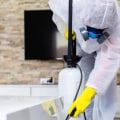
The commercial cleaning industry plays a pivotal role in maintaining the hygiene and aesthetic appeal of various business environments. From bustling office spaces to retail establishments, the demand for professional cleaning services has surged, particularly in the wake of heightened health awareness due to global events. Understanding this sector is essential for anyone looking to establish a successful venture in commercial cleaning, as it not only offers lucrative opportunities but also contributes significantly to public health and safety, much like how residential paving services enhance the overall appearance and functionality of homes.As businesses increasingly recognise the importance of a clean workspace, the plays a pivotal role in maintaining the hygiene and aesthetic appeal of various business environments. From bustling office spaces to retail establishments, the demand for professional cleaning services has surged, particularly in the wake of heightened health awareness due to global events. Understanding this sector is essential for anyone looking to establish a successful venture in commercial cleaning, as it not only offers lucrative opportunities but also contributes significantly to public health and safety, much like how residential paving services enhance the overall appearance and functionality of homes.As businesses increasingly recognise the importance of a clean workspace, the growth potential within the commercial cleaning industry becomes evident. Companies are now more inclined to outsource their cleaning needs to specialised firms that can provide tailored services, ensuring that their premises are not only clean but also compliant with health regulations.
This shift towards outsourcing has opened doors for new entrants in the market, making it an opportune time for aspiring business owners to explore this field.Moreover, the significance of commercial cleaning extends beyond mere aesthetics; it encompasses a range of services designed to enhance employee productivity and create a welcoming atmosphere for clients and customers. A clean environment can lead to improved morale among staff, reduced absenteeism due to illness, and an overall positive impression on visitors. Therefore, understanding the nuances of this industry is crucial for those aiming to carve out a niche in the competitive landscape of commercial cleaning.
Identifying Your Target Market
Identifying your target market is a crucial step in establishing a successful commercial cleaning business. Understanding who your ideal customers are allows you to tailor your services to meet their specific needs, ultimately leading to higher customer satisfaction and retention.To begin, consider the various segments within the commercial cleaning industry.Market segmentation can be based on several factors, including:
- Industry Type: Different industries have unique cleaning requirements. For instance, healthcare facilities require stringent sanitisation protocols, while offices may focus more on general cleanliness and aesthetics.
- Business Size: Small businesses may have different needs compared to large corporations. Understanding the scale of operations can help you offer appropriate service packages.
- Geographical Location: The location of your potential clients can influence their cleaning needs and preferences. Urban areas may have higher demand for frequent services due to higher foot traffic.
- Frequency of Service: Some businesses may require daily cleaning, while others might only need weekly or monthly services.
Identifying this can help you structure your offerings effectively.
By focusing on market segmentation and developing an ideal customer profile, you can position your business for success in a competitive landscape.
Defining Your Service Offerings
In the competitive landscape of the commercial cleaning industry, defining your service offerings is crucial for attracting and retaining clients. A well-structured service portfolio not only showcases your capabilities but also helps you stand out in a crowded market. Here, we will explore various types of cleaning services that can be included in your offerings, ensuring you meet the diverse needs of your clientele.General Cleaning Services
- Office Cleaning: This includes routine tasks such as dusting, vacuuming, and sanitising surfaces. Regular office cleaning is essential for maintaining a healthy work environment.
- Floor Care: Services may encompass sweeping, mopping, and polishing various types of flooring, including carpets, tiles, and hardwood.
- Window Cleaning: Both interior and exterior window cleaning can enhance the appearance of a commercial space and improve natural light.
- Restroom Sanitation: Ensuring that restrooms are clean and hygienic is vital for any business.
This service typically includes deep cleaning and restocking supplies.
Specialized Cleaning Services
- Post-Construction Cleaning: After construction or renovation projects, thorough cleaning is necessary to remove dust, debris, and leftover materials.
- Deep Cleaning: This involves a more intensive cleaning process that targets hard-to-reach areas and often includes steam cleaning carpets and upholstery.
- Industrial Cleaning: Tailored for factories and warehouses, this service may involve handling hazardous materials and requires specialised training and equipment.
- Green Cleaning: With an increasing focus on sustainability, offering eco-friendly cleaning options can attract environmentally conscious clients.
Building a Strong Brand Identity
Establishing a robust brand identity is essential for any commercial cleaning business aiming to stand out in a competitive market. A strong brand not only communicates your values and services but also builds trust and recognition among potential clients.Logo Design
Your logo is often the first impression clients will have of your business.
It should be visually appealing, memorable, and reflective of the services you provide. Consider using colours that evoke cleanliness and professionalism, such as blues and greens. A well-designed logo can enhance your credibility and make your brand more recognisable.
Consistent Messaging
Consistency in messaging across all platforms is crucial. Your brand voice should resonate with your target audience, whether it’s formal, friendly, or somewhere in between.
Ensure that your website, social media profiles, and marketing materials convey a unified message about your services, values, and mission. This consistency helps to reinforce your brand identity and makes it easier for customers to remember you.
Online Presence
In today’s digital age, having a strong online presence is non-negotiable. Your website should be user-friendly, informative, and optimised for search engines to attract potential clients searching for commercial cleaning services. Include testimonials from satisfied customers to build credibility and trust.
Additionally, engaging with clients on social media platforms can enhance your visibility and allow you to showcase your work.
Marketing Strategies
- Content Marketing: Create valuable content that addresses common cleaning concerns or tips for maintaining a clean workspace. This positions you as an expert in the field.
- Email Campaigns: Regular newsletters can keep your audience informed about promotions or new services while reinforcing your brand identity.
- Networking: Attend local business events to connect with potential clients and other businesses. Building relationships can lead to referrals and partnerships.
Effective Marketing Strategies for Commercial Cleaning Businesses
In the competitive landscape of the commercial cleaning industry, effective marketing strategies are essential for attracting and retaining clients.A well-rounded approach that combines both traditional and digital marketing techniques can significantly enhance your visibility and lead generation efforts.
Traditional Marketing Techniques
While digital marketing is increasingly important, traditional marketing methods still hold value in the commercial cleaning sector. Here are some effective strategies:- Networking: Building relationships with local businesses, property managers, and real estate agents can lead to valuable referrals. Attend local business events, trade shows, and community gatherings to connect with potential clients.
- Direct Mail Campaigns: Sending targeted mailers to businesses in your area can be an effective way to introduce your services. Include special offers or discounts to entice potential clients to try your services.
- Local Advertising: Consider advertising in local newspapers, magazines, or community bulletins.
This can help you reach businesses that may not be active online.
Digital Marketing Strategies
In today’s digital age, having a strong online presence is crucial for any commercial cleaning business. Here are some key digital marketing strategies:- Search Engine Optimisation (SEO): Optimising your website for search engines is vital. Use relevant keywords such as commercial cleaning, office cleaning services, and cleaning contracts throughout your site to improve your visibility in search results.
- Content Marketing: Create informative blog posts, articles, or videos that address common cleaning challenges faced by businesses. This not only positions you as an expert but also helps attract organic traffic to your website.
- Social Media Marketing: Leverage platforms like Facebook, LinkedIn, and Instagram to showcase your work, share customer testimonials, and engage with potential clients.
Regularly posting updates can keep your audience informed about your services and promotions.
- Email Marketing: Build an email list of current and potential clients. Send out newsletters with cleaning tips, service updates, and exclusive offers to keep your audience engaged.
Lead Generation Techniques
Generating leads is crucial for sustaining growth in the commercial cleaning business. Here are some effective lead generation techniques:- Online Reviews and Testimonials: Encourage satisfied customers to leave positive reviews on platforms like Google My Business or Yelp. Positive feedback can significantly influence potential clients' decisions.
- PPC Advertising: Pay-per-click advertising on platforms like Google Ads can help you reach a targeted audience actively searching for cleaning services.
This can yield quick results in terms of lead generation.
- Referral Programs: Implement a referral program that rewards existing customers for referring new clients. This not only incentivises word-of-mouth marketing but also builds customer loyalty.
Networking and Building Relationships
In the competitive landscape of the commercial cleaning industry, networking and building strong relationships are essential for securing contracts and expanding your client base. Establishing a robust network not only opens doors to new opportunities but also enhances your credibility within the market.Understanding the Importance of Networking
Networking is more than just exchanging business cards; it involves creating meaningful connections with potential clients, suppliers, and industry peers. By engaging with others in the field, you can gain insights into market trends, best practices, and potential leads.
Here are some effective strategies to enhance your networking efforts:
- Attend Industry Events: Participate in trade shows, conferences, and local business events related to commercial cleaning. These gatherings provide an excellent platform to meet potential clients and other professionals who can refer you to their networks.
- Join Professional Associations: Becoming a member of industry-specific organisations can help you connect with like-minded individuals. These associations often offer resources, training, and networking opportunities that can be invaluable for your business.
- Utilise Social Media: Platforms like LinkedIn are powerful tools for networking. Share your expertise through posts and articles, engage with others in discussions, and connect with potential clients directly.
Building Client Relationships
Once you've established connections, the next step is to nurture these relationships.
Building trust with your clients is crucial for long-term success in the commercial cleaning sector. Here are some tips for fostering strong client relationships:
- Communicate Effectively: Regular communication is key. Keep your clients informed about your services, any changes in operations, or new offerings that may benefit them.
- Provide Exceptional Service: Consistently delivering high-quality cleaning services will not only satisfy your current clients but also encourage them to refer you to others.
- Seek Feedback: Actively ask for feedback from your clients regarding your services. This shows that you value their opinion and are committed to continuous improvement.
The Power of Referrals
Referrals are one of the most effective ways to grow your client base in the commercial cleaning business.
Satisfied clients are often willing to recommend your services to others if they have had a positive experience. To encourage referrals:
- Create a Referral Program: Consider implementing a referral program that rewards existing clients for bringing in new business. This could be in the form of discounts or complimentary services.
- Ask for Referrals: Don’t hesitate to ask satisfied clients if they know anyone who might benefit from your services. A simple request can lead to valuable connections.
- Show Appreciation: When a referral leads to a new contract, make sure to thank the referring client.
This reinforces positive behaviour and encourages future referrals.
The Importance of Professionalism and Reliability
In the competitive landscape of the commercial cleaning industry, professionalism and reliability are not just desirable traits; they are essential components that can significantly influence a company's success. Clients seek cleaning services that not only meet their expectations but also exceed them, and this is where a commitment to high standards of professionalism comes into play.Professionalism in Cleaning Services
Professionalism encompasses various aspects of a cleaning business, from the appearance of staff to the quality of service provided. Here are some key elements that contribute to a professional image:
- Uniforms and Identification: Cleaners should wear uniforms that reflect the company’s branding.
This not only promotes a professional image but also instills confidence in clients.
- Training and Certification: Investing in training for your staff ensures they are knowledgeable about best practices, safety protocols, and the latest cleaning techniques. Certifications from recognised bodies can further enhance credibility.
- Clear Communication: Maintaining open lines of communication with clients is vital. This includes being responsive to inquiries, providing detailed service descriptions, and addressing any concerns promptly.
Reliability in Commercial Cleaning
Reliability is another cornerstone of a successful cleaning business. Clients need to trust that their premises will be cleaned consistently and thoroughly.
Here are some strategies to enhance reliability:
- Consistent Scheduling: Establishing a regular cleaning schedule helps clients know when to expect your team. Consistency builds trust and allows clients to plan their operations around your services.
- Quality Control Measures: Implementing quality control checks ensures that cleaning standards are maintained. Regular inspections and feedback loops can help identify areas for improvement.
- Dependable Staff: Retaining experienced and trustworthy employees is crucial. A stable workforce reduces turnover-related disruptions and fosters familiarity with client needs.
Building Customer Trust
The combination of professionalism and reliability fosters trust between your business and its clients.
When customers feel confident in your services, they are more likely to recommend you to others, leading to valuable referrals. To further build trust:
- Transparent Pricing: Provide clear pricing structures without hidden fees. Clients appreciate honesty and clarity in financial matters.
- Client Testimonials: Showcase positive feedback from satisfied customers on your website or marketing materials. Testimonials serve as social proof of your reliability and professionalism.
- Responsive Customer Service: A dedicated customer service team that addresses issues swiftly can significantly enhance client satisfaction.
By adhering to these principles, you can create a service that not only meets but exceeds client expectations, paving the way for sustained success in the industry.
Managing Operations Efficiently
Efficient operations management is the backbone of a successful commercial cleaning business. By implementing strategic practices, you can enhance productivity, reduce costs, and improve service quality. Here are some key strategies to consider:Effective Scheduling
One of the most critical aspects of operations management in the cleaning industry is scheduling. A well-structured schedule ensures that all tasks are completed on time and that resources are optimally utilised.Here are some tips for effective scheduling:
- Utilise Scheduling Software: Invest in reliable scheduling software that allows you to manage staff shifts, track job progress, and communicate with your team in real-time.
- Prioritise Tasks: Identify high-priority tasks and allocate sufficient time for their completion. This helps in managing workloads effectively and ensures that essential cleaning duties are not overlooked.
- Flexibility: Be prepared to adjust schedules based on client needs or unexpected circumstances. Flexibility can lead to higher customer satisfaction and retention.
Staff Management
Your team is your greatest asset in the commercial cleaning sector. Effective staff management not only boosts morale but also enhances overall efficiency.Consider the following:
- Training and Development: Regular training sessions equip your staff with the latest cleaning techniques and safety protocols, ensuring high-quality service delivery.
- Clear Communication: Establish open lines of communication between management and staff. Regular meetings can help address concerns, share feedback, and foster a collaborative environment.
- Performance Monitoring: Implement a system for monitoring staff performance. Recognising and rewarding high achievers can motivate your team to maintain high standards.
Resource Allocation
Efficient resource allocation is vital for minimising waste and maximising productivity. Here are some best practices:- Inventory Management: Keep track of cleaning supplies and equipment to avoid shortages or overstocking.
Use inventory management tools to streamline this process.
- Equipment Maintenance: Regularly maintain your cleaning equipment to ensure it operates efficiently. Well-maintained tools not only perform better but also last longer, saving you money in the long run.
- Sustainable Practices: Consider adopting eco-friendly cleaning products and methods. Not only do they appeal to environmentally conscious clients, but they can also reduce health risks for your staff.
Navigating Challenges in the Commercial Cleaning Sector
Operating a commercial cleaning business comes with its own set of unique challenges. Understanding these obstacles and developing strategies to overcome them is essential for long-term success.Below are some common challenges faced in the commercial cleaning sector, along with practical solutions to navigate them effectively.
- High Competition: The commercial cleaning industry is saturated with numerous players, making it difficult to stand out. To combat this, focus on defining your unique selling proposition (USP). Highlight what sets your services apart, whether it’s eco-friendly cleaning products, specialised services, or exceptional customer service.
- Employee Turnover: High turnover rates can disrupt service quality and increase training costs. To mitigate this, invest in employee satisfaction through competitive wages, benefits, and a positive work environment.
Regular training sessions can also help employees feel valued and improve their skills.
- Client Retention: Gaining new clients is important, but retaining them is crucial for sustainable growth. Establish strong relationships with your clients by maintaining open lines of communication and soliciting feedback regularly. Implementing a customer loyalty programme can also encourage repeat business.
- Quality Control: Ensuring consistent service quality across different teams can be challenging. Develop standard operating procedures (SOPs) that outline cleaning protocols and expectations.
Regular inspections and client feedback can help maintain high standards.
- Seasonal Fluctuations: Demand for cleaning services can vary throughout the year, leading to unpredictable income. To address this, diversify your service offerings to include seasonal services such as deep cleaning or post-event clean-ups. This can help smooth out income fluctuations.
Conclusion: Key Takeaways for Success in Commercial Cleaning Business
In conclusion, succeeding in the commercial cleaning business requires a multifaceted approach that encompasses various strategies and best practices.Here are the key takeaways to ensure your venture thrives in this competitive landscape:
- Understand Your Market: Conduct thorough research to identify your target audience and their specific cleaning needs. Tailoring your services to meet these demands will set you apart from competitors.
- Build a Strong Brand: Establishing a reputable brand is crucial. Invest in professional branding, including a well-designed logo and a user-friendly website, to enhance your visibility and credibility.
- Networking is Essential: Leverage your existing connections and actively seek new ones. Attend local business events, join industry associations, and engage with potential clients on social media platforms to expand your network.
- Offer Exceptional Customer Service: Providing outstanding service can lead to repeat business and referrals.
Always be responsive to client inquiries and feedback, ensuring that their needs are met promptly.
- Invest in Quality Equipment: The right tools can significantly impact the efficiency and effectiveness of your cleaning services. Invest in high-quality cleaning supplies and equipment that will help you deliver superior results.
- Stay Compliant with Regulations: Familiarise yourself with local health and safety regulations related to cleaning services. Compliance not only protects your business but also builds trust with clients.
- Embrace Technology: Utilise software solutions for scheduling, invoicing, and customer management. Technology can streamline operations, making it easier to manage contracts and client relationships.
- Focus on Sustainability: As businesses become more environmentally conscious, offering eco-friendly cleaning options can give you a competitive edge.
Consider using green cleaning products and sustainable practices.