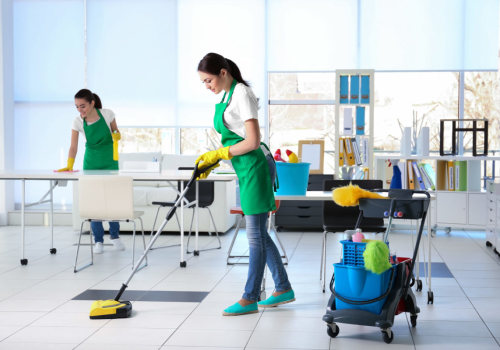
Commercial cleaning is a vital service that ensures businesses maintain a clean, safe, and welcoming environment for both employees and clients. Unlike residential cleaning, which typically focuses on individual homes, commercial cleaning encompasses a wide range of services tailored to various types of commercial spaces, including offices, retail establishments, schools, and healthcare facilities. The significance of commercial cleaning cannot be overstated; it not only enhances the aesthetic appeal of a business but also plays a crucial role in promoting health and safety by reducing the spread of germs and allergens, much like how effective web design can enhance a company's online presence.In today’s competitive market, the cleanliness of a commercial space can significantly impact customer perceptions and employee productivity. A well-maintained environment fosters a positive atmosphere, encouraging employees to perform at their best while also making a good impression on clients and visitors. Commercial cleaning is a vital service that ensures businesses maintain a clean, safe, and welcoming environment for both employees and clients. Unlike residential cleaning, which typically focuses on individual homes, commercial cleaning encompasses a wide range of services tailored to various types of commercial spaces, including offices, retail establishments, schools, and healthcare facilities. The significance of commercial cleaning cannot be overstated; it not only enhances the aesthetic appeal of a business but also plays a crucial role in promoting health and safety by reducing the spread of germs and allergens, much like how effective web design can enhance a company's online presence.In today’s competitive market, the cleanliness of a commercial space can significantly impact customer perceptions and employee productivity. A well-maintained environment fosters a positive atmosphere, encouraging employees to perform at their best while also making a good impression on clients and visitors.
Furthermore, regular cleaning helps to prolong the lifespan of furniture and equipment, ultimately saving businesses money in the long run.There are various types of commercial cleaning services available to meet the diverse needs of businesses. These services can range from daily office cleaning to specialised deep cleaning tasks. Common offerings include:
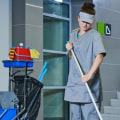
- Office Cleaning: Routine cleaning of workspaces, including dusting, vacuuming, and sanitising surfaces.
- Carpet Cleaning: Professional cleaning methods to remove stains and allergens from carpets.
- Window Cleaning: Ensuring windows are spotless for improved visibility and aesthetics.
- Post-Construction Cleaning: Thorough cleaning after construction or renovation projects to remove debris and dust.
- Industrial Cleaning: Heavy-duty cleaning for factories and warehouses that require specialised equipment.
Preparing for Commercial Cleaning
Before embarking on the task of commercial cleaning, it is essential to lay a solid foundation through thorough preparation.This not only streamlines the cleaning process but also ensures that no area is overlooked. Here are the key steps to consider when preparing for commercial cleaning.
Creating a Cleaning Supplies Checklist
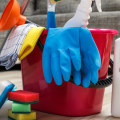
A comprehensive checklist of cleaning supplies is vital for effective commercial cleaning. This list should include:- General Cleaning Supplies: All-purpose cleaners, disinfectants, glass cleaners, and floor cleaners.
- Tools and Equipment: Mops, brooms, vacuum cleaners, microfiber cloths, and scrub brushes.
- Personal Protective Equipment (PPE): Gloves, masks, and goggles to ensure safety during the cleaning process.
- Specialty Items: Carpet shampooers, steam cleaners, and any specific tools required for unique surfaces or materials.
Planning an Effective Cleaning Schedule
A well-structured cleaning schedule is crucial for maintaining cleanliness in a commercial building. Here are some tips for creating an effective plan:- Assess the Space: Evaluate the size and layout of the building to determine how much time each area will require for cleaning.
- Frequency of Cleaning: Decide how often each area needs to be cleaned.
High-traffic areas may require daily attention, while less frequented spaces can be cleaned weekly or bi-weekly.
- Assign Responsibilities: If working with a team, clearly define who is responsible for each area or task. This helps in accountability and ensures that all tasks are completed efficiently.
- Time Allocation: Allocate specific time slots for each task based on its complexity and size. This will help in managing time effectively during the cleaning process.
Essential Cleaning Equipment and Supplies
When it comes to commercial cleaning, having the right equipment and supplies is crucial for achieving a high standard of cleanliness and hygiene.The effectiveness of your cleaning efforts largely depends on the tools you use, so investing in quality equipment is essential.
Key Commercial Cleaning Equipment
- Vacuum Cleaners: A powerful vacuum cleaner is indispensable for maintaining clean carpets and floors. Look for models designed specifically for commercial use, which often feature stronger suction and larger capacities.
- Floor Scrubbers: For hard floor surfaces, automatic floor scrubbers can save time and provide a deeper clean than traditional mopping. These machines are designed to scrub, rinse, and dry floors in one pass.
- Pressure Washers: Ideal for outdoor areas, pressure washers can effectively remove dirt, grime, and stains from surfaces such as sidewalks, parking lots, and building exteriors.
- Steam Cleaners: These are excellent for sanitising surfaces without the need for harsh chemicals. Steam cleaning can be particularly effective in kitchens and bathrooms where hygiene is paramount.
- Microfiber Cloths and Mops: Microfiber materials are highly effective at trapping dust and dirt.
They are also reusable and can be washed multiple times, making them an eco-friendly choice.
Essential Cleaning Supplies
- All-Purpose Cleaners: Versatile cleaners that can be used on various surfaces help simplify the cleaning process. Look for products that are effective against a wide range of stains and dirt.
- Disinfectants: In today’s environment, using disinfectants is more important than ever. Ensure you choose EPA-approved products that effectively kill germs and bacteria on surfaces.
- Glass Cleaners: Streak-free glass cleaners are essential for maintaining windows, mirrors, and other glass surfaces in commercial buildings.
- Trash Bags: High-quality trash bags are necessary for maintaining cleanliness in waste disposal areas. Opt for durable bags that can handle heavy loads without tearing.
- Personal Protective Equipment (PPE): Ensure that all cleaning staff have access to PPE such as gloves, masks, and goggles to protect themselves while using cleaning chemicals.
Regularly assessing your equipment needs will help maintain high standards of cleanliness in any commercial setting.
Maintaining Cleanliness: Daily and Weekly Routines
Maintaining a clean and hygienic environment in commercial buildings is essential for both employee productivity and customer satisfaction. Establishing effective daily and weekly cleaning routines can significantly enhance the overall cleanliness of your workspace. By differentiating between tasks that require daily attention and those that can be scheduled weekly, you can ensure that your commercial space remains inviting and functional.Daily Cleaning Tasks
Daily cleaning tasks are crucial for keeping high-traffic areas tidy and preventing the accumulation of dirt and germs. Here are some key activities to incorporate into your daily cleaning routine:- Trash Disposal: Empty all trash bins throughout the building to prevent unpleasant odours and maintain a neat appearance.
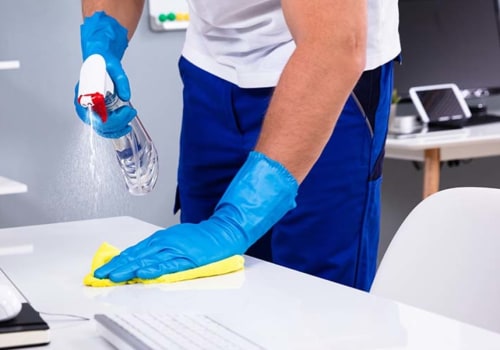
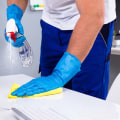
- Surface Wiping: Clean and disinfect frequently touched surfaces such as door handles, light switches, and shared equipment to reduce the spread of germs.
- Floor Maintenance: Sweep or vacuum high-traffic areas daily to remove dust, dirt, and debris.
This is particularly important in entryways and communal spaces.
- Restroom Cleaning: Ensure restrooms are cleaned and stocked with necessary supplies, including soap and paper towels, to promote hygiene.
- Kitchen/Break Room Upkeep: Clean countertops, tables, and appliances in kitchen areas after each use to maintain a sanitary environment for employees.
Weekly Cleaning Tasks
While daily tasks focus on immediate cleanliness, weekly cleaning routines allow for deeper cleaning that addresses areas often overlooked. Consider incorporating the following tasks into your weekly schedule:- Deep Floor Cleaning: Perform thorough vacuuming or mopping of all floors, including carpets, tiles, and hardwood surfaces, to remove embedded dirt.
- Window Cleaning: Clean windows inside and out to enhance natural light and improve the overall appearance of the building.
- Furniture Dusting: Dust all furniture, including desks, chairs, and shelves, to eliminate allergens and maintain a fresh atmosphere.
- Appliance Maintenance: Clean kitchen appliances such as microwaves and refrigerators thoroughly to prevent food contamination.
- Restroom Deep Clean: Conduct a more thorough cleaning of restrooms, including scrubbing toilets and sinks to ensure they are hygienic.
Health and Safety Considerations in Commercial Cleaning
When it comes to commercial cleaning, prioritising health and safety is paramount. This not only protects the cleaning staff but also ensures a safe environment for all building occupants.Here are some essential considerations and practices to keep in mind:
Understanding Potential Hazards
Commercial cleaning involves the use of various chemicals and equipment that can pose risks if not handled properly. Common hazards include:- Chemical Exposure: Many cleaning agents contain harsh chemicals that can irritate the skin, eyes, or respiratory system.
- Slips and Falls: Wet floors from mopping or spills can lead to accidents if not clearly marked.
- Ergonomic Risks: Repetitive motions or improper lifting techniques can result in musculoskeletal injuries.
Implementing Safe Cleaning Practices
To mitigate these risks, it is crucial to adopt safe cleaning practices:- Use Personal Protective Equipment (PPE): Equip cleaners with gloves, masks, goggles, and non-slip footwear to protect against chemical exposure and physical injuries.
- Proper Training: Ensure that all cleaning staff are trained in the safe handling of cleaning products and equipment. This includes understanding Material Safety Data Sheets (MSDS) for each chemical used.
- Clear Signage: Use warning signs to indicate wet floors or areas under maintenance to prevent accidents.
- Regular Breaks: Encourage staff to take regular breaks to avoid fatigue, which can lead to mistakes and accidents.
Reducing Allergens in Workplaces
A clean environment is essential for reducing allergens that can affect the health of employees and visitors. Here are some strategies:- Use Hypoallergenic Products: Opt for cleaning agents that are free from harsh chemicals and fragrances, which can trigger allergic reactions.
- Regular Dusting and Vacuuming: Frequent dusting of surfaces and vacuuming with HEPA filters can significantly reduce dust mites, pollen, and other allergens.
- Maintain HVAC Systems: Regularly clean and replace filters in heating, ventilation, and air conditioning systems to ensure good air quality.
Choosing a Professional Commercial Cleaning Service
When it comes to maintaining a clean and healthy environment in a commercial building, choosing the right professional cleaning service is crucial.The right service not only ensures cleanliness but also enhances the overall atmosphere of your workplace. Here are some essential factors to consider when selecting a commercial cleaning service.
1.Assess Your Cleaning Needs
Before you start looking for a cleaning service, it’s important to evaluate your specific needs. Consider the size of your facility, the type of business you operate, and the frequency of cleaning required. For instance, offices may require daily cleaning, while retail spaces might need less frequent attention.
Understanding your requirements will help you communicate effectively with potential cleaners.
2.Research and Recommendations
Start by seeking recommendations from colleagues or other businesses in your area. Online reviews and testimonials can also provide insight into the reliability and quality of various cleaning services. Look for companies that have a strong reputation for professionalism and customer satisfaction.
3.Verify Credentials and Experience
Ensure that the cleaning service you consider is fully licensed and insured. This protects you from liability in case of accidents or damages during the cleaning process.
Additionally, inquire about their experience in the industry; companies with a proven track record are often more reliable.
4.Evaluate Cleaning Products and Techniques
Ask potential cleaners about the products they use and their cleaning methods. It’s important to choose a service that uses environmentally friendly products, especially if you have employees or customers with allergies or sensitivities. Understanding their techniques can also give you confidence in their ability to handle specific cleaning challenges.
5.Questions to Ask
- What services are included in your standard cleaning package?
- Can you provide references from current or past clients?
- How do you handle special requests or additional services?
- What is your policy on employee training and background checks?
- How do you ensure quality control?
6.Cost Considerations
While cost should not be the sole factor in your decision, it is important to understand how pricing works. Request detailed quotes from multiple services to compare what is included in their pricing structure.
Be wary of prices that seem too good to be true; they may indicate subpar service or hidden fees.
7.Trial Period
If possible, arrange for a trial period with the cleaning service before committing to a long-term contract. This allows you to assess their performance and ensure they meet your expectations.By taking these steps, you can confidently choose a professional commercial cleaning service that meets your needs and contributes positively to your business environment.
The Future of Commercial Cleaning: Trends and Innovations
The commercial cleaning industry is undergoing a significant transformation, driven by advancements in technology and a growing emphasis on sustainability. As businesses increasingly recognise the importance of maintaining clean and safe environments, several key trends and innovations are emerging that are set to shape the future of commercial cleaning.Trends in Commercial Cleaning
One of the most notable trends is the shift towards automated cleaning solutions. Robotics and artificial intelligence are being integrated into cleaning processes, allowing for more efficient and consistent results.For instance, robotic vacuum cleaners can navigate large spaces autonomously, ensuring that floors are kept clean with minimal human intervention. This not only saves time but also reduces labour costs.Another trend is the increasing demand for flexible cleaning schedules. Businesses are recognising that traditional cleaning hours may not be suitable for all environments. As a result, many commercial cleaning services are now offering tailored schedules that align with the specific needs of their clients, whether that means cleaning during off-hours or providing on-demand services.
Innovations in Cleaning Technology
Innovative cleaning technologies are also making waves in the industry.For example, UV-C light technology is being used to disinfect surfaces effectively. This method has gained popularity due to its ability to kill bacteria and viruses without the use of harsh chemicals, making it an ideal solution for sensitive environments such as hospitals and schools.Moreover, advancements in cleaning equipment , such as high-efficiency particulate air (HEPA) filters in vacuums, are improving indoor air quality by trapping allergens and pollutants. This is particularly important in commercial spaces where many people congregate, as it helps to create a healthier work environment.
Eco-Friendly Cleaning Solutions
The push for sustainability is another driving force behind changes in commercial cleaning practices. Businesses are increasingly opting for eco-friendly cleaning solutions that minimise environmental impact.These products often use natural ingredients that are biodegradable and non-toxic, reducing the risk of chemical exposure for both employees and customers.Additionally, many companies are adopting sustainable practices , such as using reusable cleaning cloths instead of disposable ones and implementing water-saving techniques. These initiatives not only contribute to a cleaner planet but also resonate with environmentally conscious consumers.In conclusion, the future of commercial cleaning is bright, characterised by technological advancements and a commitment to sustainability. As these trends continue to evolve, businesses that embrace these innovations will not only enhance their cleaning processes but also improve overall workplace health and safety.
FAQs About Commercial Cleaning
When considering commercial cleaning services, potential clients often have numerous questions and misconceptions. This section aims to address some of the most frequently asked questions to provide clarity and confidence in choosing the right cleaning service.What services are included in commercial cleaning?
Commercial cleaning encompasses a wide range of services tailored to meet the specific needs of businesses.Common offerings include:
- Office cleaning: Regular dusting, vacuuming, and sanitising of workspaces.
- Restroom sanitation: Thorough cleaning and disinfecting of all restroom facilities.
- Floor care: Maintenance of various flooring types, including carpet cleaning, tile scrubbing, and polishing.
- Kitchens and break rooms: Cleaning appliances, surfaces, and ensuring hygiene standards are met.
- Window cleaning: Interior and exterior window washing for a clear view.
How often should a commercial space be cleaned?
The frequency of cleaning depends on several factors, including the type of business, foot traffic, and specific client needs. Generally, offices may require daily cleaning, while less frequented spaces might only need weekly or bi-weekly services. A tailored cleaning schedule can be developed based on your unique requirements.Are commercial cleaners trained professionals?
Yes, reputable commercial cleaning companies employ trained professionals who understand the best practices for maintaining cleanliness and hygiene in various environments. They are knowledgeable about the appropriate cleaning products and techniques for different surfaces to ensure effective results without causing damage.What are common misconceptions about commercial cleaning?
- All cleaners use the same products: In reality, different environments require specific products to ensure safety and effectiveness.
- Cleaning is only necessary when it looks dirty: Regular maintenance is crucial to prevent dirt buildup and maintain a healthy workspace.
- Commercial cleaning is too expensive: While costs vary, investing in professional cleaning can save money in the long run by prolonging the life of your furnishings and reducing health-related absences.
Conclusion: The Importance of Regular Commercial Cleaning
In conclusion, the significance of regular commercial cleaning cannot be overstated.A clean and well-maintained commercial building not only enhances the aesthetic appeal of the workspace but also plays a crucial role in promoting the health and well-being of employees and visitors alike. Throughout this guide, we have explored various aspects of commercial cleaning, highlighting its importance in creating a safe and productive environment.One of the primary benefits of maintaining a consistent cleaning schedule is the reduction of allergens and pathogens that can lead to illness. Regular cleaning practices, such as disinfecting surfaces and vacuuming carpets, help to minimise the spread of germs, thereby reducing sick days and enhancing overall productivity. This is particularly vital in high-traffic areas where footfall can introduce dirt and bacteria.Moreover, a clean workplace fosters a positive impression on clients and customers.
First impressions are often formed within seconds, and a tidy environment reflects professionalism and attention to detail. This can be especially important for businesses that rely on client interactions, such as offices, retail spaces, and hospitality venues.Implementing best practices in commercial cleaning also contributes to the longevity of office equipment and furnishings. Regular maintenance prevents the build-up of grime that can cause wear and tear, ultimately saving businesses money on repairs or replacements. For instance, routine cleaning of carpets can extend their lifespan significantly, while regular dusting can prevent damage to electronic devices.To ensure effective cleaning, it is advisable to develop a comprehensive checklist tailored to different areas within the building.
This checklist should include tasks specific to each space, such as:
- Daily cleaning tasks for high-traffic areas
- Weekly deep cleaning for kitchens and break rooms
- Monthly maintenance for carpets and upholstery
- Quarterly window cleaning for improved natural light