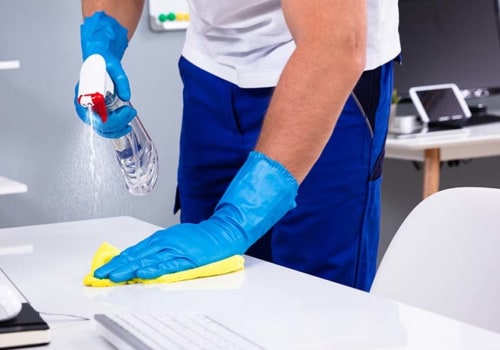
The commercial cleaning industry plays a pivotal role in maintaining the hygiene and aesthetic appeal of various business environments. As organisations increasingly recognise the importance of cleanliness in enhancing employee productivity and creating a positive impression on clients, the demand for professional cleaning services has surged. This sector encompasses a wide range of services, from routine office cleaning to specialised sanitation for healthcare facilities, making it a versatile and essential component of the modern business landscape.In recent years, the cleaning industry has evolved significantly, driven by advancements in technology and changing consumer expectations. Businesses are now seeking more than just basic cleaning; they require tailored solutions that address specific needs, such as eco-friendly products and advanced disinfection methods.
This shift not only highlights the industry's adaptability but also underscores its potential for growth. With an increasing number of companies prioritising cleanliness as part of their operational strategy, investing in a commercial cleaning business presents a lucrative opportunity.The investment potential within the commercial cleaning sector is particularly appealing due to its relatively low entry barriers and consistent demand. Unlike many other industries that may fluctuate with economic cycles, the need for cleaning services remains stable year-round. This reliability makes it an attractive option for investors looking to establish a sustainable income stream.
Furthermore, as businesses continue to expand and new enterprises emerge, the market for commercial cleaning services is expected to grow, offering ample opportunities for those willing to enter this field.
Why Invest in a Cleaning Business?
Investing in a cleaning business presents numerous advantages that make it an appealing option for entrepreneurs. Here are some compelling reasons to consider:- Low Startup Costs: One of the most significant benefits of starting a cleaning business is the relatively low initial investment required. Unlike many other industries, you don’t need to invest heavily in inventory or expensive equipment. Basic cleaning supplies and equipment can often be sourced at affordable prices, allowing you to start small and scale as your business grows.
- High Demand for Services: The demand for cleaning services, particularly in the commercial sector, remains consistently high.
Businesses require regular cleaning to maintain a professional appearance and comply with health regulations. This ongoing need ensures a steady stream of potential clients, making it easier to establish a reliable customer base.
- Stable Income Potential: A well-run cleaning business can provide a stable income. Many commercial contracts are long-term, offering predictable revenue streams. This stability is particularly beneficial during economic downturns when other sectors may struggle.
- Diverse Service Offerings: The cleaning industry is not limited to one type of service.
You can choose to specialise in various areas such as commercial cleaning, residential cleaning, or specialised services like carpet or window cleaning. This diversity allows you to cater to different market segments and adapt your offerings based on demand.
- Franchise Opportunities: For those who prefer a structured approach, investing in a cleaning franchise can be an excellent option. Franchises often come with established brand recognition, training programs, and marketing support, which can significantly reduce the risks associated with starting a new business from scratch.
- Scalability: Cleaning businesses are inherently scalable. As your client base grows, you can easily expand your operations by hiring additional staff or investing in more equipment.
This flexibility allows you to adapt quickly to market demands and increase your profitability over time.
Types of Cleaning Services to Consider
When considering a cleaning business, it is essential to understand the various types of cleaning services available. Each type caters to different markets and has its unique advantages. Among these, commercial cleaning stands out as a particularly lucrative option.Commercial Cleaning Services
- Definition: Commercial cleaning refers to the cleaning of business premises, including offices, retail spaces, and industrial facilities.
This sector is characterised by its need for regular maintenance and adherence to strict hygiene standards.
- Demand: The demand for commercial cleaning services is consistently high, driven by the necessity for businesses to maintain a clean and professional environment. This is especially true in sectors such as healthcare, hospitality, and food services, where cleanliness is paramount.
- Recurring Revenue: Many commercial cleaning contracts are structured on a recurring basis, providing a steady stream of income. This predictability can significantly enhance cash flow and financial stability for your business.
Residential Cleaning Services
- Definition: Residential cleaning involves cleaning private homes and apartments. While this market can be rewarding, it often requires more marketing efforts to attract clients.
- Competition: The residential cleaning market can be saturated in many areas, making it challenging for new entrants to establish themselves without significant investment in marketing and branding.
- Variable Income: Unlike commercial contracts, residential cleaning jobs may not provide consistent income due to their one-off nature or seasonal demand fluctuations.
Specialized Cleaning Services
- Definition: Specialized cleaning services focus on niche markets such as carpet cleaning, window washing, or post-construction clean-up.
These services often require specific skills or equipment.
- Higher Profit Margins: While specialized services can command higher prices due to their complexity, they may also involve higher operational costs and require more training for staff.
- Market Demand: The demand for specialized cleaning can be sporadic and often depends on economic conditions or specific events (e.g., construction projects).
Market Demand and Growth Opportunities
The commercial cleaning industry has witnessed significant growth in recent years, driven by an increasing demand for professional cleaning services across various sectors. As businesses strive to maintain a clean and hygienic environment, the need for reliable cleaning solutions has never been more critical. This section delves into the current market demand for commercial cleaning services and explores the potential growth opportunities within this thriving industry.One of the primary factors contributing to the surge in demand for commercial cleaning services is heightened awareness of health and hygiene standards.The COVID-19 pandemic has underscored the importance of cleanliness in workplaces, leading many organisations to prioritise regular cleaning and sanitisation. As a result, businesses are increasingly outsourcing their cleaning needs to professional services that can ensure compliance with health regulations.Moreover, the commercial cleaning market is projected to continue its upward trajectory. According to industry reports, the global commercial cleaning services market is expected to grow at a compound annual growth rate (CAGR) of around 6% over the next few years. This growth is attributed to several factors:
- Increased Business Activity: As economies recover and businesses expand, there is a corresponding rise in demand for cleaning services to maintain cleanliness in offices, retail spaces, and industrial facilities.
- Technological Advancements: The introduction of innovative cleaning technologies, such as automated cleaning equipment and eco-friendly products, is enhancing service efficiency and effectiveness, attracting more clients.
- Focus on Sustainability: Many companies are now seeking environmentally friendly cleaning solutions, creating opportunities for businesses that offer green cleaning services.
Companies can specialise in areas such as:
- Post-Construction Cleaning: With ongoing construction projects, there is a consistent need for thorough clean-up services once buildings are completed.
- Specialised Cleaning: This includes services like carpet cleaning, window washing, and deep sanitisation that cater to specific client needs.
- Facility Management Services: Offering comprehensive management solutions that include maintenance and security alongside cleaning can attract larger contracts.
Cost Analysis: Starting a Cleaning Business
Starting a cleaning business can be an appealing venture, but understanding the costs involved is crucial for effective financial planning. A comprehensive cost analysis will help you budget appropriately and ensure your business is set up for success.Initial Startup Costs
- Equipment: The primary investment will be in cleaning equipment. Depending on the services you plan to offer, this may include vacuum cleaners, mops, brooms, and specialised tools for tasks like carpet cleaning or window washing.
Expect to spend anywhere from £500 to £2,000 on quality equipment.
- Supplies: Cleaning supplies such as detergents, disinfectants, and other consumables are essential. A well-stocked supply cabinet can cost between £100 and £500 initially, depending on the range of services you provide.
- Transportation: If you plan to travel to client locations, consider the costs associated with a vehicle. This includes fuel, maintenance, and insurance. If you already own a vehicle, factor in the additional wear and tear.
- Licensing and Insurance: Depending on your location, you may need specific licenses to operate legally.
Additionally, obtaining liability insurance is crucial to protect your business from potential claims. Budget around £200 to £1,000 for these expenses.
Operational Expenses
- Marketing: To attract clients, invest in marketing strategies such as online advertising or local flyers. A reasonable budget for initial marketing efforts could range from £100 to £1,000.
- Salaries: If you plan to hire staff, consider their wages as a significant ongoing expense. Ensure you account for salaries in your monthly budget.
- Miscellaneous Costs: Don’t forget about other operational costs such as phone bills, internet services, and accounting software.
These can add up quickly and should be included in your financial planning.
Budgeting Tips
Create a detailed budget that outlines all expected costs and potential income. This will not only help you manage your finances but also assist in securing funding if needed. Regularly review and adjust your budget as your business grows and evolves.In conclusion, while starting a cleaning business involves various costs, careful financial planning can help mitigate risks and set the foundation for a successful venture.
Franchising vs. Independent Business Models
When considering a venture in the cleaning industry, one of the most significant decisions you will face is whether to invest in a cleaning franchise or to establish an independent cleaning business.Each model presents its own set of advantages and disadvantages, which can greatly influence your success and satisfaction in the long run.
Advantages of Franchising
- Established Brand Recognition: One of the primary benefits of franchising is the immediate access to a well-known brand. This can significantly reduce the time and effort needed to build a customer base, as clients are often more inclined to trust established names.
- Proven Business Model: Franchises come with a tested business model that has been refined over time. This means you can benefit from the experience and strategies of successful operators, reducing the risk associated with starting from scratch.
- Training and Support: Most franchises offer comprehensive training programs and ongoing support. This can be invaluable for new business owners who may lack experience in managing operations, marketing, or customer service.
- Marketing Assistance: Franchisees often receive marketing materials and strategies from the franchisor, which can help in attracting clients more effectively than an independent business might manage on its own.
Disadvantages of Franchising
- Initial Costs: While franchising can provide many benefits, it often comes with high initial fees and ongoing royalty payments.
These costs can eat into your profits, especially in the early stages of your business.
- Lack of Flexibility: Franchise agreements typically come with strict guidelines regarding operations, branding, and services offered. This can limit your ability to innovate or adapt your business model to local market needs.
Pros and Cons of Independent Cleaning Businesses
- Full Control: Starting an independent cleaning business allows you complete control over every aspect of your operations, from pricing to service offerings. This flexibility can be advantageous in tailoring your services to meet specific client needs.
- No Ongoing Fees: Unlike franchises, independent businesses do not have to pay royalties or franchise fees, allowing for potentially higher profit margins.
- Brand Development: Building your own brand can be rewarding. As you grow your reputation, you have the opportunity to create a unique identity that resonates with your target market.
Challenges of Independent Businesses
- No Established Support System: Without the backing of a franchise, independent business owners must navigate challenges alone.
This includes everything from marketing strategies to operational hurdles.
- Building Trust Takes Time: Establishing a new brand requires significant effort and time. Gaining customer trust is crucial but can be challenging without an established reputation.
Marketing Your Cleaning Business Effectively
Marketing your cleaning business effectively is crucial for attracting clients and ensuring long-term success. With the right strategies, you can create a strong brand presence and reach potential customers in your area.Here are some effective marketing strategies tailored for cleaning services.
Utilising Digital Marketing
In today’s digital age, having a robust online presence is essential. Here are some key digital marketing techniques:- Website Development: Create a professional website that showcases your services, pricing, and testimonials. Ensure it is mobile-friendly and optimised for search engines (SEO) to improve visibility.
- Social Media Engagement: Use platforms like Facebook, Instagram, and LinkedIn to connect with your audience. Share before-and-after photos of your work, customer reviews, and cleaning tips to engage followers.
- Email Marketing: Build an email list of potential and existing clients.
Send regular newsletters with promotions, cleaning tips, and updates about your services to keep your audience informed and engaged.
- Online Advertising: Invest in pay-per-click (PPC) advertising through Google Ads or social media platforms. Target specific demographics to reach potential clients actively searching for cleaning services.
Traditional Advertising Methods
While digital marketing is vital, traditional advertising methods can also be effective in reaching local clients:- Flyers and Brochures: Distribute flyers in local neighbourhoods or businesses. Highlight special offers or discounts to entice new customers.
- Networking: Attend local business events or community gatherings to network with potential clients. Building relationships can lead to referrals and repeat business.
- Local Listings: Ensure your business is listed on local directories such as Google My Business, Yelp, and Yellow Pages.
This increases visibility when potential clients search for cleaning services in your area.
Challenges in the Cleaning Industry and How to Overcome Them
Operating a cleaning business, particularly in the commercial cleaning sector, presents a unique set of challenges that can impact profitability and sustainability. Understanding these challenges and developing strategies to overcome them is crucial for success.Common Challenges in the Cleaning Industry
- High Competition: The cleaning industry is saturated with numerous providers, making it difficult to stand out. Many businesses offer similar services at competitive prices, which can lead to price wars.
- Employee Turnover: The cleaning sector often experiences high staff turnover rates.
This can disrupt service quality and increase recruitment and training costs.
- Client Retention: Maintaining long-term contracts with clients can be challenging, especially if they are lured away by lower prices or better service from competitors.
- Quality Control: Ensuring consistent service quality across different teams and locations can be difficult, particularly as the business scales.
- Regulatory Compliance: Adhering to health and safety regulations, as well as environmental standards, can be complex and time-consuming.
Strategies to Overcome Challenges
- Differentiation: To combat high competition, focus on what makes your services unique. This could include eco-friendly cleaning products, specialised services, or exceptional customer service. Highlight these differentiators in your marketing efforts.
- Employee Engagement: To reduce turnover, invest in employee training and development. Create a positive work environment that values staff contributions and offers incentives for performance.
Regular feedback and recognition can also enhance job satisfaction.
- Building Relationships: Foster strong relationships with clients through regular communication and feedback. Implement loyalty programs or discounts for long-term contracts to encourage client retention.
- Standard Operating Procedures (SOPs): Develop clear SOPs for all cleaning tasks to ensure consistency in service delivery. Regular training sessions can help reinforce these standards among staff.
- Stay Informed: Keep abreast of industry regulations and compliance requirements. Joining industry associations or networks can provide valuable resources and support in navigating these complexities.
Emphasising quality, employee satisfaction, and client relationships will ultimately lead to a more successful commercial cleaning operation.
Insurance and Legal Considerations for Cleaning Businesses
When embarking on the journey of establishing a cleaning business, it is crucial to consider the insurance and legal aspects that will safeguard your venture. These elements not only ensure compliance with local regulations but also protect your business from potential liabilities.Insurance Needs for Cleaning Businesses
- Public Liability Insurance: This is essential for any cleaning business as it covers claims made by clients or third parties for injuries or damages caused by your services. For instance, if a client slips and falls while you are cleaning their premises, this insurance can cover legal fees and compensation costs.
- Employer’s Liability Insurance: If you plan to hire staff, this insurance is a legal requirement in the UK. It protects you against claims from employees who may suffer injuries or illnesses related to their work.
- Contents Insurance: This covers the equipment and supplies used in your cleaning operations.
Whether you own a vacuum cleaner or specialised cleaning tools, having them insured can save you from significant losses in case of theft or damage.
- Professional Indemnity Insurance: While not mandatory, this insurance is advisable if you offer specialised cleaning services. It protects against claims of negligence or inadequate service that could lead to financial loss for your clients.
Legal Requirements for Cleaners
In addition to securing the right insurance, understanding the legal requirements for operating a cleaning business is vital. Here are some key considerations:
- Business Registration: Depending on your business structure (sole trader, partnership, or limited company), you may need to register your business with Companies House or HM Revenue and Customs (HMRC).
- Health and Safety Regulations: You must comply with health and safety laws to ensure a safe working environment for yourself and your employees. This includes conducting risk assessments and providing necessary training.
- Data Protection Compliance: If you handle personal data from clients, such as contact details or payment information, you must adhere to the General Data Protection Regulation (GDPR) to protect their privacy.
Protecting Your Cleaning Business Legally
To further shield your cleaning business from legal issues, consider implementing the following strategies:
- Create Clear Contracts: Always use written contracts that outline the scope of work, payment terms, and cancellation policies.
This helps manage client expectations and provides legal protection in case of disputes.
- Maintain Accurate Records: Keep detailed records of all transactions, communications, and contracts. This documentation can be invaluable if any legal issues arise.
- Stay Informed: Regularly update yourself on changes in laws and regulations that may affect your business operations. Joining industry associations can provide valuable resources and support.
<strong>Conclusion</strong>
In summary, investing in a cleaning business, particularly in the realm of commercial cleaning, presents a compelling opportunity for aspiring entrepreneurs. The consistent demand for cleaning services across various sectors ensures that this industry remains resilient, even in fluctuating economic climates.Businesses, whether small or large, require regular cleaning to maintain hygiene standards and create a welcoming environment for employees and clients alike.One of the most significant advantages of entering the commercial cleaning sector is the low overhead costs associated with starting and running such a business. Unlike many other industries that require substantial capital investment in equipment or inventory, a cleaning business can often be launched with minimal financial outlay. This accessibility makes it an attractive option for individuals looking to start their own venture.Moreover, the potential for profitability is substantial. As organizations increasingly prioritise cleanliness and sanitation—especially in light of recent global health concerns—the demand for professional cleaning services is likely to grow.
This trend opens up numerous avenues for expansion, whether through offering specialised services or targeting niche markets.However, it is crucial to approach this investment with careful planning and research. Aligning with a reputable franchise can provide invaluable support and resources, helping you to establish a strong foothold in the market. Additionally, understanding your local competition and identifying your unique selling proposition will be key to attracting and retaining clients.In conclusion, if you are considering a venture into the cleaning industry, particularly commercial cleaning, you are likely to find it a rewarding investment. With the right strategy, commitment to quality service, and effective marketing efforts, your cleaning business can thrive and yield significant returns.