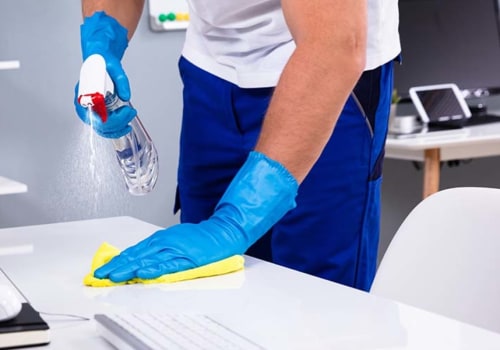
The commercial cleaning industry has emerged as a vital component of the modern business landscape, driven by an increasing awareness of hygiene and cleanliness in various sectors. As businesses strive to create a welcoming and professional environment for both employees and clients, the demand for reliable cleaning services has surged. This trend is not merely a response to aesthetic preferences; it is rooted in the understanding that a clean workspace significantly enhances productivity, employee morale, and overall business reputation.In recent years, the significance of cleaning business investment has become more pronounced. Companies across diverse industries, from healthcare to hospitality, are recognising the necessity of maintaining pristine facilities.
This growing demand presents a lucrative opportunity for entrepreneurs looking to enter the market. With relatively low startup costs and minimal overhead, starting a cleaning business can be an accessible venture for many. Moreover, the flexibility of service offerings—from routine office cleaning to specialised deep cleaning—allows business owners to tailor their services to meet specific client needs.The profitability of cleaning services is further bolstered by the recurring nature of contracts in this sector. Many businesses opt for regular cleaning schedules, ensuring a steady stream of income for cleaning companies.
Additionally, as health and safety regulations become more stringent, the need for professional cleaning services is likely to grow even further. This creates an environment ripe for investment, where savvy entrepreneurs can capitalise on the increasing reliance on professional cleaning solutions.As we delve deeper into the commercial cleaning industry, it becomes clear that this sector not only offers financial rewards but also provides meaningful work that contributes positively to communities. By investing in a cleaning business, you are not just entering a profitable market; you are also playing a crucial role in enhancing public health and well-being.
Understanding the Demand for Commercial Cleaning Services
The demand for commercial cleaning services remains robust, regardless of the economic climate. Businesses, whether thriving or struggling, recognise the importance of maintaining a clean and hygienic environment.This consistent need creates a stable market for cleaning services, making it an attractive investment opportunity.One of the primary reasons businesses opt for professional cleaning services is to uphold their reputation. A clean workspace not only enhances the aesthetic appeal of an office but also reflects the professionalism and values of the company. Clients and customers are more likely to trust a business that prioritises cleanliness, which can lead to increased customer retention and satisfaction.Moreover, many companies are now aware of the health implications associated with poor hygiene. Regular cleaning helps to reduce the spread of germs and allergens, creating a safer environment for employees and visitors alike.
In light of recent global health concerns, this aspect has become even more critical, prompting businesses to invest in reliable cleaning services.Another factor contributing to the demand for commercial cleaning is the increasing complexity of workplace environments. Many modern offices feature intricate layouts, specialised equipment, and various materials that require specific cleaning techniques. Professional cleaning companies possess the expertise and tools necessary to handle these unique challenges effectively.Additionally, outsourcing cleaning tasks allows businesses to focus on their core operations. By hiring a commercial cleaning service, companies can allocate their resources more efficiently, ensuring that their staff can concentrate on their primary responsibilities rather than spending time on maintenance tasks.The stability of the commercial cleaning market is further reinforced by its adaptability.
Cleaning companies can tailor their services to meet the specific needs of different industries, from healthcare facilities requiring stringent sanitation protocols to retail spaces needing regular upkeep to attract customers. This versatility ensures that there is always a demand for cleaning services across various sectors.In conclusion, the demand for commercial cleaning services is driven by several factors including the need for professionalism, health considerations, workplace complexity, and operational efficiency. As businesses continue to prioritise cleanliness and hygiene, investing in a commercial cleaning venture presents a promising opportunity for profitability and growth.
Low Overhead and High Profit Margins
One of the most compelling reasons to consider starting a cleaning business is the low overhead associated with it. Unlike many other industries that require significant capital investment in equipment, inventory, or real estate, a cleaning business can be launched with minimal financial outlay.This aspect makes it particularly attractive for aspiring entrepreneurs looking to enter the market without incurring substantial debt.The initial costs of starting a cleaning business typically include basic cleaning supplies, transportation, and marketing materials. For instance, essential items such as mops, brooms, vacuum cleaners, and eco-friendly cleaning solutions can be acquired at a relatively low cost. Additionally, many cleaning businesses operate from home, eliminating the need for expensive office space and utilities.Moreover, the profit margins in cleaning services are notably high. Once you establish a client base, the recurring nature of cleaning contracts can lead to consistent revenue streams.
Many commercial clients prefer to engage cleaning services on a contractual basis, ensuring that you have predictable income each month. This stability allows for better financial planning and growth opportunities.To further enhance profitability, consider adopting a cost-effective business model. For example:
- Specialisation: Focusing on niche markets such as post-construction cleaning or eco-friendly services can set your business apart from competitors and allow you to charge premium rates.
- Efficient Scheduling: Utilising scheduling software can optimise your workforce's time and reduce downtime between jobs, maximising productivity.
- Employee Training: Investing in training for your staff can lead to higher quality service and customer satisfaction, resulting in repeat business and referrals.
Diverse Opportunities Within the Cleaning Sector
The cleaning industry is remarkably diverse, offering a wide array of services that cater to different needs and environments.Understanding the various types of cleaning services available can help you identify lucrative opportunities and tailor your business model accordingly.
- Residential Cleaning: This is perhaps the most familiar type of cleaning service, focusing on homes and private residences. Services can range from regular housekeeping to deep cleaning, move-in/move-out cleaning, and post-renovation clean-ups. With busy lifestyles becoming the norm, many homeowners are willing to invest in professional cleaning services to maintain their living spaces.
- Commercial Cleaning: This sector involves cleaning offices, retail spaces, and other commercial establishments. Regular maintenance is crucial for businesses to create a welcoming environment for clients and employees alike.
Services may include daily janitorial work, carpet cleaning, window washing, and sanitisation services, especially in light of recent health concerns.
- Industrial Cleaning: This niche focuses on cleaning large facilities such as factories, warehouses, and manufacturing plants. It often requires specialised equipment and training due to the presence of hazardous materials or complex machinery. Industrial cleaning can be highly profitable due to the scale of operations and the need for compliance with safety regulations.
- Specialised Cleaning Services: Within the cleaning sector, there are numerous niche markets that can be explored. These include services like carpet and upholstery cleaning, window cleaning, pressure washing, and even ventilation system cleaning.
Each of these niches requires specific skills and equipment but can yield high returns due to less competition.
By understanding the different types of services available and exploring niche markets, you can position your business for growth and profitability in an ever-evolving industry.
Building Trust and Credibility with Clients
Establishing trust and credibility with clients is paramount in the cleaning industry, particularly in the realm of commercial cleaning. Businesses are often hesitant to hire external services due to concerns about reliability, quality, and security. Therefore, as a cleaning business owner, it is essential to implement strategies that foster trust and build long-lasting relationships with your clients.One of the most effective ways to build trust is through obtaining relevant certifications. Certifications not only demonstrate your commitment to maintaining high standards but also reassure clients that you possess the necessary skills and knowledge to perform the job effectively.For instance, certifications from recognised organisations can validate your expertise in areas such as health and safety, environmentally friendly cleaning practices, and specialised cleaning techniques. This can significantly enhance your reputation and make your services more appealing to potential clients.In addition to certifications, providing consistent quality service is crucial. Clients need to feel confident that they can rely on you for regular cleaning schedules without compromising on quality. Implementing a robust quality control system can help ensure that every job meets or exceeds client expectations.
Regular feedback from clients can also be invaluable; it not only shows that you value their opinion but also allows you to make necessary adjustments to improve your service.Building strong client relationships goes beyond just delivering a service. It involves effective communication and understanding client needs. Regular check-ins, personalised service offerings, and being responsive to queries or concerns can significantly enhance client satisfaction. When clients feel valued and understood, they are more likely to remain loyal and recommend your services to others.Moreover, leveraging testimonials and case studies can further establish credibility.
Positive reviews from satisfied clients serve as powerful endorsements of your services. Displaying these testimonials on your website or marketing materials can help potential clients feel more secure in their decision to choose your cleaning business.In conclusion, building trust and credibility in the commercial cleaning sector is a multifaceted approach that involves obtaining certifications, delivering consistent quality service, maintaining open communication, and showcasing client satisfaction. By prioritising these elements, you not only enhance your brand's reputation but also pave the way for repeat business and valuable referrals.
Utilising Technology in Your Cleaning Business
In the modern cleaning industry, leveraging technology is no longer optional; it is essential for streamlining operations and enhancing overall efficiency. The right cleaning business software can transform how you manage your cleaning services, from scheduling to invoicing and customer relationship management.One of the primary advantages of using technology in your cleaning business is the ability to automate scheduling.With dedicated software, you can easily assign tasks to your team based on their availability and expertise. This not only saves time but also ensures that your clients receive consistent service. Many software solutions offer features such as calendar integration, which allows you to sync appointments with your personal or business calendar, reducing the risk of double bookings.Invoicing can also be streamlined through technology. Traditional methods often involve manual calculations and paperwork, which can lead to errors and delays in payment.
By using invoicing software, you can generate professional invoices quickly and accurately. These tools often include features for tracking payments, sending reminders for overdue invoices, and even accepting online payments, making it easier for clients to settle their bills promptly.Customer management is another area where technology shines. A robust customer relationship management (CRM) system allows you to keep track of client preferences, service history, and feedback. This information is invaluable for tailoring your services to meet specific client needs and improving customer satisfaction.
Additionally, many CRM systems enable you to send automated follow-up emails or surveys after a service has been completed, helping you gather insights that can inform future improvements.Moreover, technology can enhance communication within your team. Mobile applications designed for cleaning businesses allow staff to receive real-time updates about their schedules and tasks while on the go. This ensures that everyone is on the same page and can respond quickly to any changes or client requests.Investing in technology not only improves operational efficiency but also positions your cleaning business as a modern and professional service provider. Clients are increasingly looking for businesses that utilise technology effectively, as it often translates to better service delivery and reliability.In conclusion, integrating technology in the cleaning industry is a strategic move that can significantly enhance your operational capabilities.
From scheduling and invoicing to customer management and team communication, the right software solutions can help you run a more efficient and profitable cleaning business.
Marketing Your Cleaning Business Effectively
To thrive in the competitive landscape of the cleaning industry, it is essential to implement effective marketing strategies that resonate with potential clients. A well-rounded approach that combines both online and offline tactics can significantly enhance your visibility and attract a steady stream of customers.Establishing a Strong Online Presence
In today’s digital age, having a robust online presence is crucial for any cleaning business. Start by creating a professional website that showcases your services, pricing, and customer testimonials. Ensure that your website is user-friendly and optimised for search engines (SEO) to improve your visibility in local search results.
Consider including a blog section where you can share cleaning tips, industry news, and updates about your services. This not only positions you as an expert in the field but also helps in driving organic traffic to your site.
Utilising Social Media
Social media platforms such as Facebook, Instagram, and LinkedIn are powerful tools for marketing your cleaning business. Create engaging content that highlights your services, shares before-and-after photos of your work, and offers cleaning tips. Regularly interact with your audience by responding to comments and messages promptly.
Running targeted ads on these platforms can also help you reach specific demographics in your local area.
Local Marketing Strategies
While online marketing is vital, don’t underestimate the power of local marketing strategies. Networking within your community can lead to valuable referrals. Attend local business events or join community groups to connect with potential clients. Distributing flyers or brochures in residential areas or placing ads in local newspapers can also be effective ways to promote your services.
Leveraging Online Reviews
Encourage satisfied customers to leave positive reviews on platforms like Google My Business, Yelp, or Facebook.
Positive reviews not only enhance your credibility but also influence potential clients' decisions when choosing a cleaning service. Responding to reviews—both positive and negative—demonstrates your commitment to customer satisfaction and can help build trust with prospective clients.
Offering Promotions and Discounts
Attracting new clients can sometimes require an incentive. Consider offering introductory discounts or referral bonuses for existing customers who bring in new clients. These promotions can create buzz around your services and encourage word-of-mouth marketing.By implementing these marketing strategies tailored specifically for the cleaning industry, you can effectively attract clients and establish a strong foothold in the market.
Remember that consistency is key; regularly evaluate and adjust your marketing efforts based on what works best for your business.
Legal Considerations When Starting a Cleaning Business
Starting a cleaning business involves navigating a variety of legal considerations to ensure compliance and avoid potential legal issues. Understanding the necessary permits and licenses is crucial for establishing a legitimate operation.First and foremost, it is essential to research the specific legal requirements in your area. Different regions may have varying regulations regarding cleaning services. Generally, you will need to register your business with the appropriate local or national authorities.This often includes choosing a business structure, such as a sole proprietorship, partnership, or limited company, each of which has its own legal implications.
Permits and Licenses
- Business License: Most local governments require a general business license to operate legally. This license ensures that your business complies with local laws and regulations.
- Specialty Licenses: Depending on the services you offer, you may need additional licenses. For instance, if you plan to use certain chemicals or equipment, specific permits may be required.
- Insurance: While not a license, obtaining liability insurance is highly recommended. This protects your business from potential lawsuits arising from accidents or damages that occur during cleaning operations.
Compliance in the Cleaning Industry
Compliance is not just about having the right paperwork; it also involves adhering to industry standards and regulations.
This includes:
- Health and Safety Regulations: Ensure that your cleaning practices meet health and safety standards to protect both your employees and clients. This may involve training staff on safe handling of cleaning products and equipment.
- Environmental Regulations: If your cleaning services involve the use of chemicals, be aware of environmental regulations regarding their disposal and usage. Opting for eco-friendly products can also enhance your brand's reputation.
- Employee Rights: If you hire staff, familiarize yourself with employment laws, including minimum wage requirements, working hours, and employee rights.
Challenges in the Cleaning Industry and How to Overcome Them
Entering the commercial cleaning industry can be a rewarding venture, but it is not without its challenges.Understanding these obstacles and developing strategies to overcome them is crucial for success.
1.Competition
The cleaning industry is saturated with numerous players, from small local businesses to large franchises. This competition can make it difficult for new entrants to establish a foothold. To stand out, consider the following:
- Specialisation: Focus on a niche market, such as eco-friendly cleaning or post-construction clean-up, to differentiate your services.
- Quality Service: Ensure that your cleaning standards are consistently high. Satisfied customers are likely to recommend your services and provide repeat business.
- Branding: Develop a strong brand identity that resonates with your target audience.
This includes a professional logo, website, and marketing materials.
2.Employee Retention
High turnover rates are common in the cleaning industry, which can disrupt service quality and increase training costs. To improve employee retention:
- Offer Competitive Wages: Ensure that your pay rates are competitive within the industry to attract and retain talent.
- Provide Training: Invest in training programs that enhance skills and promote career advancement opportunities.
- Create a Positive Work Environment: Foster a culture of respect and recognition to motivate employees and reduce turnover.
3.Managing Client Expectations
Clients often have specific expectations regarding cleanliness and service delivery. Miscommunication can lead to dissatisfaction. To manage expectations effectively:
- Clear Communication: Discuss the scope of work in detail before starting any job.
Ensure clients understand what services will be provided.
- Regular Feedback: Encourage clients to provide feedback on your services, allowing you to address any concerns promptly.
- Set Realistic Timelines: Be honest about how long tasks will take, considering factors like size and condition of the space.
4.Compliance with Regulations
The cleaning industry is subject to various regulations regarding health and safety standards. Staying compliant can be challenging but is essential for legal operation:
- Stay Informed: Regularly update yourself on local regulations and industry standards related to cleaning practices.
- Training on Safety Protocols: Ensure all employees are trained in safety procedures and understand the importance of compliance.
Conclusion: The Future of Your Cleaning Business Investment
In conclusion, embarking on a journey to establish a commercial cleaning business is not merely a venture; it is a strategic investment with the potential for substantial returns. Throughout this article, we have explored the myriad reasons why this industry stands out as a lucrative opportunity.Firstly, the consistent demand for cleaning services across various sectors ensures that your business will have a steady stream of clients. Whether in times of economic prosperity or downturn, businesses require cleanliness to maintain their operations and uphold their reputations.This inherent stability makes the commercial cleaning sector an attractive option for aspiring entrepreneurs.Moreover, the low overhead costs associated with starting a cleaning business allow for greater flexibility and profitability. Unlike many other industries that require significant capital investment in equipment or inventory, a cleaning business can be initiated with minimal financial outlay. This accessibility opens doors for individuals from diverse backgrounds to enter the market.Additionally, the potential for growth within the commercial cleaning sector is vast. As you establish your brand and reputation, opportunities to expand your services—such as offering specialised cleaning solutions or targeting niche markets—will arise.
This adaptability not only enhances your service portfolio but also increases your revenue streams.Furthermore, investing in technology, such as business cleaning software , can streamline operations and improve customer satisfaction. By automating scheduling, invoicing, and communication, you can focus more on delivering exceptional service rather than getting bogged down in administrative tasks.Ultimately, starting a commercial cleaning business is more than just a means to earn income; it is an opportunity to make a positive impact on your community by providing essential services that enhance the quality of life for your clients. As you consider entering this dynamic market, remember that with dedication, strategic planning, and a commitment to excellence, your cleaning business can thrive and evolve into a successful enterprise.In summary, the future of your investment in a commercial cleaning business looks promising. With the right approach and mindset, you can build a sustainable and profitable venture that not only meets market demands but also enriches your life and those of your customers.