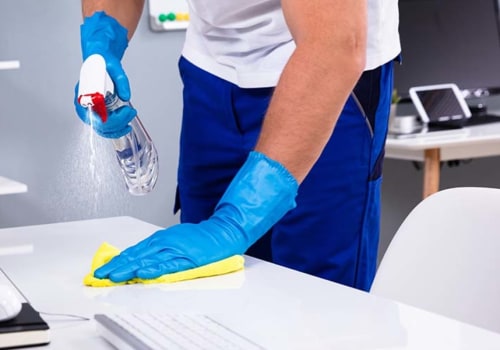
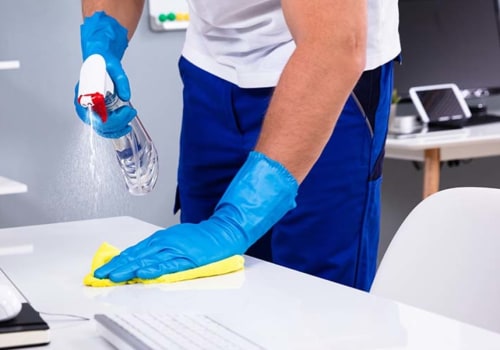
The commercial cleaning industry has emerged as a vital component of the modern economy, driven by the increasing demand for cleanliness and hygiene in various sectors. As businesses strive to maintain a safe and welcoming environment for employees and customers alike, the need for professional cleaning services has never been more pronounced. This growing awareness of cleanliness, particularly in the wake of global health crises, has opened up lucrative opportunities for entrepreneurs looking to establish a cleaning business .With a market that is projected to expand significantly over the coming years, the commercial cleaning sector offers a promising avenue for those seeking to build wealth. The industry encompasses a wide range of services, from office cleaning and janitorial services to specialised cleaning for healthcare facilities and industrial sites.
This diversity not only allows for multiple revenue streams but also enables business owners to tailor their offerings to meet specific client needs, thereby enhancing customer satisfaction and loyalty.Moreover, entering the commercial cleaning market requires relatively low initial investment compared to other business ventures. This accessibility makes it an attractive option for aspiring entrepreneurs who may not have extensive capital or experience. By leveraging effective marketing strategies and focusing on delivering exceptional service, it is entirely feasible to scale operations and increase profitability over time. As you delve deeper into this article, you will discover how a well-managed cleaning business can not only provide a steady income but also pave the way towards substantial financial success.
Understanding the Commercial Cleaning Market
The commercial cleaning market has seen significant growth in recent years, driven by various factors including increased awareness of hygiene, the rise of outsourcing, and the expansion of the service sector.Understanding the current state of this market is essential for anyone considering entering the industry.According to recent industry statistics, the global commercial cleaning services market was valued at approximately £50 billion in 2022 and is projected to grow at a compound annual growth rate (CAGR) of around 6% over the next five years. This growth is largely attributed to the increasing demand for professional cleaning services across various sectors such as healthcare, education, and corporate offices.One of the key trends influencing the commercial cleaning industry is the heightened focus on cleanliness and sanitation, particularly in light of recent global health crises. Businesses are now more aware than ever of the importance of maintaining a clean environment to ensure the health and safety of their employees and customers. This has led to an uptick in demand for specialized cleaning services that go beyond traditional janitorial tasks.Moreover, technological advancements are reshaping how cleaning services are delivered.
The integration of automation and smart cleaning solutions is becoming increasingly common, allowing companies to enhance efficiency and reduce operational costs. For instance, the use of robotic cleaners and advanced cleaning equipment can significantly improve service delivery while also appealing to environmentally conscious clients.Another notable trend is the shift towards green cleaning practices. Many businesses are now prioritising sustainability by opting for eco-friendly cleaning products and methods. This not only helps in reducing their carbon footprint but also attracts clients who value environmental responsibility.In terms of growth potential, the commercial cleaning sector offers numerous opportunities for aspiring entrepreneurs.
With a relatively low barrier to entry, individuals can start their own cleaning business with minimal investment. Additionally, as more companies recognise the benefits of outsourcing their cleaning needs, there is a growing market for reliable and professional cleaning services.In conclusion, understanding the dynamics of the commercial cleaning market is crucial for anyone looking to establish a successful business in this field. With robust growth projections and evolving industry trends, there has never been a better time to consider entering this lucrative market.
Key Factors for Success in a Cleaning Business
Establishing a successful cleaning business requires a multifaceted approach that encompasses effective management practices, operational efficiency, and exceptional customer service. Here are some key factors that can significantly influence your success in the commercial cleaning sector:- Effective Management Practices: A well-structured management system is crucial for the smooth operation of your cleaning business.
This includes setting clear goals, defining roles and responsibilities, and implementing standard operating procedures (SOPs). Regular training sessions for your staff can enhance their skills and ensure consistency in service delivery.
- Operational Efficiency: Streamlining your operations can lead to significant cost savings and improved service quality. Invest in technology that automates scheduling, invoicing, and customer communication. This not only saves time but also reduces the likelihood of errors.
Additionally, regularly reviewing your supply chain for cleaning products can help you find more cost-effective options without compromising quality.
- Customer Service Excellence: In the cleaning industry, customer satisfaction is paramount. Building strong relationships with clients can lead to repeat business and referrals. Always be responsive to customer inquiries and feedback. Implementing a customer relationship management (CRM) system can help you track interactions and tailor your services to meet client needs.
- Marketing Strategies: To attract new clients, develop a robust marketing strategy that highlights your unique selling propositions (USPs).
Utilize online platforms such as social media and local business directories to increase visibility. Consider offering promotions or discounts for first-time customers to encourage them to try your services.
- Quality Control Measures: Establishing a system for quality control is essential to maintain high standards. Regularly inspect the work completed by your team and solicit feedback from clients to identify areas for improvement. This proactive approach not only enhances service quality but also builds trust with your customers.
Financial Considerations: Costs and Revenue Potential
When considering the financial landscape of a cleaning business, it is crucial to understand both the initial costs and the potential revenue streams.This knowledge will empower you to make informed decisions that can significantly impact your profitability.
Startup Costs
- Equipment and Supplies: The initial investment in cleaning equipment can vary widely based on the services you plan to offer. Basic supplies such as mops, brooms, vacuum cleaners, and cleaning agents can cost anywhere from £500 to £2,000. For more specialised services, such as carpet cleaning or window washing, additional equipment may be necessary.
- Licensing and Insurance: Depending on your location, you may need specific licenses to operate legally. Additionally, obtaining liability insurance is essential to protect your business from potential claims.
Budgeting around £300 to £1,000 for these expenses is advisable.
- Marketing: To attract clients, you will need to invest in marketing strategies. This could include creating a website, social media advertising, or local print ads. Initial marketing costs can range from £200 to £1,500.
- Transportation: If your business requires travel to various locations, consider the costs associated with transportation. This includes fuel, vehicle maintenance, and possibly leasing or purchasing a vehicle.
Ongoing Expenses
- Salaries: If you plan to hire staff, wages will be one of your most significant ongoing expenses.
Ensure you factor in not just salaries but also taxes and benefits.
- Supplies Replenishment: Regularly restocking cleaning supplies is necessary for maintaining service quality. Allocate a monthly budget for this purpose.
- Marketing Maintenance: Continuous marketing efforts are vital for sustaining client acquisition. Set aside a monthly budget for ongoing advertising and promotions.
Revenue Potential
The revenue potential in the commercial cleaning sector is substantial. Many cleaning businesses report annual revenues ranging from £50,000 to over £1 million, depending on their scale and service offerings.
Factors influencing revenue include:
- Service Type: Specialised services often command higher rates than standard cleaning tasks.
- Client Base: Establishing contracts with commercial clients can provide steady income streams.
- Market Demand: Understanding local market needs can help tailor your services effectively.
Pricing Strategies
Setting competitive pricing is essential for attracting clients while ensuring profitability. Consider the following strategies:
- Cost-Plus Pricing: Calculate your total costs and add a markup percentage to determine your service rates.
- Market-Based Pricing: Research competitors’ pricing structures to ensure your rates are competitive yet profitable.
- Value-Based Pricing: If you offer unique services or exceptional quality, consider pricing based on the value provided rather than just costs.
Marketing Your Cleaning Business Effectively
Marketing your cleaning business effectively is crucial for attracting new clients and retaining existing ones. In a competitive market, having a well-rounded marketing strategy can set you apart from the competition. Here are some effective strategies to consider:1.Build a Strong Online Presence
In today’s digital age, having a robust online presence is essential.Start by creating a professional website that showcases your services, pricing, and customer testimonials. Ensure that your website is optimised for search engines (SEO) to increase visibility. Use relevant keywords such as commercial cleaning and cleaning services throughout your site to attract organic traffic.
2.Leverage Social Media
Social media platforms like Facebook, Instagram, and LinkedIn can be powerful tools for marketing your cleaning business. Share engaging content, such as before-and-after photos of your work, cleaning tips, and customer reviews.Consider running targeted ads to reach specific demographics in your area.
3.Utilize Local SEO
Optimising for local search is vital for service-based businesses like cleaning companies. Register your business on Google My Business to appear in local search results and maps. Encourage satisfied customers to leave positive reviews, as these can significantly influence potential clients' decisions.4.Network and Build Partnerships
Networking with other local businesses can lead to valuable partnerships. For instance, collaborating with real estate agents or property managers can provide a steady stream of referrals.Attend local business events or join community groups to expand your network.
5.Offer Promotions and Discounts
Attract new customers by offering promotions or discounts for first-time clients or referral bonuses for existing customers who bring in new business. This not only incentivises new clients but also encourages word-of-mouth marketing.6.Invest in Traditional Advertising
While digital marketing is essential, don’t overlook traditional advertising methods. Distributing flyers in local neighbourhoods, placing ads in community newspapers, or sponsoring local events can help raise awareness of your cleaning services.By implementing these marketing strategies, you can effectively promote your cleaning business, attract new clients, and ultimately increase your revenue. Remember that consistency is key; regularly evaluate and adjust your marketing efforts based on what works best for your target audience.The Role of Technology in Commercial Cleaning
In the ever-evolving landscape of the cleaning industry, technology plays a pivotal role in enhancing operational efficiency and streamlining processes.For commercial cleaning businesses, leveraging the right technological tools can significantly improve productivity, reduce costs, and ultimately lead to greater profitability.One of the most impactful advancements in this sector is the use of software solutions. These platforms can assist with various aspects of business management, including:
- Scheduling: Automated scheduling tools allow cleaning companies to efficiently allocate staff to different jobs based on availability and skill set. This not only optimises workforce management but also ensures that clients receive timely services.
- Invoicing: Streamlined invoicing software simplifies the billing process, enabling businesses to generate invoices quickly and accurately. This reduces administrative burdens and helps maintain cash flow.
- Customer Management: Customer relationship management (CRM) systems help cleaning businesses track client interactions, preferences, and feedback.
This data can be invaluable for tailoring services to meet specific client needs and enhancing customer satisfaction.
For example, tracking the time taken for specific tasks can highlight inefficiencies and lead to better training or resource allocation.In conclusion, embracing technology in commercial cleaning is not merely an option; it is a necessity for those looking to thrive in a competitive market. By investing in efficiency tools, cleaning businesses can enhance their service delivery, improve client relationships, and ultimately pave the way for increased profitability.
Challenges Faced by Cleaning Business Owners
Starting a cleaning business can be a lucrative venture, but it is not without its challenges. Understanding these obstacles is crucial for any entrepreneur looking to thrive in the commercial cleaning industry.1.Competition
The cleaning industry is highly competitive, with numerous players ranging from small local businesses to large franchises. This saturation can make it difficult for new entrants to establish a foothold.
To overcome this challenge, it is essential to identify your unique selling proposition (USP). What sets your services apart? Whether it’s eco-friendly products, exceptional customer service, or specialised cleaning techniques, highlighting your USP can help attract clients.
2.Client Retention
Acquiring new clients is only half the battle; retaining them is equally important. Many cleaning businesses struggle with high turnover rates among clients. To foster loyalty, focus on building strong relationships through consistent communication and quality service.
Implementing a feedback system can also help you understand client needs and improve your offerings.
3.Managing Finances
Financial management poses another significant challenge for cleaning business owners. Many underestimate the costs involved in running their operations, from supplies to employee wages. To mitigate this risk, create a detailed budget that accounts for all expenses and regularly review your financial performance. Consider using accounting software to streamline this process and ensure you stay on top of your finances.
4.Employee Management
Finding and retaining reliable staff can be particularly challenging in the cleaning sector, where turnover rates are often high.
Investing in training and creating a positive work environment can help reduce attrition. Additionally, offering competitive wages and benefits can attract quality employees who are committed to your business.
5.Regulatory Compliance
The cleaning industry is subject to various regulations regarding health and safety standards, especially when dealing with commercial clients. Staying compliant can be daunting but is essential for avoiding legal issues. Regularly update yourself on relevant laws and consider consulting with a legal expert to ensure your business adheres to all necessary regulations.In conclusion, while the challenges faced by cleaning business owners are significant, they are not insurmountable.
By understanding these obstacles and implementing strategic solutions, you can position your cleaning business for long-term success in a competitive market.
Case Studies: Successful Commercial Cleaning Businesses
Understanding the journey of successful commercial cleaning businesses can provide invaluable insights for aspiring entrepreneurs. Here, we explore a few case studies that exemplify effective strategies and the lessons learned from their experiences.Case Study 1: CleanCo Solutions
Founded in 2010, CleanCo Solutions began as a small operation focusing on office cleaning in London. The founders identified a gap in the market for eco-friendly cleaning services. By using sustainable products and promoting their green credentials, they attracted a loyal customer base.Their strategy included:
- Targeted Marketing: They utilised social media platforms to showcase their eco-friendly practices, which resonated with environmentally conscious businesses.
- Customer Feedback: Regular surveys helped them adapt their services based on client needs, leading to higher satisfaction rates.
- Employee Training: Investing in staff training ensured high-quality service delivery, which resulted in numerous referrals.
Case Study 2: Sparkle & Shine Cleaning Services
Sparkle & Shine started as a family-run business in Manchester and has grown into a multi-million-pound enterprise. Their success can be attributed to:- Diverse Service Offerings: They expanded beyond standard cleaning to include specialised services such as carpet cleaning and post-construction clean-ups, catering to various client needs.
- Strong Networking: Building relationships with local businesses and participating in community events helped them gain visibility and trust.
- Technology Integration: Implementing scheduling software streamlined operations, allowing them to manage multiple contracts efficiently.
Lessons Learned
The journeys of these successful commercial cleaning businesses highlight several key takeaways for aspiring entrepreneurs:- Niche Identification: Finding a unique selling proposition can set your business apart from competitors.
- Customer Engagement: Actively seeking feedback and adapting services accordingly can enhance customer loyalty.
- Diversification: Offering a range of services can attract a broader clientele and increase revenue streams.
- Networking: Building strong relationships within the community can lead to valuable partnerships and referrals.
FAQs About Starting a Commercial Cleaning Business
Starting a commercial cleaning business can be a lucrative venture, but it also comes with its own set of challenges and questions. Here are some frequently asked questions that can help clarify common concerns for aspiring entrepreneurs in this industry.What are the initial costs of starting a commercial cleaning business?
The initial costs can vary significantly based on the scale of your operation. Generally, you should expect to invest in:- Equipment: This includes vacuum cleaners, mops, brooms, and other cleaning supplies.
- Licensing and insurance: Depending on your location, you may need specific licenses and liability insurance to operate legally.
- Marketing: Allocating funds for advertising and promotional materials is essential to attract clients.
- Transportation: If you plan to service multiple locations, reliable transportation is crucial.
How do I find clients for my cleaning business?
Finding clients can be one of the most challenging aspects of starting a commercial cleaning business.Here are some effective strategies:
- Networking: Attend local business events and join community groups to connect with potential clients.
- Online presence: Create a professional website and utilise social media platforms to showcase your services.
- Referrals: Encourage satisfied customers to refer your services to others, possibly offering discounts for successful referrals.
- Cold calling: Reach out directly to businesses in your area that may require cleaning services.
What services should I offer?
Your service offerings can significantly impact your success. Consider providing a range of services such as:- Office cleaning: Regular cleaning for corporate offices, including dusting, vacuuming, and sanitising surfaces.
- Carpet cleaning: Deep cleaning carpets using specialised equipment.
- Window washing: Offering both interior and exterior window cleaning services.
- Post-construction clean-up: Cleaning up after construction or renovation projects.
How do I price my services?
Pricing your services competitively while ensuring profitability is crucial. Research local competitors to understand their pricing structures. Consider factors such as:- The size of the area being cleaned
- The frequency of service (one-time vs.
recurring)
- The complexity of the tasks involved
Conclusion: Is a Commercial Cleaning Business Your Path to Wealth?
In summary, embarking on a journey to establish a commercial cleaning business can indeed pave the way to financial prosperity. Throughout this article, we have explored various facets of the cleaning industry, highlighting its potential for growth and profitability. The key takeaway is that with meticulous planning and strategic execution, you can transform a simple cleaning venture into a lucrative enterprise.One of the most compelling aspects of the commercial cleaning sector is its relatively low barrier to entry. Unlike many other industries, starting a cleaning business does not require extensive qualifications or significant capital investment.This accessibility allows aspiring entrepreneurs to dive into the market with confidence. However, it is crucial to approach this opportunity with a well-thought-out business plan that considers factors such as target audience, pricing strategies, and service offerings.Moreover, understanding your market and identifying your unique selling proposition (USP) can set you apart from competitors. By focusing on specific niches within the commercial cleaning realm—such as eco-friendly cleaning solutions or specialised services for healthcare facilities—you can attract a loyal customer base willing to pay premium prices for quality service.Additionally, leveraging technology and digital marketing can significantly enhance your visibility and customer acquisition efforts. Establishing an online presence through a professional website and engaging social media channels can help you reach potential clients effectively.
Furthermore, maintaining high standards of service and building strong relationships with clients will foster repeat business and referrals, which are vital for long-term success.Ultimately, the financial rewards of running a successful commercial cleaning business are substantial. As you gain experience and refine your operations, you will find opportunities to increase your pricing and expand your service offerings. The potential for scalability in this industry is immense; many successful cleaning businesses have grown from small operations into multi-million-pound enterprises.In conclusion, if you possess the drive, dedication, and strategic mindset necessary to navigate the challenges of the commercial cleaning industry, there is no reason why you cannot achieve significant wealth through this venture. With the right approach, your cleaning business could not only provide a comfortable living but also lead you towards financial independence.